
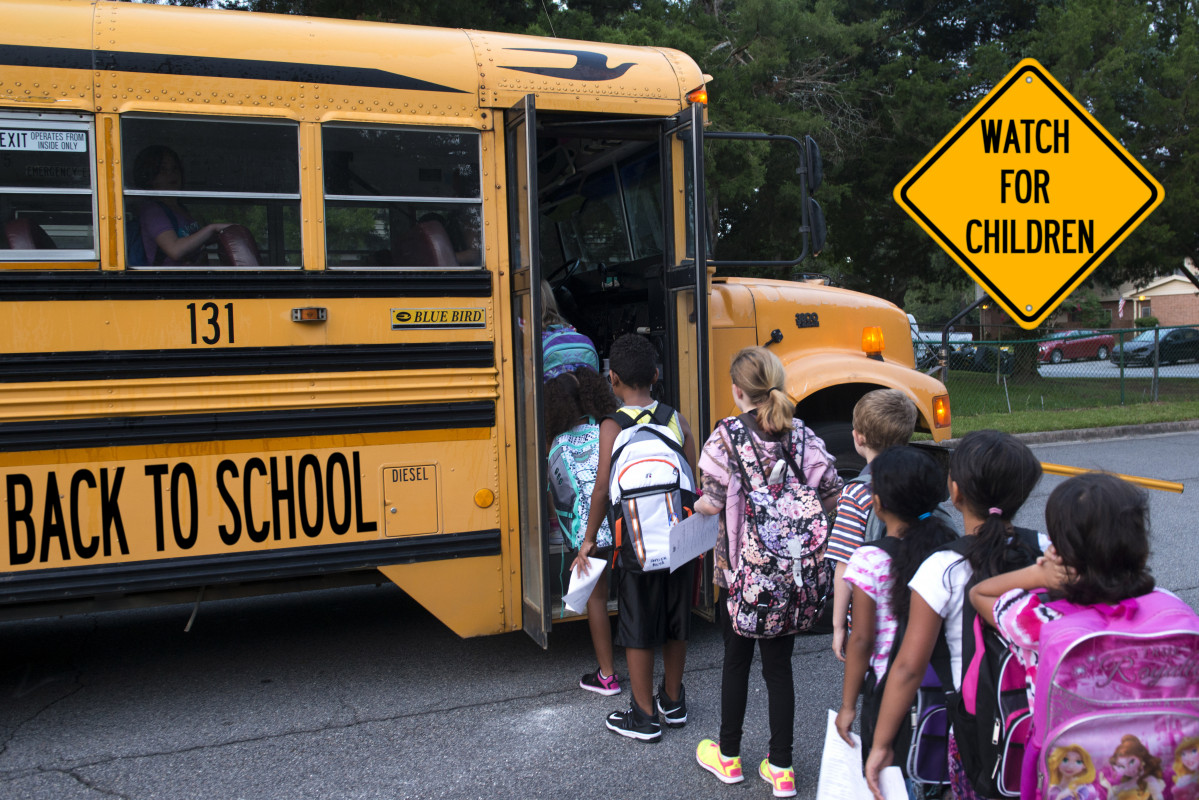
There are many ways we can get to school, like buses, biking, or walking. The choices we make can have different impacts on the environment.
Transportation is the second-largest emitter of greenhouse gases. But it is also important because transportation is the backbone of our society. It keeps people connected and our economies going.
So, what are people doing to make our transportation more sustainable?
Fuel-Efficient and Electric Cars
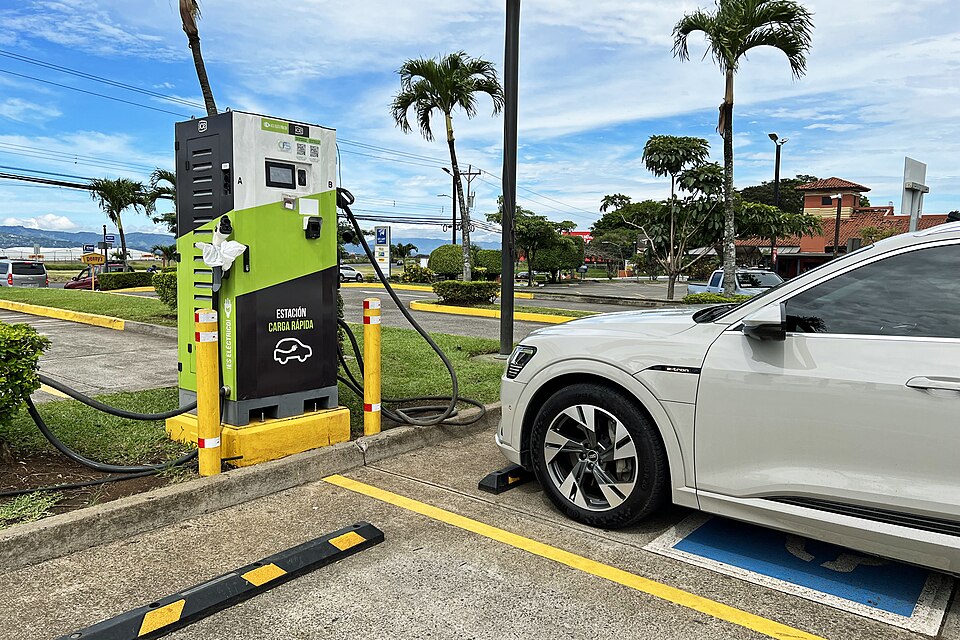
Fuel-efficient gasoline vehicles are already on the market today. Some cars automatically turn the engine off at stoplights, which saves energy when the car is not moving.
At the same time, the market for electric and hybrid vehicles is growing quickly!
Electric vehicles are equipped with a rechargeable battery that stores electricity. This electricity is used to power an electric motor, which turns the wheels.
Hybrid vehicles run on both gasoline and electricity. They have a smaller battery that gets charged when brakes are used and takes over during certain driving conditions.
Heavy Transportation
The transportation of commercial goods generates large amounts of greenhouse gases.
Using lightweight materials and fuel-efficient engines helps reduce emissions.
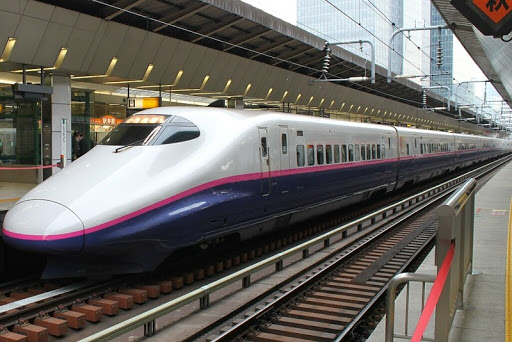
In Japan, the high-speed Shinkansen bullet train was redesigned to be more lightweight, aerodynamic, and energy-efficient. With these changes, the Shinkansen was able to reduce energy consumption by 40%!
Manufacturers can reduce their tires’ rolling resistance. This helps vehicles use less fuel and lowers emissions.
Air Travel

Flying uses fossil fuels and is a huge contributor to climate change. Airplanes produce 2.5% of global emissions each year.
There is another unusual way that air travel causes warming. Have you ever seen white streaks trailing behind a plane? These are called contrails. Contrails mix with clouds and the moisture in the atmosphere, trap radiation on Earth, and lead to warming.
A new study has shown that if 2% of planes flew lower, their impact on climate change could be reduced by more than half!
We can also redesign planes to use fuel more efficiently and have direct flight paths between destinations.
New types of sustainable fuels, such as biofuels, are also coming up as alternatives for ships and aviation fuel in planes.
Urban Planning
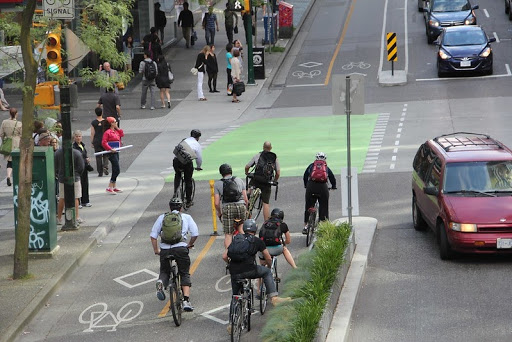
Urban planning can have a large impact on transportation emission rates.
More areas are being designed to have schools, homes, and workplaces close together. This encourages people to walk and bike from place to place.
Now, more cities are building pedestrian and bike-friendly infrastructure.
Finally, public transportation systems are growing quickly. This reduces the need to have your own car.
Next, let's look at the role manufacturing industries can play in reducing emissions!
Summary
- One of the most effective ways to reduce emissions from vehicles is to build fuel-efficient cars and electric vehicles.
- Cars, trains, and planes can be designed such that they are more aerodynamic and use light-weight materials to save energy.
- Cities should be designed to include more public transportation options, and walking and cycling lanes.
Every day, students get to school in different ways—some take the bus, while others bike or walk. There are several options when it comes to transportation, and these choices have different consequences on the environment.
Did you know that transportation is the second-largest source of greenhouse gas emissions? However, it is essential to our daily lives, linking people, goods, and services, and helping our economies function.
So, how can we reduce greenhouse emissions from transportation while staying connected? Let’s explore some solutions.
Fuel-Efficient and Electric Cars
The motor industry has made major advances in fuel efficiency, and many of these technologies are now standard in new cars.
For example, fuel-efficient cars save energy by shutting off the engine when the car is idle at stoplights or by deactivating some cylinders when cruising at steady speeds. Some engines also use direct fuel injection, which sprays gasoline straight into the engine, making the combustion process faster and more efficient.
At the same time, the popularity of electric and hybrid vehicles has grown rapidly around the world. Electric vehicles (EVs) run on rechargeable batteries that store electricity from the power grid. This electricity powers an electric motor, which drives the wheels.
Hybrid vehicles, on the other hand, use both gasoline and electricity. They have a smaller battery that recharges during braking, allowing the electric motor to take over from gasoline at certain times. This reduces fuel consumption and emissions.
Heavy Transportation
The transportation of commercial goods is a major source of emissions.
To help reduce this impact, manufacturers are being encouraged to design trucks, ships, and trains that are lighter or more fuel-efficient.
For example, the famous Shinkansen bullet train in Japan was redesigned to be lighter, more aerodynamic, and energy-efficient. These improvements helped the Shinkansen cut its energy use by nearly 40%.
Manufacturers are also working to reduce rolling resistance in tires. Rolling resistance is the friction between the tire and the road or rail track. Lowering this friction helps vehicles move more smoothly, saving fuel and reducing greenhouse gas emissions.
Air Travel
Air travel depends on fossil fuels and is a significant contributor to climate change, producing 2.5% of global emissions.
Even though airplanes today are more fuel-efficient than those of the past, the number of passengers and the amount of air freight have grown rapidly.
Airplanes also contribute to warming in a lesser-known way. You may have seen white streaks forming behind planes—these are called contrails. When contrails mix with clouds and moisture in the atmosphere, they can trap heat near Earth’s surface and increase warming.
Interestingly, recent studies show that if just 2% of flights (those most likely to create contrails) flew about 2,000 feet lower, their climate impact could drop by nearly 35%.
Designing more efficient aircraft and improving flight routes to further reduce fuel use and emissions.
Alternatives To Fossil Fuels
New types of sustainable fuels are also emerging as alternatives for ships and aviation fuel in planes.
- Biofuels are made from renewable biological materials such as corn, grasses, or algae.
- Synthetic fuels are created from water, renewable energy, and carbon dioxide that has been captured from the air.
Another promising technology is hydrogen fuel, although more infrastructure is needed before it becomes widespread. When hydrogen reacts with oxygen in a fuel cell, it generates electricity, only producing water as a byproduct.
Urban Planning
Urban planning can play an important role in reducing emissions from transportation, too.
When cities are designed so that schools, workplaces, stores, and homes are located close together, people are more likely to walk or bike instead of relying on cars.
Creating safe sidewalks, bike lanes, and pedestrian-friendly streets, along with providing reliable public transportation, can further reduce the need for private vehicles and help cut down on emissions.
Next, let’s explore how manufacturing industries can help reduce greenhouse gas emissions.