
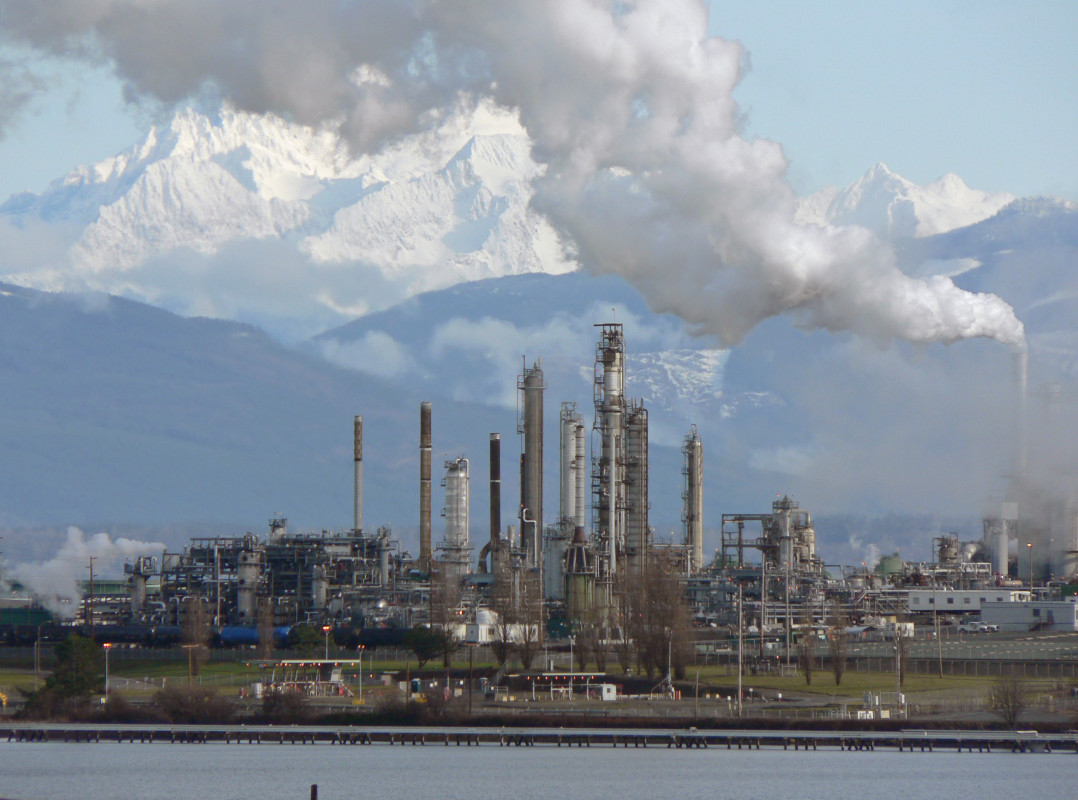
The manufacturing sector includes the production of goods and products. This includes cement and paper, to the food you eat and the clothes you wear.
In 2020, industries were responsible for 24.2% of global emissions.
Industries can reduce greenhouse gas emissions by 25% by updating old technology within factories.
It is predicted that emissions could be reduced by another 20% through new technological innovations.
Increasing Energy Efficiency
One of the biggest ways industries can reduce emissions is by using renewable energy sources to power factories.
They can also reduce waste emissions by processing gases and using technology that can capture and store carbon dioxide.
Another way to decrease emissions is to increase energy efficiency -- in other words, using less energy for the same work.
Machines can be designed so that they can be turned on and off automatically. This will ensure that they are consuming energy only when in use. Lastly, by doing regular inspections and using better insulation, energy leakage can be reduced.
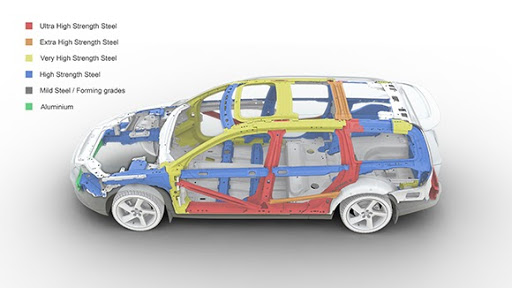
Efficiency can also be improved through product design. What if we could design a lightweight car that has the same function and quality?
Finally, products should be built so that they last for a long time and can be repaired.
Reduce, Reuse, & Recycle!

There are always ways that companies can improve manufacturing. They can use fewer resources to produce a product, or generate less waste.
Take the clothing industry, for example. To make a dress, we can reduce wasted fabric by rotating the dress pattern. This gives us more fabric to reuse.
Companies can reduce the amount of packaging needed for shipping their products.
The technology of 3D printing can be used to create an object using the exact amount of material needed. This avoids wastage.
Old materials can also be reused. Have you ever seen a product made out of recycled water bottles or boxes made of recycled cardboard?
Heat is created as waste during many of these industrial processes. Luckily, it can be reused! For example, in the paper industry, steam for pulp digestion and paper drying is generated from excess heat.
Industrial Complexes
Finally, industrial factories that are close to urban areas can reuse their emissions. In Northern Europe, exhaust heat produced by industries and landfills is used to supply heat to nearby homes and businesses.
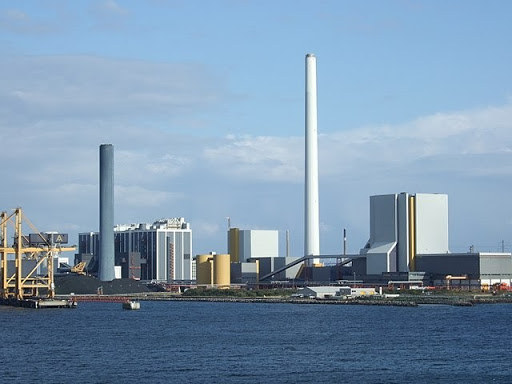
The Kalundborg Eco-Industrial Park in Denmark (Fig. 5.4.4) is an excellent example. This eco-industrial park created a partnership between 11 companies from different industries. These companies collaborate to reduce waste.
Their idea is: the waste from one company is a resource for another.
Finally, it is expensive to upgrade old industrial buildings. We need government policy and leaders who push for environmental innovation to help.
Next, let’s look at ways we can improve our buildings to make them more efficient.
Summary
- The industry sector includes the production of everything from cement and paper to food and the clothes you wear.
- Industries can reduce greenhouse emissions by improving their manufacturing processes and reducing and reusing materials.
- Industrial parks can be set up where several companies are located together, and the waste from one company can be a resource for another.
Manufacturing covers a wide range of industries—from producing cement, steel, paper, and plastics to making food, clothing, and other everyday products.
In 2020, the manufacturing sector accounted for 24.2% of greenhouse gas emissions.
The good news is that this sector can significantly reduce emissions. By updating older, less efficient technologies to meet modern standards, emissions could be cut by 25%. Adopting new, innovative technologies could reduce them by an additional 20%.
Increasing Energy Efficiency
One of the most effective ways for industries to reduce their emissions is by switching to renewable energy sources to power their operations (see the Energy Sector solutions).
Industries can also cut emissions by capturing and treating waste gases and by using new technologies such as carbon capture and storage, which prevents carbon dioxide from entering the atmosphere.
Another approach is improving energy efficiency, which means using less energy to produce the same amount of goods. For example, machines can be designed to turn on and off automatically so they only use power when needed. Factories can also prevent energy loss through better insulation and routine checks that identify leaks or malfunctioning equipment.
Efficiency can also be improved through better product design. For instance, engineers can design cars with lightweight materials that use less fuel. Researchers are also exploring alternatives to cement, a material that releases a lot of greenhouse gases during production.
Finally, industries can help reduce emissions by making products that last longer and are easier to repair. This reduces waste and conserves resources.
Reduce, Reuse, Recycle
Manufacturers can also lower emissions by reducing material waste and using fewer resources.
For example, clothing companies can rotate dress patterns in ways that minimize leftover fabric. Many businesses are now using less packaging when shipping products.
New technologies such as 3D printing use only the exact amount of material needed and dramatically reduce waste.
Industries can even reuse waste heat. In the paper industry, for instance, waste heat is captured and used to generate the steam needed for pulp digestion and paper drying.
Recycling also plays an important role in reducing emissions. You may have seen clothing made from recycled water bottles or packaging made from recycled cardboard. From 2018 to 2021, recycling across manufacturing industries grew by 200 million tons.
However, global recycling rates are still low, and recycled materials are often outpaced by the massive amount of new products being made every day. This makes mindful consumption and slower, more sustainable manufacturing essential for cutting waste and reducing emissions.
Industrial Complexes
In some regions, manufacturing industries are partnering with cities to find creative ways to reuse their emissions. In parts of Northern Europe, for example, the exhaust heat from factories and even landfills is captured and used to heat nearby homes and businesses.
An excellent example is the Kalundborg Eco-Industrial Park in Denmark. It is a partnership between eleven companies from different sectors, such as refineries, energy utilities, and bioenergy plants.
Since 1972, these companies have practiced a system called industrial symbiosis. Their idea is simple but powerful: the waste from one company becomes a useful resource for another!
Finally, governments can help by setting strong environmental standards and offering incentives to adopt cleaner, more efficient technologies. These investments not only reduce emissions but can also create new economic opportunities for companies and workers.
Next, let’s explore how we can make our buildings more energy-efficient.