
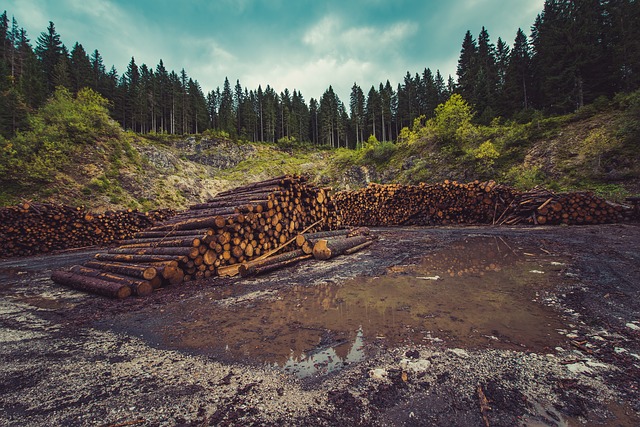
Did you know that our land acts as both a sink and a source of greenhouse gases?
Forests remove and store carbon dioxide from the atmosphere through the process of photosynthesis. Hence, forests are large carbon sinks.
Land can also act as a source of greenhouse gases. About 23% of greenhouse gas emissions come from agriculture, deforestation, and other land uses. In addition, 44% of methane is created by livestock farming, agriculture, and wetlands.
We must preserve or increase the land’s ability to absorb greenhouse gases. We also need to reduce greenhouse emissions. We can do both of these through sustainable land management practices.
Forest Management
One of the best solutions is to stop deforestation and plant more trees. This way, we will have more trees that can absorb carbon dioxide.
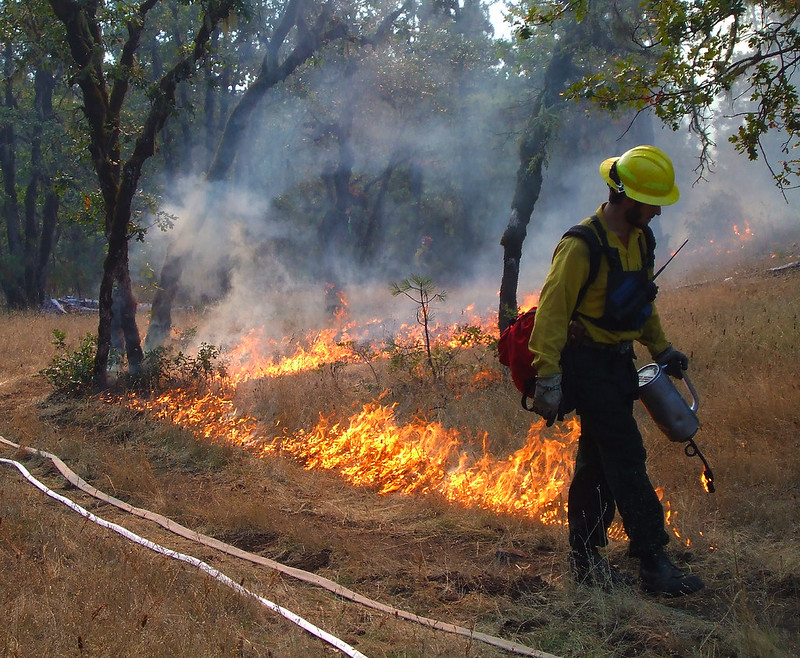
Sometimes, forests are set on fire in a controlled way by forest officials to clear dead and decaying vegetation. This removes dry material that can cause larger wildfires. However, uncontrolled fires that damage lives, property, and valuable forested land should be prevented.
We must reduce slash-and-burn agriculture, which is the practice of cutting down forests and burning the land to grow crops.
We should also protect our forest reserves. Reserves are areas set aside by the government where human activities like agriculture and timbering are not allowed.
Peatlands and Mangroves
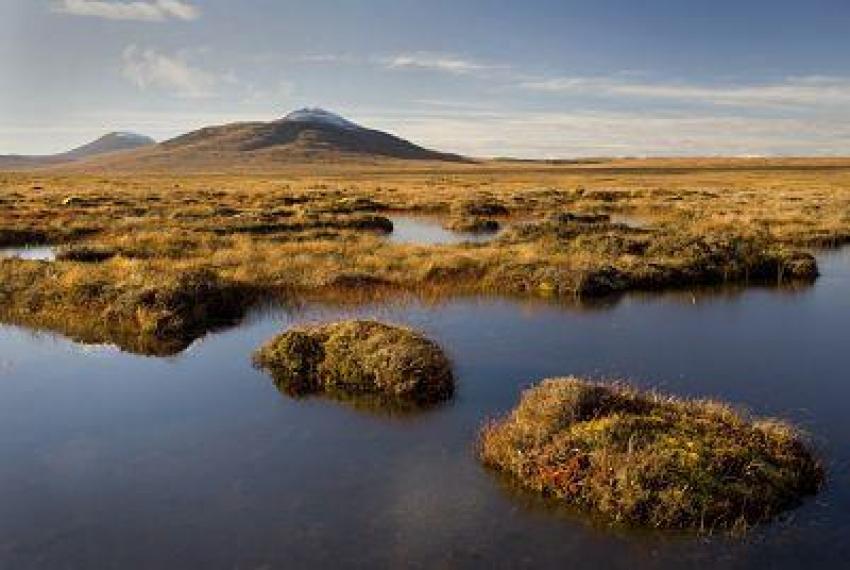
Did you know that peatlands can store up to two times as much carbon dioxide as forests?
Unfortunately, deforestation and agricultural land conversion are causing many peatlands to be drained. This releases large amounts of carbon dioxide into the atmosphere.
Mangrove forests are also excellent carbon sinks. This is because they grow in waterlogged soils and sediments carried by rivers. Their dense roots trap organic and inorganic material, which decay slowly and capture carbon in the soil.
Also, coastal mangrove forests slow down waves. They protect coastal areas from flooding and storm surges during hurricanes.
Human development has destroyed many mangrove forests. We must work actively to conserve peatlands and mangrove habitats!
The Agricultural Industry
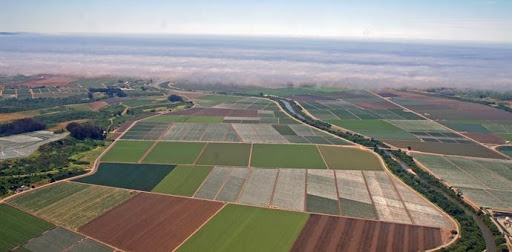
Agricultural lands, for example, release large amounts of greenhouse gases. They do so from farming activities and the use of resources, like electricity and machinery.
Farmers can adopt practices such as no-till farming that lower emissions. Tilling the soil increases soil erosion and releases carbon dioxide into the atmosphere. By practicing no-till farming, less carbon dioxide is released.
Another practice is crop rotation. This can improve soil health, reduce pests, and decrease greenhouse gas emissions. Farmers can harvest rainwater and use it for watering their crops. This can prevent desertification and overuse of groundwater.
Livestock Management
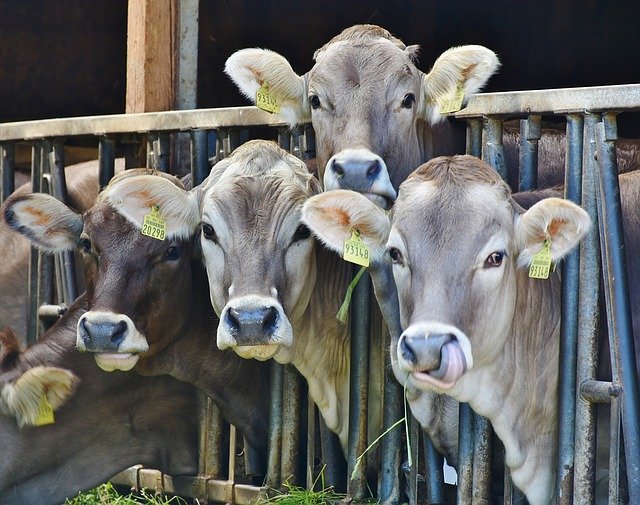
Livestock farming is yet another source of greenhouse emissions. Cattle produce methane when they burp or pass gas.
Producing feed for livestock, manure, and land use for grazing also releases emissions.
What can we do? Managing livestock and pastures can help reduce emissions. For example, a Swiss company created cattle feed that reduces the amount of methane from cows!
Farmers can also use animal manure and waste as fertilizer, which recycles nutrients. Farm waste can be converted to biofuel. This can supply some of the farm’s energy needs or be sold to others.
Next, let's look at how we can reduce emissions from the different kinds of transportation that we use each day!
Summary
- One of the most effective ways to sequester carbon is to conserve forests, peatlands, and mangroves.
- Agricultural practices such as rotating crops can help improve soil health and reduce carbon release.
- Managing cattle feed and grazing lands, as well as reusing cattle manure, can reduce greenhouse emissions.
Did you know that land can function both as a source and sink of greenhouse gases?
Forests play a vital role by absorbing carbon dioxide from the atmosphere through photosynthesis. This makes them the largest carbon sinks on land.
Land can also act as a source of greenhouse gases. Approximately 23% of greenhouse gas emissions come from agriculture, deforestation, and other land use practices. In addition, 44% of methane, a highly potent greenhouse gas, is created by livestock farming, agriculture, and wetlands.
To reduce emissions in this sector, we must find sustainable ways of managing land as well as enhance the land’s ability to absorb greenhouse gases. Let's examine a few approaches below.
Forest Management
One of the most important strategies in forest management is reducing deforestation and restoring areas that have been lost.
Another key tool is controlled burning, which helps clear dead and decaying vegetation in forests. This reduces the buildup of dry material that could cause larger, more destructive wildfires. However, uncontrolled fires that damage lives, property, and valuable forested land must be prevented.
It is also important to discourage practices such as slash-and-burn agriculture, whereby forests are cut and burned to create new farmlands. Furthermore, protecting forest reserves will be crucial for long-term conservation and for keeping our climate stable.
Peatlands and Mangroves
Peatlands are a type of wetland made up of a dense, waterlogged layer of plants that do not fully decompose. Over thousands of years, these layers turn into peat -- a thick, sponge-like soil that is rich in carbon.
Did you know that peatlands can store twice as much carbon dioxide as forests? This makes them a very important carbon sink.
However, many peatlands are being drained and converted to farmland. When they dry out, the stored carbon is released back into the atmosphere as carbon dioxide.
Mangrove forests are another important carbon sink, and store four times more carbon than typical forests. Mangroves grow in waterlogged soils and sediments carried by rivers. Their dense roots trap organic and inorganic materials that decompose slowly in low-oxygen conditions, thus locking carbon in the soil.
Mangroves also play a crucial role in protecting coastal areas from flooding and storm surges during hurricanes. This is because their root systems act as barriers that reduce the impact of waves.
Unfortunately, both peatlands and mangroves have been threatened by human activities such as logging and agriculture. These ecosystems must be conserved and restored.
The Agricultural Industry
Agricultural lands contribute to greenhouse gas emissions through farming activities and the use of resources such as electricity and machinery.
However, farmers can reduce their environmental impact by adopting more sustainable farming practices.
One example is no-till farming, which avoids turning or breaking the soil before planting. Traditional tilling weakens the soil structure, increases the risk of erosion, and releases carbon dioxide that is stored in the soil. No-till farming keeps the soil intact, improves soil health, and helps reduce emissions.
Another effective practice is crop rotation, where farmers plant different crops in sequence on the same land. This boosts soil fertility by helping the soil retain nutrients like carbon and nitrogen. It also helps control pests, since many pests cannot adapt to the changing crop types.
Finally, farmers can conserve water by using smart irrigation methods and rainwater harvesting. Rainwater harvesting is the practice of collecting and storing rainwater for later use. It provides an additional water supply for crops and helps prevent desertification and the overuse of groundwater.
Livestock Management
Livestock farming is another major source of greenhouse gas emissions. Cattle, in particular, produce methane when they burp or pass gas. This digestive process in cattle is called enteric fermentation.
Producing feed for livestock, managing manure, and using large areas of land for grazing are other sources of greenhouse gases.
Fortunately, improvements in livestock and pasture management can help reduce these emissions. For example, in 2018, a Swiss company developed a special cattle feed that makes digestion more efficient and reduces the amount of methane released by cows.
Farmers can also use animal manure as fertilizer, which helps recycle nutrients and reduces the need for chemical fertilizers. In addition, farm waste can be converted into biofuel, a renewable source of energy that can power the farm or be sold to generate extra income.
Next, let’s explore how we can reduce emissions from the many forms of transportation we use in our daily lives!