
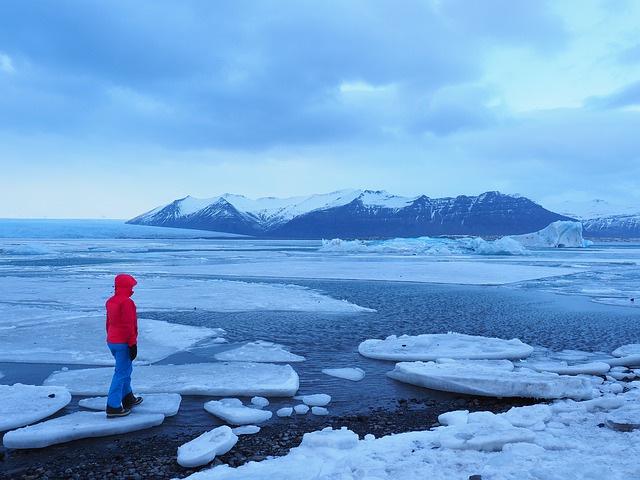
In August 2019, Greenland saw its biggest one-day melt. It was an unusually hot day that led to glaciers melting. That day, they released 12.5 billion tons of ice into the sea.
That is enough to fill 5 million Olympic-sized swimming pools!
What is causing glaciers to melt so fast? How will oceans and freshwater resources change in a warming world? Let’s find out!
Warming Arctic
It turns out the Arctic is warming 2-3 times faster than the rest of the planet.
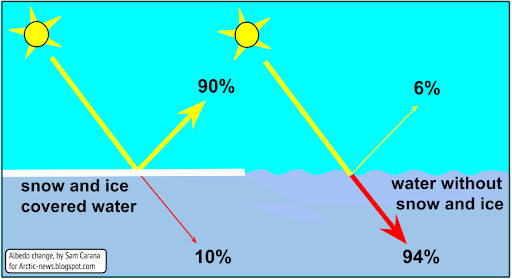
When ice melts, the bright, reflective surfaces are replaced by dark ocean waters. The dark waters absorb heat (as shown in Fig. 4.3.2). This means that with less ice, less sunlight is reflected back into space, which further warms the atmosphere.
Scientists call this "Arctic amplification." It is an example of positive climate feedback that speeds up warming.
Models show that by 2050, sea ice could disappear completely.
Permafrost Loss
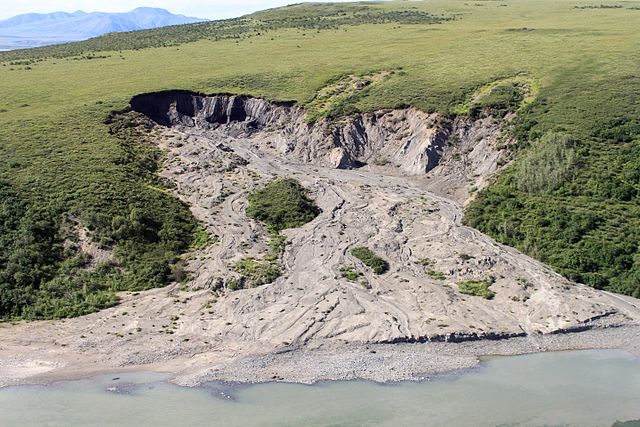
Did you know that in the Siberian tundra, homes are sinking, roads collapsing, and giant craters appearing in the landscape?
This is because warming temperatures cause permafrost to thaw. Scientists predict that a 2°C (3.6°F) temperature rise could cause 40% permafrost loss.
When permafrost thaws, it also releases trapped gases like carbon dioxide and methane into the atmosphere. This speeds up warming and is another example of positive climate feedback.
Changing Oceans
Oceans are a storehouse of heat and carbon. Until now, oceans have absorbed 90% of the excess heat from greenhouse gas emissions.
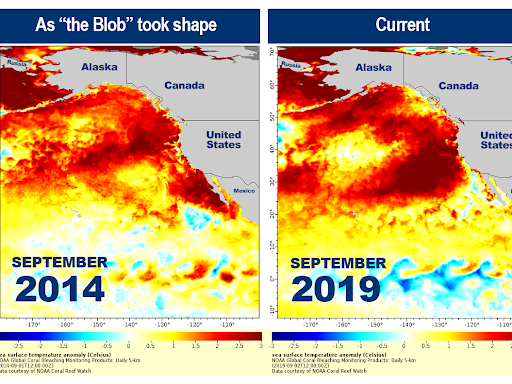
If the Earth's average temperature rises by 2°C (3.6°F) by 2100, oceans would have absorbed 2-4 times more heat than it has in the past. This could lead to more regular marine heatwaves, known as blobs.
Warmer waters hold less oxygen. This, along with the marine heatwaves, can harm plant and animal species that live in oceans.
In addition, as we add more carbon dioxide into the atmosphere, our oceans will continue to become more acidic.
Shifting ocean currents are another impact of climate change.
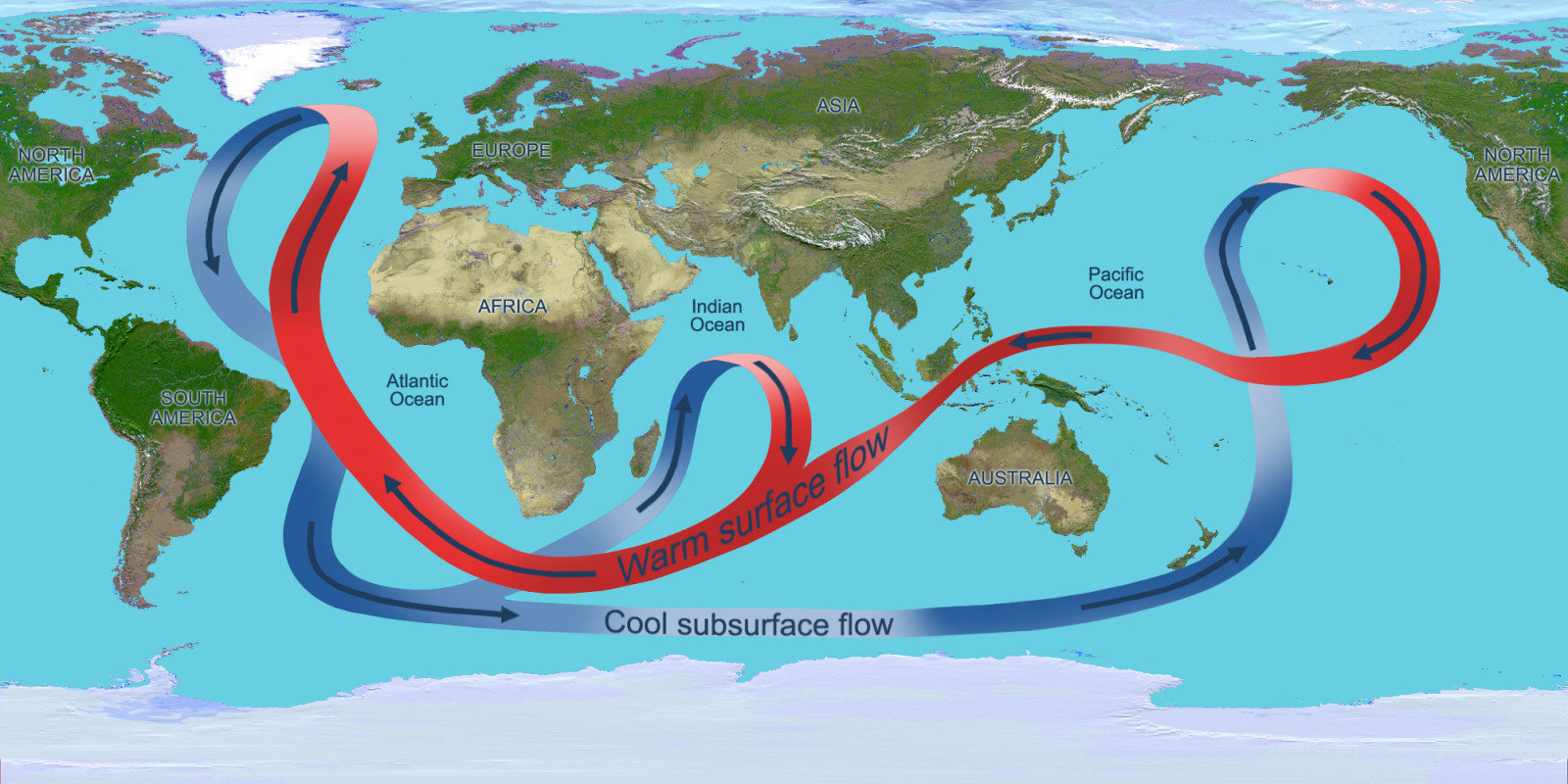
The Global Ocean Conveyor Belt brings warm waters from the tropics to the North Atlantic Ocean. These ocean currents regulate the temperature and weather in Europe, the Arctic, and North America.
As glaciers and sea ice melt, freshwater mixes with salty ocean waters. This change in salinity is causing the ocean current to slow down and shift. This can drastically affect the climate in coastal regions of Europe and North America.
Currents also move nutrients from cooler depths to warmer surface waters. Changes could severely impact the growth of phytoplankton that many marine species depend on for food.
Melting Ice, Rising Seas
We know that water expands with rising temperatures. We call this thermal expansion.
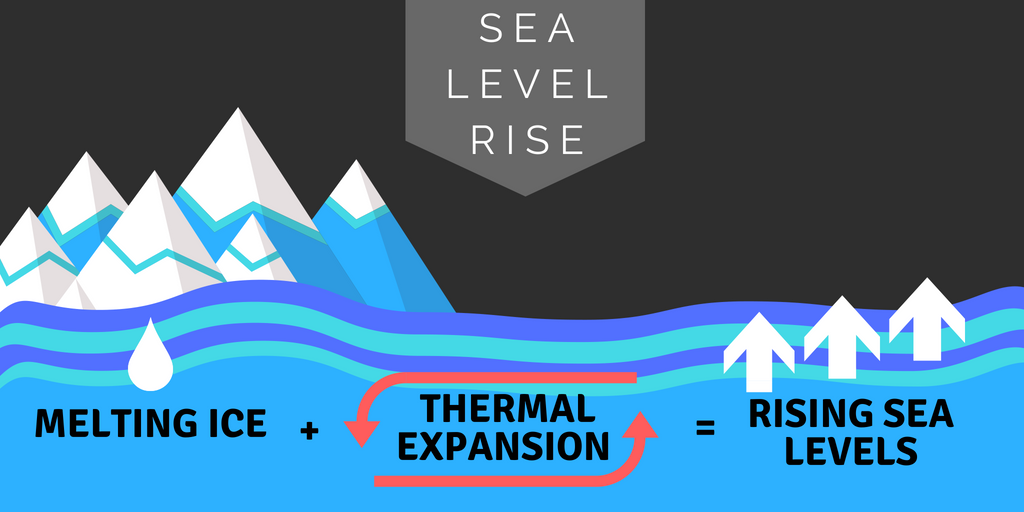
The expansion of water, combined with the melting of glaciers and ice sheets, is causing sea levels to rise.
Rising sea levels have already affected the Pacific island nations. They have flooded villages, destroyed crops, and contaminated drinking water.
If sea levels continue to rise, we will see more coastlines and islands disappear. We will also see more storm surges and flooding during hurricanes.
Depleting Freshwater
As temperatures increase, we will have more rain instead of snow.
With less snowpack and smaller glaciers, there will be less water in rivers and streams during spring. This will impact sources of drinking water for communities and wildlife.
Regions that face droughts will see streams dry up, groundwater disappear, and face a shortage of drinking water.
Heavy rainfall also causes problems. Debris, chemicals, and pollutants that are on land get washed into our water sources. This contaminates our clean water sources.
As temperatures rise, toxic algal blooms can grow in freshwater. This can also make the water unsuitable for drinking and harm marine life.
Let’s look at how all these changes are affecting ecosystems on land and in the oceans next.
Summary
- The Arctic is warming up at a much faster rate with melting ice exposing dark waters that absorb heat.
- If temperatures rise by 2°C (3.6°F) by 2100, warming oceans and melting ice would cause sea levels to rise and increase coastal flooding during hurricanes.
- Changes in precipitation such as reduced snowpacks on mountains, receding glaciers, and droughts will affect freshwater supplies.
In August 2019, Greenland experienced its largest single-day melt. An unusually hot day caused glaciers to release 12.5 billion tons of ice into the sea – enough to fill 5 million Olympic-sized swimming pools!
What is causing this melt? How will oceans and freshwater resources change in a warming world? Let's find out.
Warming Arctic
Did you know that the Arctic regions are warming two to three times faster than the rest of the planet?
The bright, white surface of ice normally acts like a giant mirror, reflecting sunlight back into space. However, when ice melts, it is replaced by dark ocean waters that absorb heat.
With less heat reflected, the Arctic warms up faster. This phenomenon that scientists call ‘Arctic Amplification” is another example of positive climate feedback.
Models show that by 2050, Arctic sea ice could disappear completely.
Permafrost Loss
Rising temperatures are causing the permanently frozen ground, known as permafrost, to thaw in parts of Alaska, northern Canada, Russia, and Scandinavia.
Scientists project that a temperature rise of 2°C (3.6°F) could cause up to a 40% loss in permafrost.
The impacts of thawing permafrost are severe, causing houses to sink, roads to collapse, and giant craters to form across the landscape.
Even more concerning is that thawing permafrost releases trapped greenhouse gases such as carbon dioxide and methane that accelerate global warming (another positive climate feedback).
Changing Oceans
Oceans are a storehouse of heat and carbon. So far, oceans have absorbed 90% of the excess heat from greenhouse gas emissions.
If average global temperatures rise by 2°C (3.6°F) by 2100, oceans would end up absorbing two to four times more heat. This would lead to more frequent marine heatwaves (known as blobs). Warm waters also hold less oxygen, making it hard for fish and other marine life to survive.
In addition, when oceans absorb carbon dioxide, they become more acidic. Models project that ocean pH (acidity level) could drop by about 0.02 per decade. While this may seem small, a 0.1 drop in pH is equivalent to a 30% increase in acidity.
Ocean currents are shifting, too. The Global Ocean Conveyor Belt moves warm and cold waters around the world, making winters milder in Europe and less extreme in North America. However, the melting of Arctic ice changes salinity by adding freshwater to the oceans. This can cause ocean currents to slow down and shift, and can drastically affect the weather in coastal Europe and North America.
Ocean currents also circulate nutrients from the deep sea to the surface. Changes to the flow could harm tiny phytoplankton that many marine species depend upon for food.
Rising Seas
When water warms, it expands. This phenomenon is known as thermal expansion. This expansion, along melting of glaciers and ice sheets, is causing sea levels to rise.
Scientists estimate that the Greenland Ice Sheet, which is three times the size of Texas, could contribute to 23 feet of global sea-level rise if it were to disappear completely.
Rising seas threaten coastlines and small island nations, as well as increase the risks of storm surges and flooding during hurricanes.
Depleting Freshwater
Rising temperatures are causing mountain glaciers to recede and winter precipitation to fall as rain instead of snow.
A lighter snowpack will mean less water in rivers and streams during spring and summer, affecting communities and wildlife. Drought-prone areas will see streams dry up and groundwater, another source of drinking water, disappear.
Heavy rainfall can pose problems too, as debris, chemicals, and pollutants from land get washed into streams and rivers, contaminating freshwater sources.
Warmer waters also fuel toxic algal blooms in lakes and rivers, making the water unsuitable for drinking and threatening aquatic life.
Next, we will explore how these changes are impacting plants, animals, and people around the world.