
Our world's population is currently at 8.1 billion. It is expected to increase by another 3 billion by 2050.
With more people, we have to find ways to feed and house them. And climate change can make this harder.
Let’s learn about how climate change affects us.
Food Supply
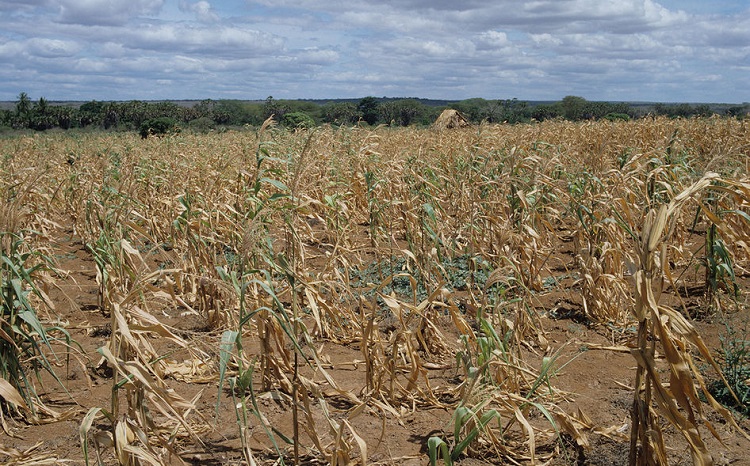
Extreme weather events can significantly reduce crop yields.
More than 83% of farmers depend on rain for farming. Changing rainfall patterns and flooding can damage crops.
Higher temperatures will cause plants and soil to dry up. It will force farmers to use precious groundwater for irrigating their crops. Moreover, pests can survive for longer in hotter temperatures. With more pests, farmers will be forced to use stronger pesticides.
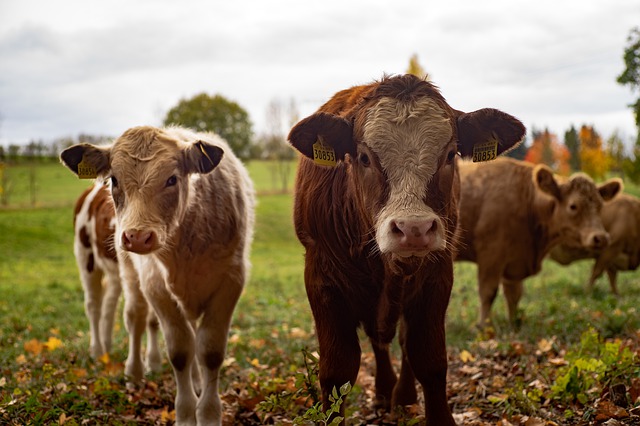
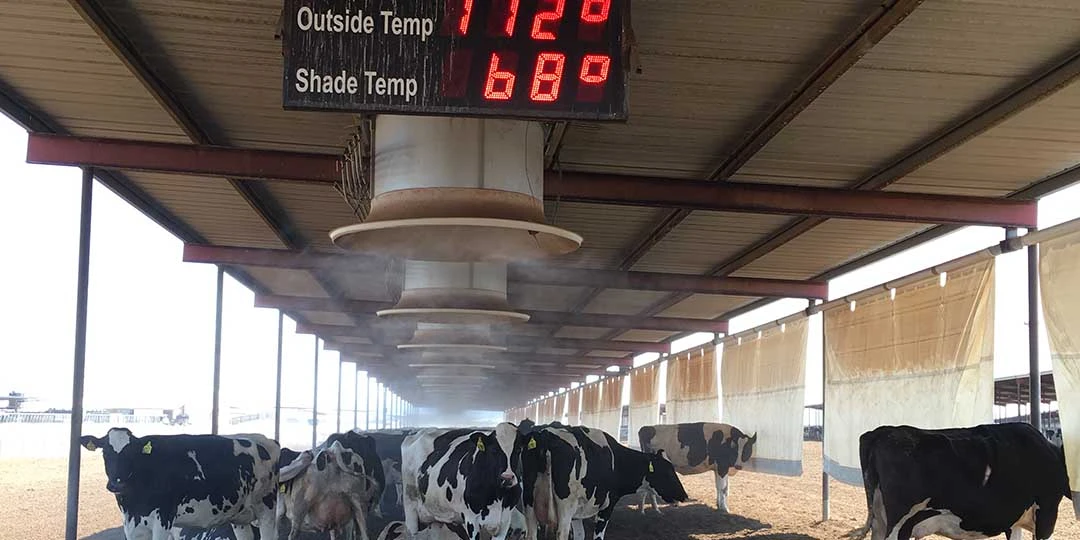
Climate change also threatens the livestock we depend on, including cattle, sheep, pigs, goats, and horses. For example, heatwaves can lead to disease and reduce the milk cattle produce. Droughts reduce the amount of pasture for animals to graze.
Our fisheries have also been experiencing huge impacts. Many marine species are moving to cooler waters, which will affect local fishing industries.
Human Health
The health impacts of climate change will be felt most by children, older adults, and people in low-income communities.
With higher temperatures and longer heatwaves, people are at risk of heat-related illnesses. They might experience heat strokes, heat exhaustion, and dehydration.
Extreme heat can even worsen the impact of pre-existing conditions like diabetes, kidney disease, and heart problems.
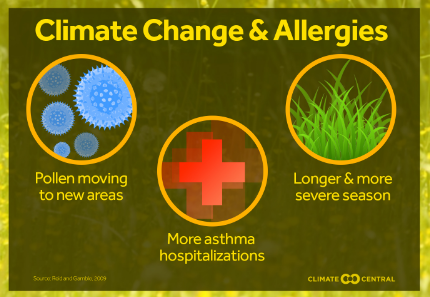
Climate change lengthens allergy season because warmer temperatures lead to an earlier spring. With a longer spring season, there is more pollen. This affects people with allergies and asthma.
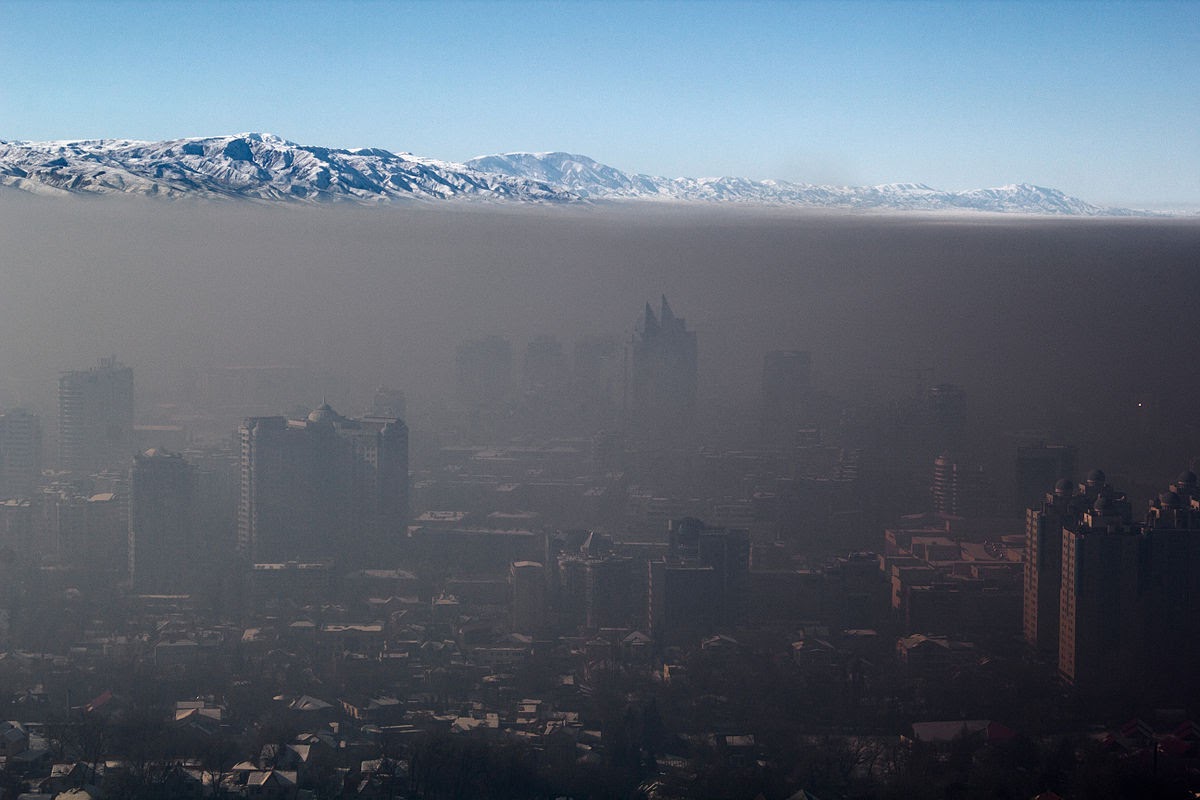
Pollutants and carbon dioxide from wildfires and ground-level ozone can worsen medical conditions.
Rising sea levels and more rain increase the risk of waterborne diseases.
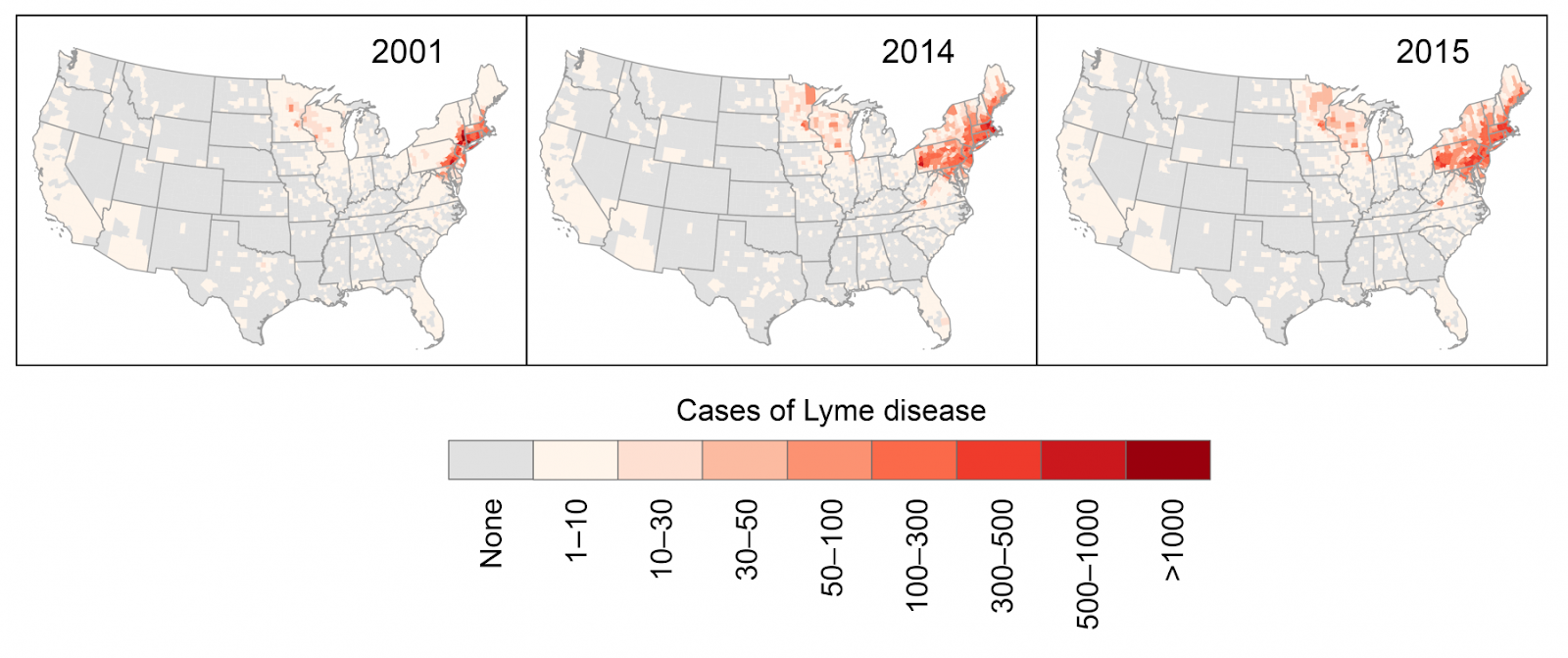
Mosquitoes, parasites, and ticks that carry Lyme disease are also spreading farther with higher temperatures and more precipitation.
Homes and Livelihoods
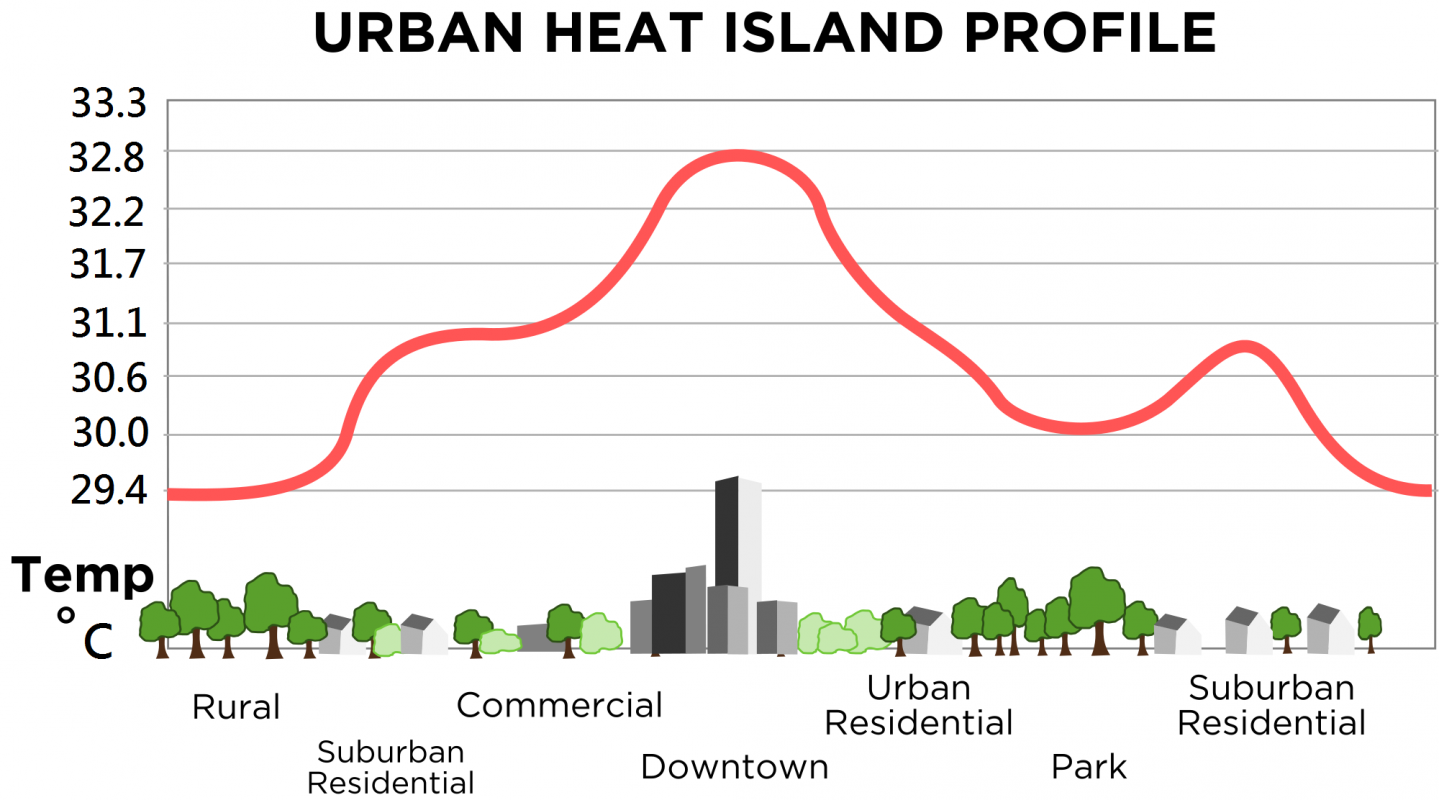
You may have noticed that cities tend to be hotter than the surrounding areas. This is because urban regions have less vegetation and become very dry. Buildings and roads absorb heat during the day and release it slowly. This phenomenon is called the "urban heat island" effect.
Extreme heat can cause roads to crack and rail tracks to bend. Flooding and rising sea levels are also major threats. They damage homes, bridges, roads, and railways.

In mountainous regions, melting glaciers can cause landslides and floods.
Climate change poses a direct threat to people's livelihoods. For example, less snowfall will affect recreational activities and tourism in mountain resorts.
Many people have already had to flee their homes because of climate change. We call these people climate refugees. Since 2008, 24 million people have been considered climate refugees, and this number could increase to 143 million by 2050.
The economic losses from extreme events can be quite severe, too. The 2018 wildfires in California cost $400 billion.
Now that we’ve understood the impact of climate change on weather, water systems, animal ecosystems, and humans, what are some solutions? Let’s find out in the next module
Summary
- Climate change affects our food supply, both crops and animals, as well as our drinking water.
- Rising temperatures and poor air quality affect people’s health and spread waterborne diseases.
- Extreme events impact where people live, their livelihoods, and force some to migrate to other areas.
Our world's population, which is currently at 8.1 billion, is expected to increase by another 3 billion by 2050.
Feeding, housing, and supporting so many people is already putting pressure on the planet's resources. Climate change can make this challenge even harder.
In this section, we look at how climate change affects our food, water, health, homes, and livelihoods.
Food Supply
Extreme weather events can make it hard to grow food.
- About 83% of farmers worldwide depend on rainfall (not irrigation systems) to water their crops. So, changes in rainfall – either too little or too much – can ruin harvests.
- Hotter temperatures dry out the soil and plants, forcing farmers to dig deeper for groundwater.
- Pests that survive longer in warmer weather damage crops and force farmers to use more pesticides.
In fact, studies show that the yields of vegetables and beans could drop by 35% by 2100.
Higher carbon dioxide in the atmosphere reduces the amount of protein and important minerals in crops like wheat, rice, and soybeans, making them less nutritious..
Livestock are affected too. Heatwaves can make cattle sick and reduce milk production. Droughts dry up grasslands, leaving less food for animals to graze on.
The world’s fisheries are changing as well. Many fish are moving toward cooler waters, which hurts local fishing industries.
Warmer water has also helped spread diseases, like those affecting salmon in the Arctic and oysters in the Atlantic.
Finally, drinking water is under pressure too. With less snowfall, shrinking glaciers, and longer droughts, some areas are facing serious water shortages.
Human Health
Climate change affects everyone, but it will be especially hard on children, older people, and low-income communities.
- Higher temperatures and longer heatwaves increase the risk of heat exhaustion, dehydration, and heatstroke.
- Heat also worsens illnesses such as asthma, diabetes, kidney disease, and heart problems.
- Spring is arriving earlier, which means longer allergy seasons. There’s more pollen in the air, especially from ragweed, and that can trigger asthma and allergies.
Air pollution makes things worse. Wildfires release smoke and fine particles that irritate the lungs. Ground-level ozone (from the burning of fossil fuels) can damage lung tissue and even lead to premature deaths.
Rising sea levels and higher precipitation can contaminate water supplies and increase the risk of waterborne diseases.
Mosquitoes, ticks, and other disease-carrying insects are expanding into new areas as temperatures rise. Diseases such as malaria and Lyme disease are now being found in places that were once too cold for them.
Homes and Livelihoods
Have you noticed that cities feel hotter than nearby rural areas? That’s because of a phenomenon called the urban heat island effect.
Buildings, roads, and sidewalks absorb heat during the day and release it slowly. Cities also lack the trees and vegetation that keep temperatures cooler.
Extreme heat can cause roads to crack and rail tracks to bend. Flooding and rising sea levels are also major threats, damaging coastal communities and transportation infrastructure.
In mountain regions, melting glaciers can cause landslides and floods, while less snow hurts local economies that depend on skiing and tourism.
When extreme weather events (such as wildfires, floods, or droughts) destroy homes and communities, people are forced to move – and become climate refugees. Since 2008, more than 24 million people have been displaced due to extreme events, and this number could reach 143 million by 2050.
Finally, extreme events are costly for states and local governments as we see one-in-a-hundred-year events happen more frequently. Hurricane Harvey (2017) caused about $125 billion in damage in Texas. California’s 2018 wildfires cost nearly $400 billion in damages and losses.
We’ve seen how climate change affects our weather, water, ecosystems, and humans. But there’s still hope. In the next module, we’ll learn about solutions and how people around the world are working to build a more sustainable future.