
We know climate change is causing changes in land and ocean temperatures. It is also affecting precipitation and sea levels.
Here, we will learn how climate change also increases the intensity, frequency, and length of extreme weather events.
Examples of extreme weather events are:
- Heatwaves
- Intense rainfall & snowfall
- Droughts
- Floods
- Wildfires
Heatwaves
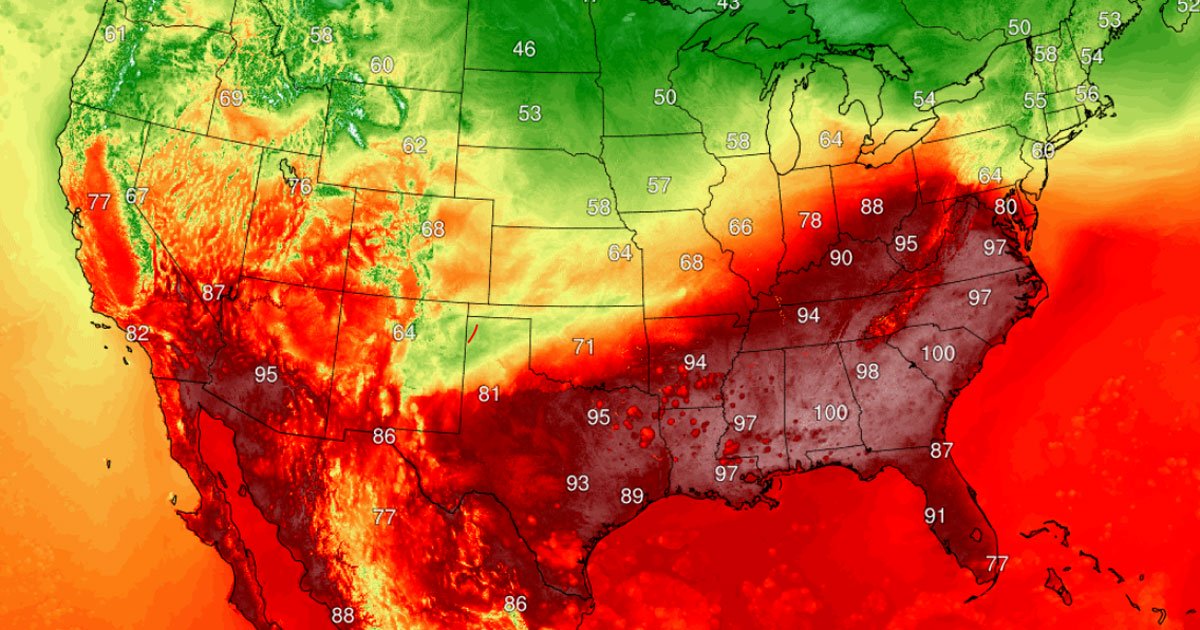
Heatwaves form when air is trapped close to the ground, and this still air mass gets heated by sunlight.
During a heatwave, temperatures are higher than the average summer temperatures.
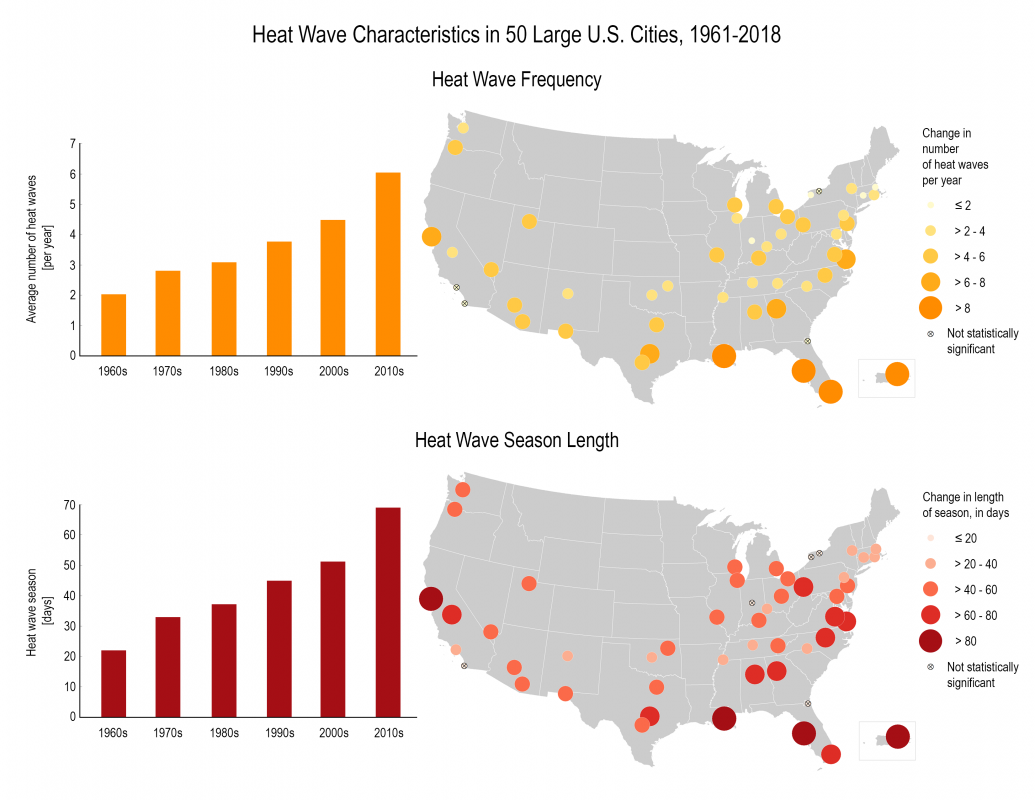
The U.S has been experiencing an average of six heat waves each year since 2010.
Droughts & Wildfires
Seasonal droughts are happening as temperatures rise and there is less rainfall. Some places that already had droughts are now having megadroughts.
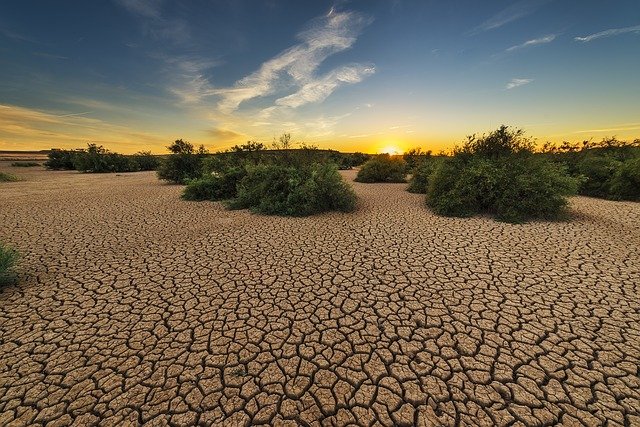
Since 2011, California has been in a state of drought. This happened because there was not enough rain or snowpack to provide water during the summer. This affects our groundwater supply and agriculture.
Two of the largest river basins -- the Colorado River and the Rio Grande have seen their water flows decrease. The Colorado River has dropped by 16% from 2000 to 2017.
Droughts are becoming more common in Africa, Asia, and Australia, too.
The extreme heat and droughts are also fueling wildfires across North America, Europe, and in super cold parts of our planet like Siberia and Scandinavia.
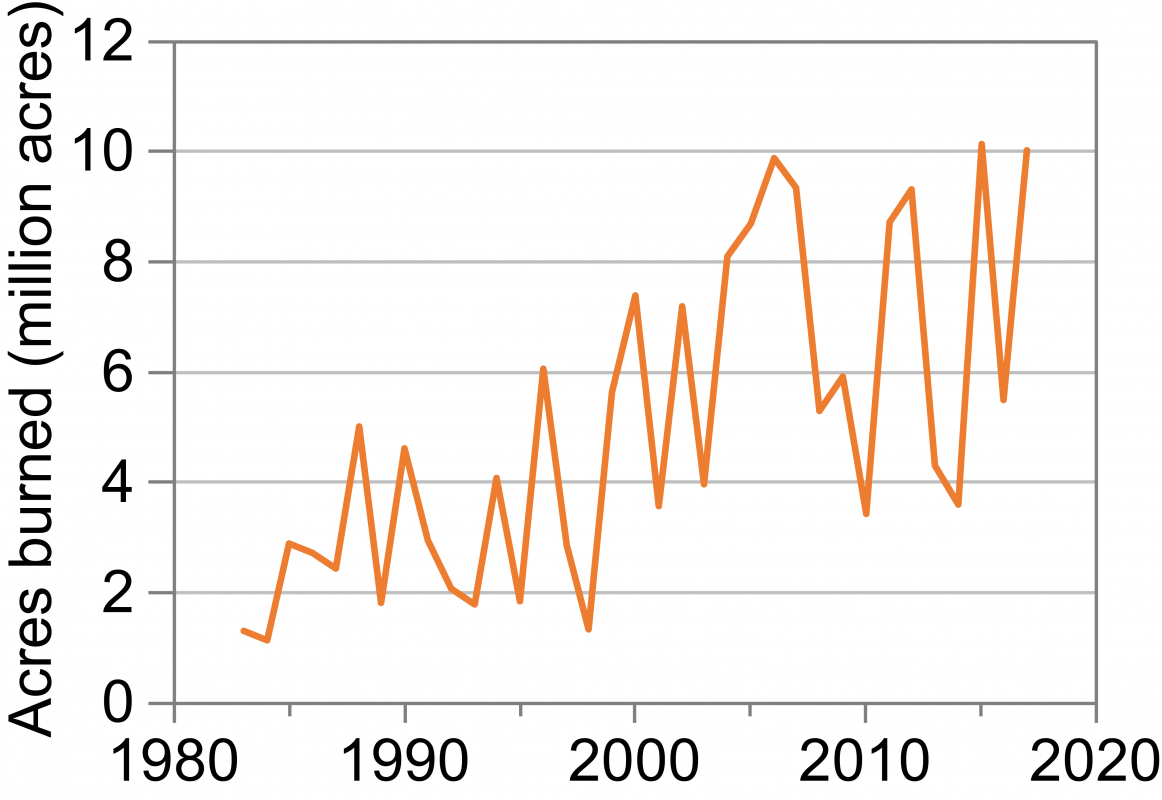
In the western U.S, the frequency of wildfires has increased four times since the 1980s. In California, 15 of the 20 largest wildfires have occurred since 2000.
Extreme Precipitation & Flooding
Scientists in the U.S have been tracking single-day rainfall and snowfall data since 1901.
They have found that nine out of 10 years with the largest number of heavy precipitation events have happened since 1990. The eastern U.S has seen a big increase in extreme precipitation.
Flooding can occur after heavy rainfall events.
Hurricanes: Getting Stronger?
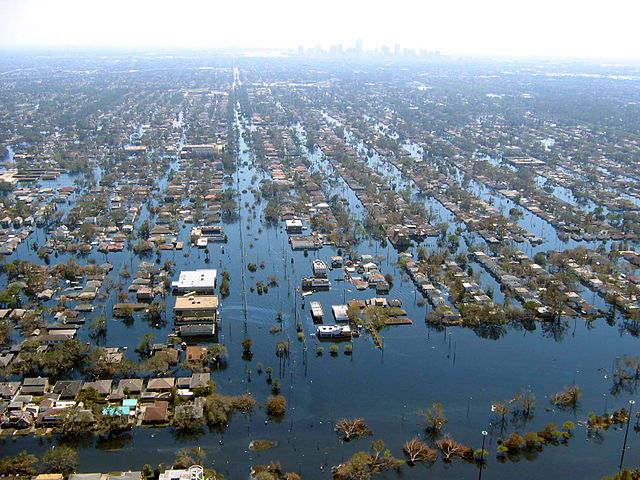
There is evidence that hurricanes are getting stronger and more destructive.
Five of the deadliest hurricanes in the U.S have occurred in the last 15 years.
More tropical storms are turning into hurricanes, and their range is growing.
Hurricane Harvey (2017) caused extensive flooding in Texas. The storm surge and flooding from Hurricane Sandy (2012) caused billions of dollars in damage.
You may have heard people say that climate change is natural rather than caused by human activities. Next, we will understand the science behind climate change.
Summary
- Extreme weather events are becoming more intense, frequent, and longer.
- High temperatures and low rainfall cause droughts in some regions.
- Patterns of rainfall and hurricanes have changed and heatwaves are becoming more common.
So far in this section, we have seen how rising temperatures are affecting the land, ice, and oceans.
The rise of extreme weather events globally is yet another indicator of climate change.
These events are becoming more frequent, more intense, and longer-lasting. Examples include heat waves, intense rainfall or snowfall, powerful hurricanes, droughts, floods, and wildfires.
Heatwaves
Heatwaves occur when a still mass of air is trapped close to the ground due to a high-pressure system, and then gets heated by sunlight. This leads to prolonged periods of unusually high temperatures, often lasting several days to weeks.
A recent study found that nearly 50% of the global population (about 4 billion people) is experiencing at least 30 extra days of extreme heat.
Since 2010, the U.S. has experienced an average of six heat waves per year, compared to just two back in 1960. The average duration of heatwaves has increased by 47 days as well (Fig. 2.6.2). In addition, summer nighttime temperatures are rising at nearly twice the rate of daytime temperatures.
Droughts & Wildfires
Rising temperatures and reduced rainfall are turning seasonal droughts into prolonged megadroughts, particularly in the U.S. Southwest.
California has faced persistent drought due to insufficient rain and early melting of the snowpack.
Water flow in the Colorado River dropped 16% from 2000 to 2017, and the Rio Grande has also seen a significant decline in water levels.
The same situation is playing out in other parts of the world. Australia endured a 15-year drought (1995–2009) that severely impacted agriculture and groundwater.
South Africa has faced drought conditions since 2018.
Extreme heat and dry conditions are fueling wildfires as far north as Canada and Siberia.
In the western U.S., wildfires now occur four times more often than in the 1980s. In California, 15 of the 20 largest wildfires have happened within the past two decades. Figure 2.6.4 shows that wildfires are burning more land than they used to.
Extreme Precipitation & Flooding
Extreme precipitation refers to unusually heavy rainfall or snowfall that occurs over a short period of time in a specific location.
In the U.S, records show that 9 of the 10 years with the highest number of extreme precipitation events have occurred since 1990 (Fig. 2.6.5). These heavy precipitation events have increased mostly in the eastern U.S.
Heavy downpours can cause severe flooding, as was seen in Louisiana in 2016 and the Mississippi River Valley in 2019.
Hurricanes: Getting Stronger?
There is increasing evidence that hurricanes are getting stronger and more destructive.
Five of the deadliest hurricanes in the U.S have occurred in the last 15 years: Harvey (2017), Katrina (2005), Sandy (2012), Irma (2017), and Maria (2017). Hurricane Harvey brought record-breaking rainfall, while Hurricane Sandy’s massive storm surge caused billions of dollars in damage.
More tropical storms are now strengthening into Category 4 and 5 hurricanes, and their reach is expanding -- impacting areas 100 miles farther north than they did 30 years ago.
Next, we will examine the claim that climate change is purely natural. We’ll explore the science behind these changes and why the evidence points clearly to human activities.