
We know that weather forecasts help people decide how to dress or whether to plan outdoor activities. You wouldn’t want to plan a day at the park when it is supposed to rain!
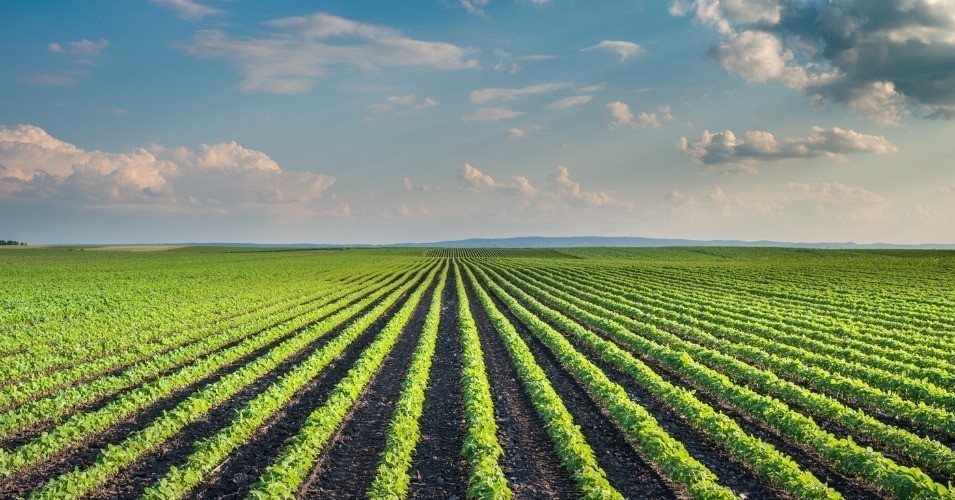
But did you know that farmers use weather information to plan crop irrigation?
Governments and businesses rely on weather forecasts to predict power usage. If it is a very hot day, a business might use more power for fans or air conditioning. If it is a cold day, they might use the heater more than usual.
Weather is observed on the ground by tens of thousands of official and volunteer weather-observing stations.
These stations have the following instruments:
- Thermometers or sensors for temperature
- Rain gauges for precipitation
- Barometers to measure air pressure
- Hygrometers to measure humidity
- Anemometers to measure wind speeds
In The Air

Depending on the weather station, data may be collected every hour or even every 2.5 seconds!
Weather is monitored in the air by kites, balloons, and airplanes. Did you know that 900 weather balloons are sent up into the sky twice a day all year long? These balloons carry instruments known as radiosondes.
Many planes these days carry sensors that collect temperature, wind, and humidity. They capture this information from the upper atmosphere and send the data to weather stations.
Radar & Satellites
Radars are also used to find out how much rain falls in a certain place. Radars use high-frequency microwaves to measure raindrops.
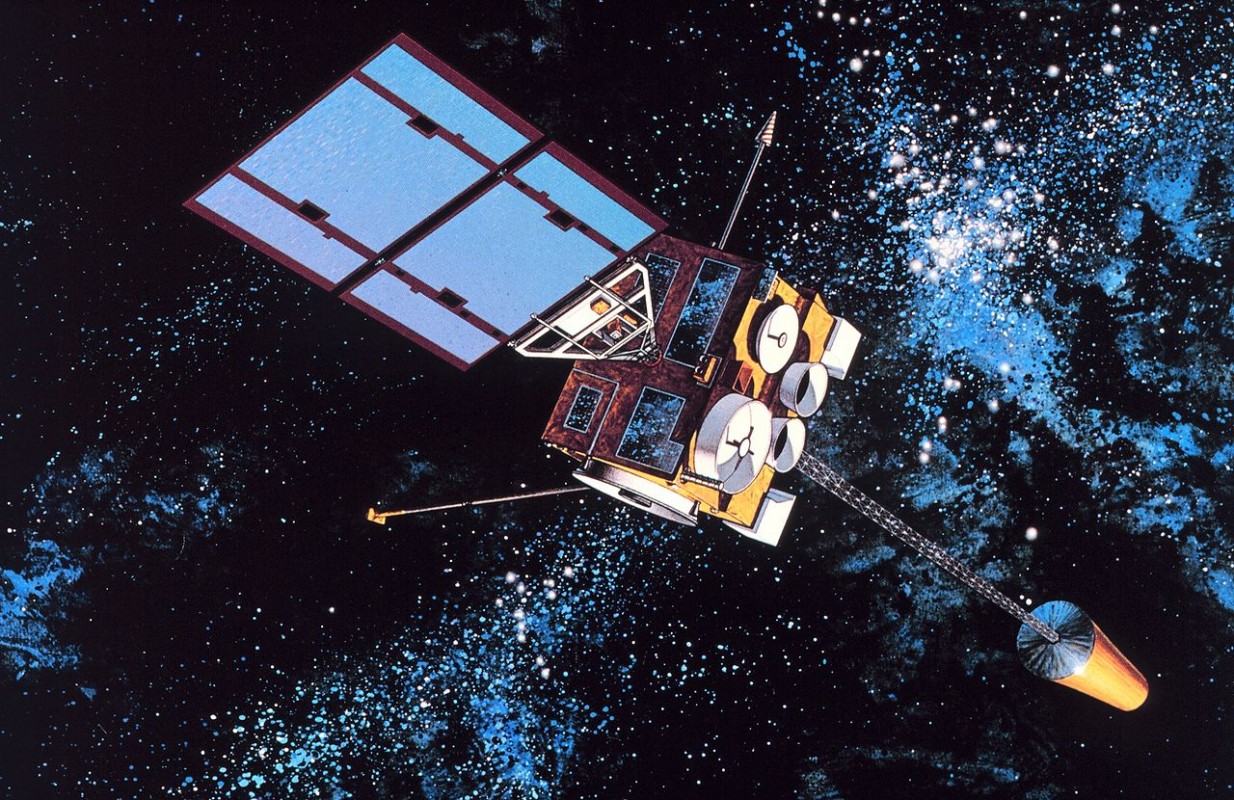
Satellites zip from one pole of our planet to another 14 times each day. They capture information about the atmosphere, clouds, and oceans. They take pictures and measure conditions over larger areas.
Since they are up in space, meteorologists can look at weather systems such as hurricanes. They can also check on natural disasters such as wildfires and volcanic eruptions. Can you imagine watching a volcano erupt from outer space?
The information collected from these instruments is plugged into computer models. These models predict what the weather will be like over the following two weeks.
Next, let’s learn why climate is important and how weather information is transformed into climate data.
Summary
- Weather refers to short-term conditions of the atmosphere.
- The elements of weather are temperature, precipitation, humidity, wind speed, air pressure, and cloudiness.
- Weather is measured on the ground, in the air, and in space.
We know that weather forecasts help people decide what to wear or whether to plan outdoor activities.
But did you know that farmers use weather information to plan crop irrigation?
Even governments and businesses rely on weather forecasts to anticipate the demand for electricity on an unusually hot day, or to prepare for clean-up efforts after a major storm.
Weather refers to short-term conditions of the atmosphere and can include rain, snow, thunderstorms, hurricanes, and more.
Weather is monitored on the ground by tens of thousands of official and volunteer weather stations around the world. These stations are equipped with instruments that collect valuable data, such as:
- Thermometers or sensors to measure temperature
- Rain gauges to measure rainfall
- Barometers to measure air pressure
- Hygrometers to measure humidity
- Anemometers to measure wind speeds
Depending on the station, data may be collected hourly or as frequently as every 2.5 seconds!
In The Air
In addition to ground-based stations, weather is tracked above ground using kites, balloons, and airplanes.
Did you know that weather balloons are launched twice a day, every day, from nearly 900 locations across the globe? These balloons carry instruments called radiosondes, which transmit data on temperature, humidity, and pressure back to Earth via radio signals.
Many commercial planes today are equipped with sensors that collect similar information from the upper atmosphere and relay it to weather stations in real time.
Radar & Satellites
Ground-based radar and satellites orbiting the Earth help monitor weather across large regions.
Radar systems use high-frequency microwaves to detect the location and intensity of rainfall by measuring how signals are affected by raindrops.
Polar-orbiting satellites travel from pole to pole around 14 times a day, gathering data about the Earth's atmosphere, clouds, and oceans. Geostationary satellites, on the other hand, are positioned at the equator and orbit in sync with the Earth’s rotation.
These satellites provide meteorologists with a bird’s-eye view of wildfires and volcanic eruptions, as well as help with tracking and communicating rapidly changing weather events such as thunderstorms and hurricanes.
All of this data — from the ground, air, and space — is fed into powerful computer models to forecast the weather over the coming days and weeks.
Next, let’s explore why understanding climate is important — and how weather data is used to build climate records.