
You pass by a marigold, and you think, ‘Oh, that’s pretty’. Well, it may be more than that… It could be your new protein! Sounds unbelievable, doesn’t it?
Well, there is scientific evidence to show that marigolds are good for the human body and highly sustainable. Let’s jump right in!
The Backstory
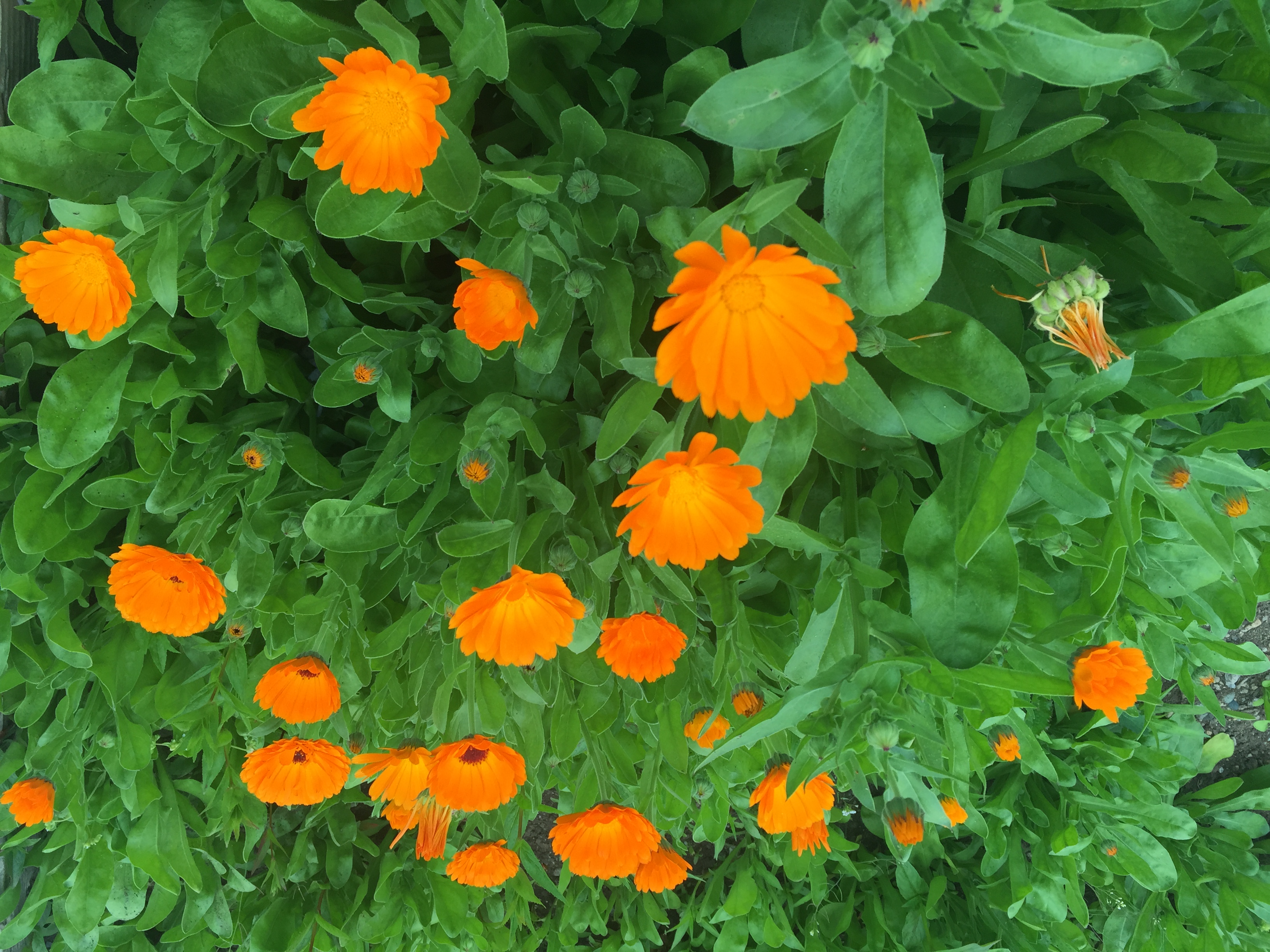

Marigolds are popularly used in celebrations throughout the world. Roughly 40% of marigolds used in festivals and weddings, specifically in Mexico and India, are dumped into landfills every year.
After witnessing the large quantities of used marigolds being thrown away each year, scientists at the University of Georgia decided that the time had come to see if this “waste” could be useful.
Mohan and his team of scientists conducted several tests on marigolds to find out what their benefits are. The Calendula Officinalis, commonly known as the pot marigold, was chosen for its hardiness.
The scientists dried the marigold petals, ground them up, and mixed them with water for a base to start with. The solution was refined and filtered, then mixed with different chemical compounds to isolate the various proteins in the plant.
Results From Study
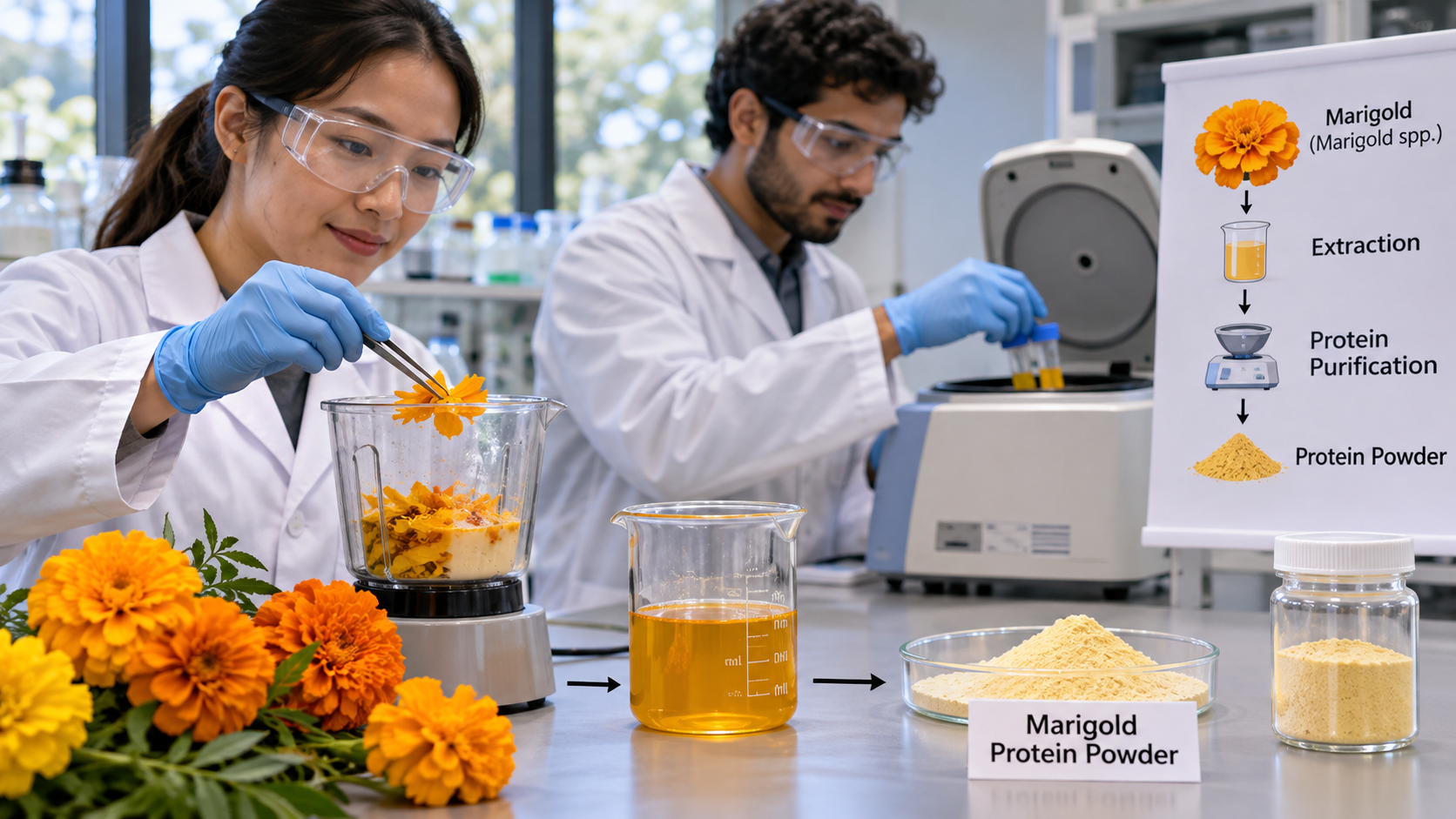
The study showed that some of the extracted proteins, like glutamic and aspartic acid, can add hints of umami to foods.
Marigold petals also yield about 9.2% crude protein by dry weight (~9 g per 100 g powder) and can withstand temperatures up to 221℉ (105℃). That’s hotter than a lot of other proteins, like chickpea or pea, can withstand! This feature may make marigold good for baked foods.
Other resilient marigold proteins include albumin and glutelin, which can be fantastic emulsifiers for food products that need to bind oil and water - such as dairy or salad dressing. Even better, the flowers are loaded with antioxidants, fiber, and essential minerals such as iron, calcium, and potassium.
As Dr. Mohan summarizes: “Our ongoing work reflects a commitment to advancing a circular and sustainable food model, where agricultural byproducts are repurposed into high-value ingredients.”
The Final Word
Marigolds hold remarkable potential to fundamentally transform how researchers and food manufacturers design sustainable ingredients.
However, the researchers warn that not every marigold is safe to eat, such as the wild marigold (Tagetes minuta) and the Irish Lace marigold (Tagetes filifolia).
The study focused specifically on pot marigolds (Calendula officinalis), a variety traditionally used in foods and natural remedies. So no matter how pretty they are, don’t go around eating random marigolds without checking to see if they’re safe!
Sources: Univ. of Georgia, Anthropocene Magazine, Discover Magazine, CBS, acs.org, happyeconews