
Imagine your favourite park is suddenly scorched by wildfire, or your basement floods after a sudden storm. Who should pay to fix the damage? More importantly, where did the damage come from?
This question is at the heart of a legal battle that has made its way to the U.S. Supreme Court.
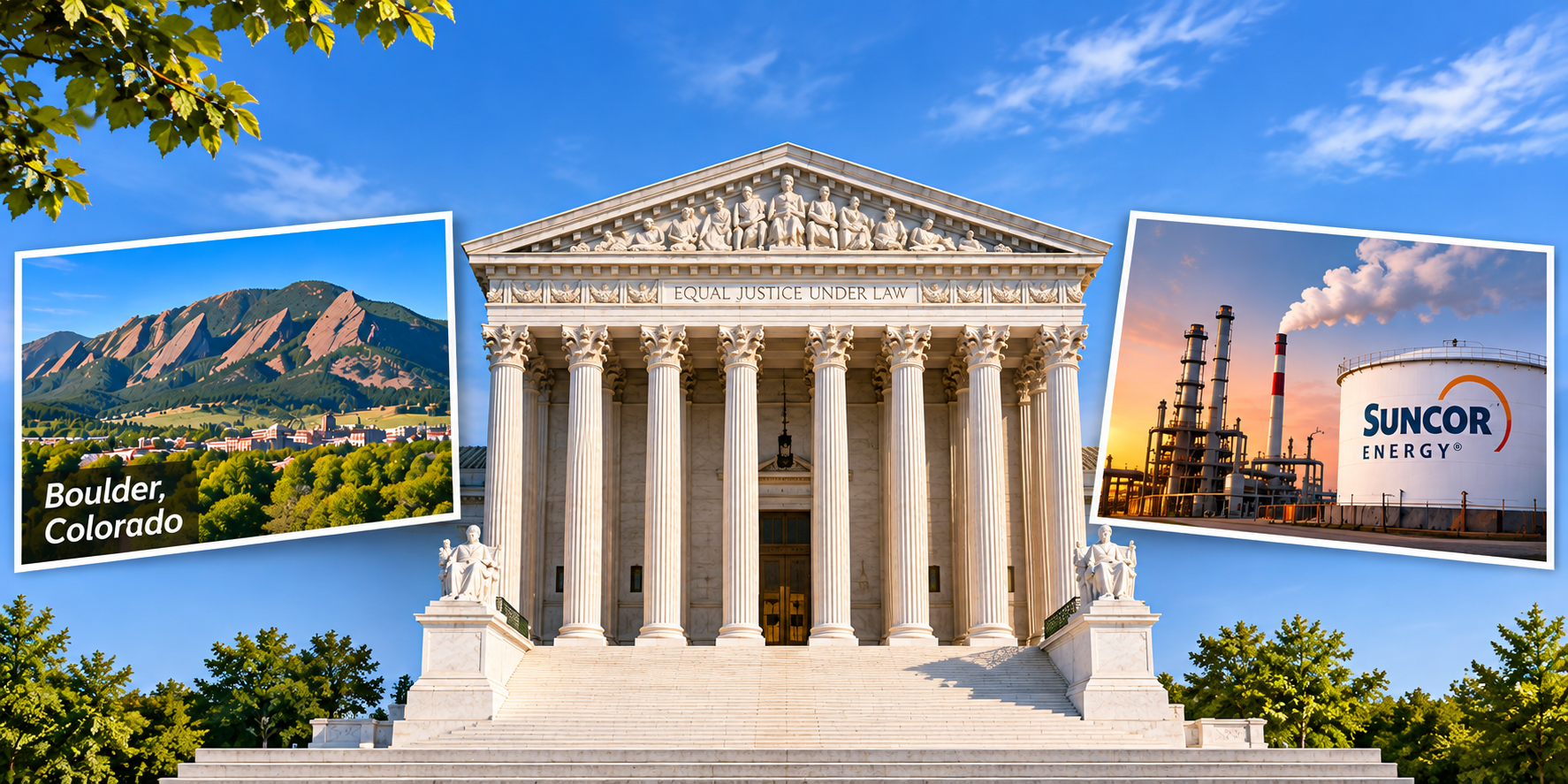
The case, known as Suncor Energy v. Boulder County, pits Colorado communities against major oil companies.
For years, local governments have faced increasing costs from natural disasters intensified by the changing climate–wildfires, floods, heat waves. Tired of bearing these financial costs alone, the city of Boulder decided to take a step.
Let’s take a look at how local lawsuits work.
What Does Boulder Argue?
Boulder isn’t trying to ban oil. Instead, they’re filing a consumer fraud lawsuit, which states that major energy companies have spent years misleading their consumers about the dangers of their products. In doing so, they are following a pattern used in the past for holding tobacco and opioid companies accountable.
Scientists trace how companies’ actions translate into physical destruction through a field of study known as attribution science. When fossil fuel companies extract oil and gas, burning these products releases billions of tons of greenhouse gases into the atmosphere. These gases trap heat in the planet, altering global weather patterns.
For decades, companies knew the effects of their operations, but they continued doing business knowing that it contributed to local financial issues. The pollution they generated has resulted in the destructive floods and heat waves we have been seeing globally.
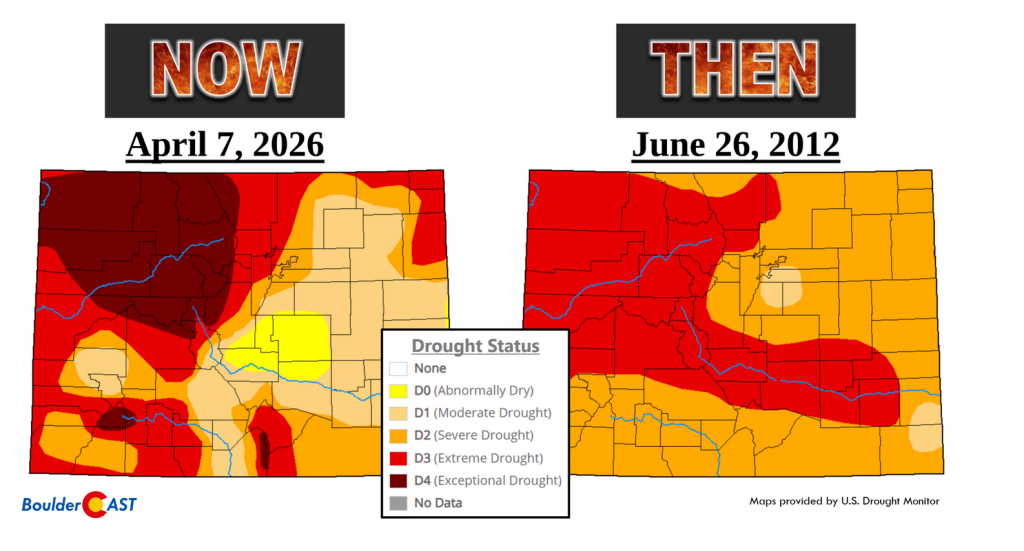
Boulder's claim is backed by a diverse coalition of local Colorado ranchers, whose land and water supplies have been disrupted by droughts.
What Do Oil Companies Argue?
On the other side, major companies like Suncor and ExxonMobil argue that a local court can’t possibly judge such a large-scale problem. They argue that climate change is a national -- even a global problem, and that cross-border environmental issues should be handled by federal laws.
In the eight years since it was filed, the case has bounced from state court to federal court, then back again. Last year, the Colorado Supreme Court allowed the lawsuit to move forward in the trial court. Then the Supreme Court of the United States agreed to hear the case.
Right now, the case is sitting with the nine justices, but there’s a catch. Since Justice Samuel Alito excused himself from the proceedings, the case faces the possibility of a 4-4 tie in voting. If that happens, the decision for Boulder’s case to move forward will automatically stand, but it won’t set a nationwide expectation.
Dozens of similar local lawsuits across the U.S. are awaiting this decision. If the Supreme Court rules in favor of the oil companies, it could stop major companies from taking accountability when their products create widespread harm. If it allows Boulder’s case to proceed, then communities nationwide will have a chance to seek financial justice.
Sources: NY Times, Grist, Inside Climate News, CBS