
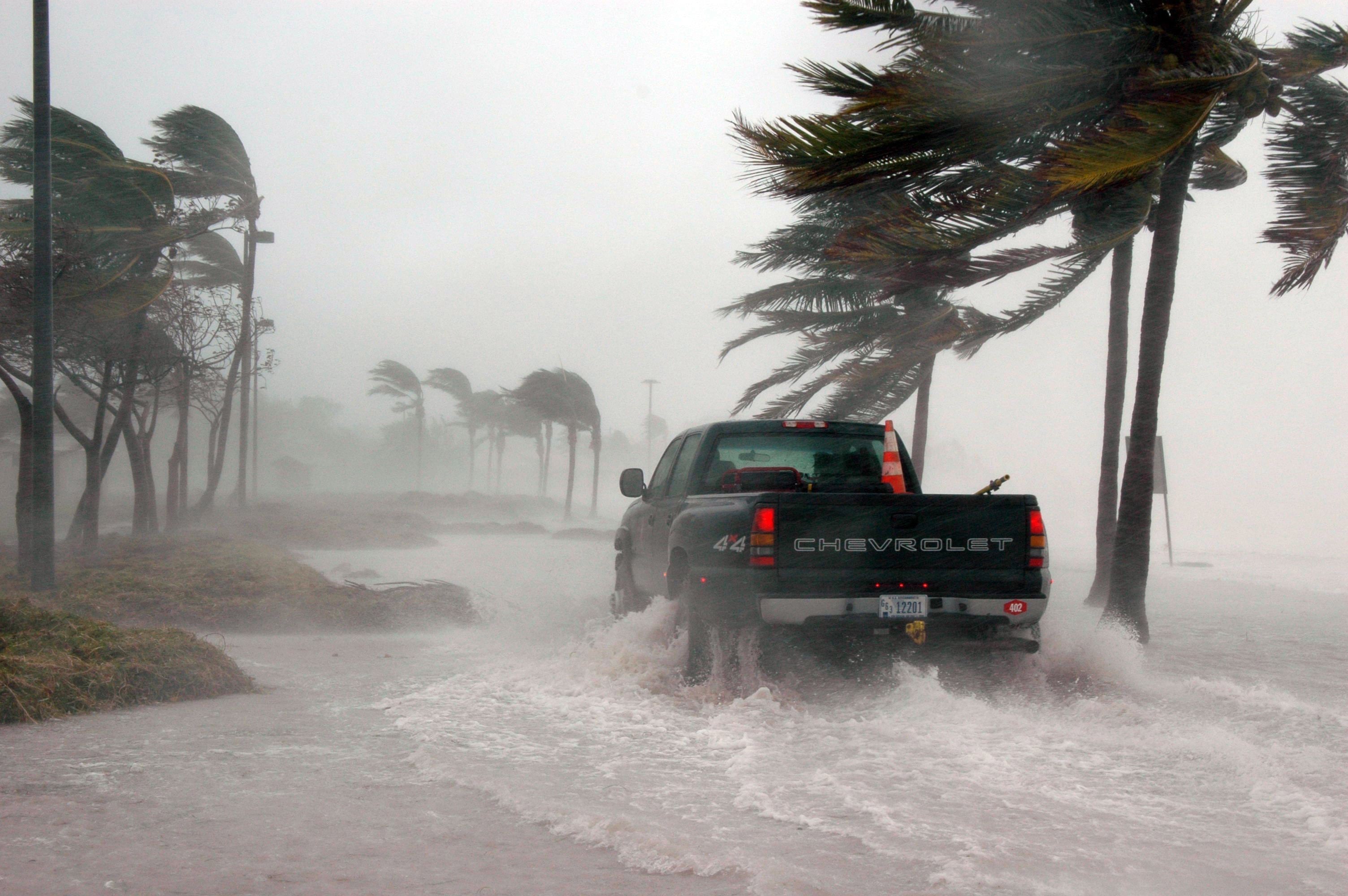
This past month, the United Nations General Assembly made history by adopting its first declaration on sea level rise, with all countries agreeing to support it.
This rare moment of unity shows just how serious the threat of rising seas has become. Rising sea levels affect both wealthy and developing countries, although some face much greater risks than others.
Let's explore why sea levels are rising, what the UN has agreed to do, and what this means for the future.
Impacts of Sea Level Rise
As global temperatures increase, glaciers and ice sheets melt, adding more water to the oceans. Warmer ocean water also expands, further raising sea levels.
In 2024, global sea levels rose by a record 5.9 millimeters. According to the Intergovernmental Panel on Climate Change (IPCC), sea levels could rise by 0.23-0.29 meters (about 9-11 inches) by 2050 depending on how quickly countries act to curb greenhouse emissions.
Rising sea levels flood coastal communities, pollute freshwater sources, and force millions to leave their homes. For small island nations such as Tuvalu and the Marshall Islands, sea levels could wipe much of the country off the map.
Changes in the oceans also affect rainfall patterns, freshwater supplies, and wetlands around the world -- even in countries that do not have a coastline.
What Did the UN Agree On?
Many countries still lack reliable local data on how quickly sea levels are changing and which areas are most at risk. The UN declaration calls for better monitoring systems, improved computer models, and greater sharing of technology and scientific knowledge.
One of the most important issues addressed by the declaration is what happens when rising seas threaten the existence of an entire island nation.
The UN declaration supports the rights of island nations to maintain their sovereignty even if their land disappears underwater. This includes protecting their rights over surrounding ocean areas and control over military and economic activities such as fishing, energy industries, and tourism in the area.
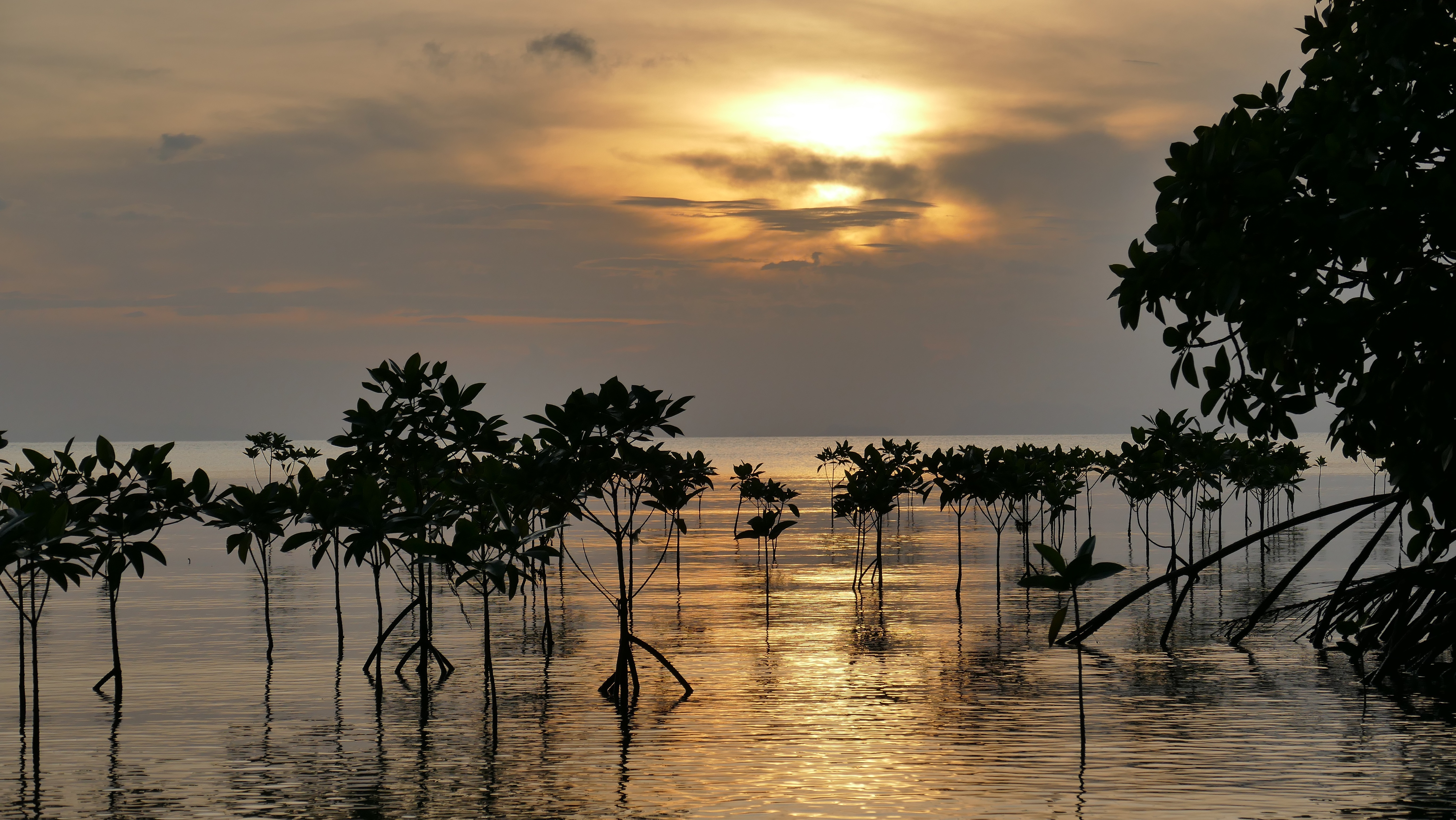
The declaration also calls on wealthier countries to provide greater financial support to vulnerable island nations. This funding could help countries build seawalls, restore mangrove forests that protect coastlines, and relocate people from flood-prone areas.
Rising seas are more than an environmental, economic, or political problem. For coastal communities, losing their homes also means losing connection to their culture and heritage. The UN declaration emphasizes the importance of involving local communities in decisions and using traditional and Indigenous knowledge to develop solutions that protect coastal communities and their ways of life.
Although the threat is serious, the UN declaration offers a reason for hope. The commitment by countries to work together is an important step toward protecting people, communities, and nations from rising seas.
Sources: Grist, UN.org