
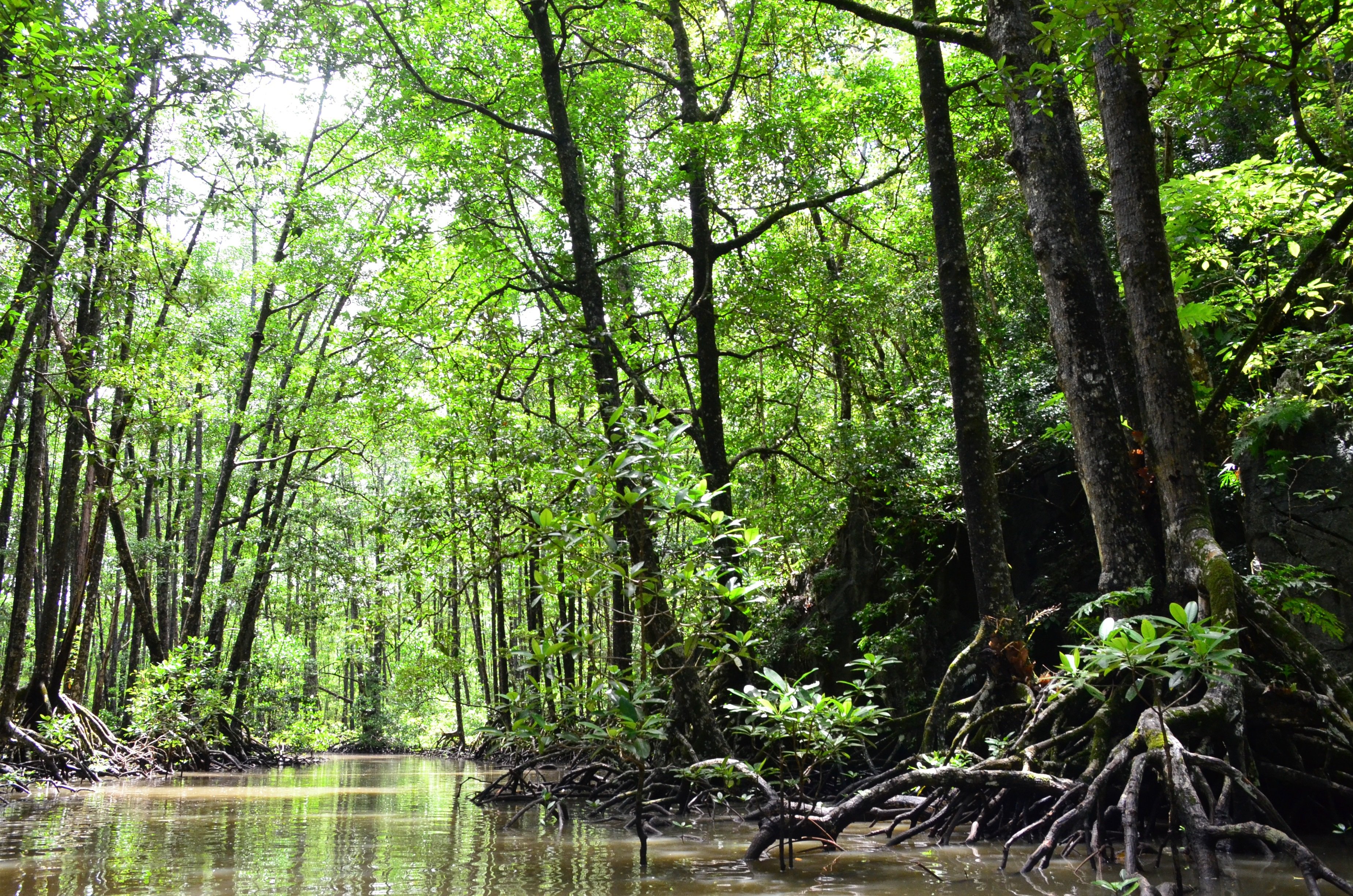
After decades of decline, these trees are bouncing back. Mangroves, the magical trees that can breathe through their roots, are regenerating despite our changing climate.
Mangroves grow where few other trees can survive, in hot, salty seawater along coastlines. Their roots pull oxygen from the air since the salty mud around them holds so little. Some mangroves even have special glands in their leaves that push excess salt back out.
These adaptations let mangroves thrive in muddy flats and floodplains that once seemed useless to people, so useless that many were cleared for farmland.
Role of Mangrove Forests
However, these clearings came at a steep cost. Mangroves combat the effects of greenhouse gases with their ability to store four to five times more carbon than land forests. They also shelter more than 1,500 species, from water mice to the endangered rainbow parrotfish.
Mangroves buffer coastlines from flooding and erosion, and support around 2.4 billion coastal people worldwide, supplying timber, medicine, and fishing grounds that millions of families depend on.
When the 2004 Indian Ocean tsunami struck near Indonesia, communities noticed that islands with healthy mangroves fared better than those without. This realisation raised immense global awareness and sparked the global push to protect mangroves.
A Lesson In Resilience
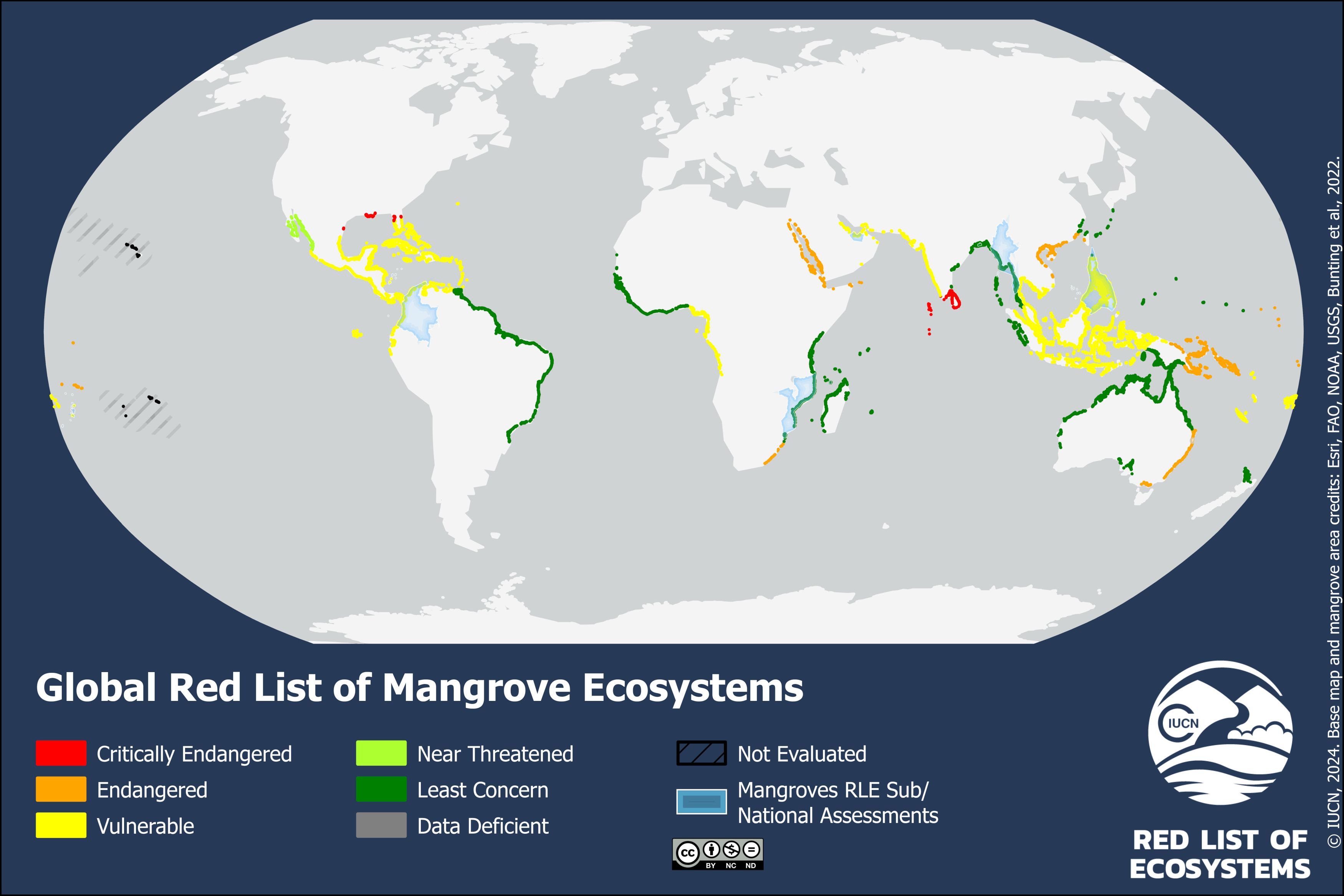
Between the 1980s and 2010, over 12,000 square miles of mangroves (roughly the size of Jamaica) disappeared across Asia, Africa, and the Americas. Today, that trend is reversing. The total net loss has reduced to just around 849 sq km (328 sq miles).
Satellite tracking shows mangroves expanding faster than before, and a 2023 UNEP report found that global losses have largely stabilized.
In Australia, mangroves are spreading further inland on floodplains. In Kenya’s Lamu seascape, scientists have mapped ecosystems to guide restoration projects managing nearly 5,000 hectares of mangroves. In Costa Rica’s Golfo Dulce, a community-led project planted more than 12,000 native seedlings, with over an 80% survival rate.
The recovery isn’t globally consistent. Mangrove forests are still thinning in some regions, and rising seas, droughts, and strong storms continue to deter their revival. Growth in one place sometimes comes at another ecosystem’s expense, as nutrients washed from damaged land upstream can end up feeding mangroves downstream.
Still, the mangroves tell a story of resilience. Found in 123 countries, mangroves are proving that with the right protection laws and community effort, once damaged ecosystems can heal. When people pay attention to what nature needs, nature has the remarkable ability to respond.
Sources: UNEP, BBC, The Conversation, Green Island Challenge