
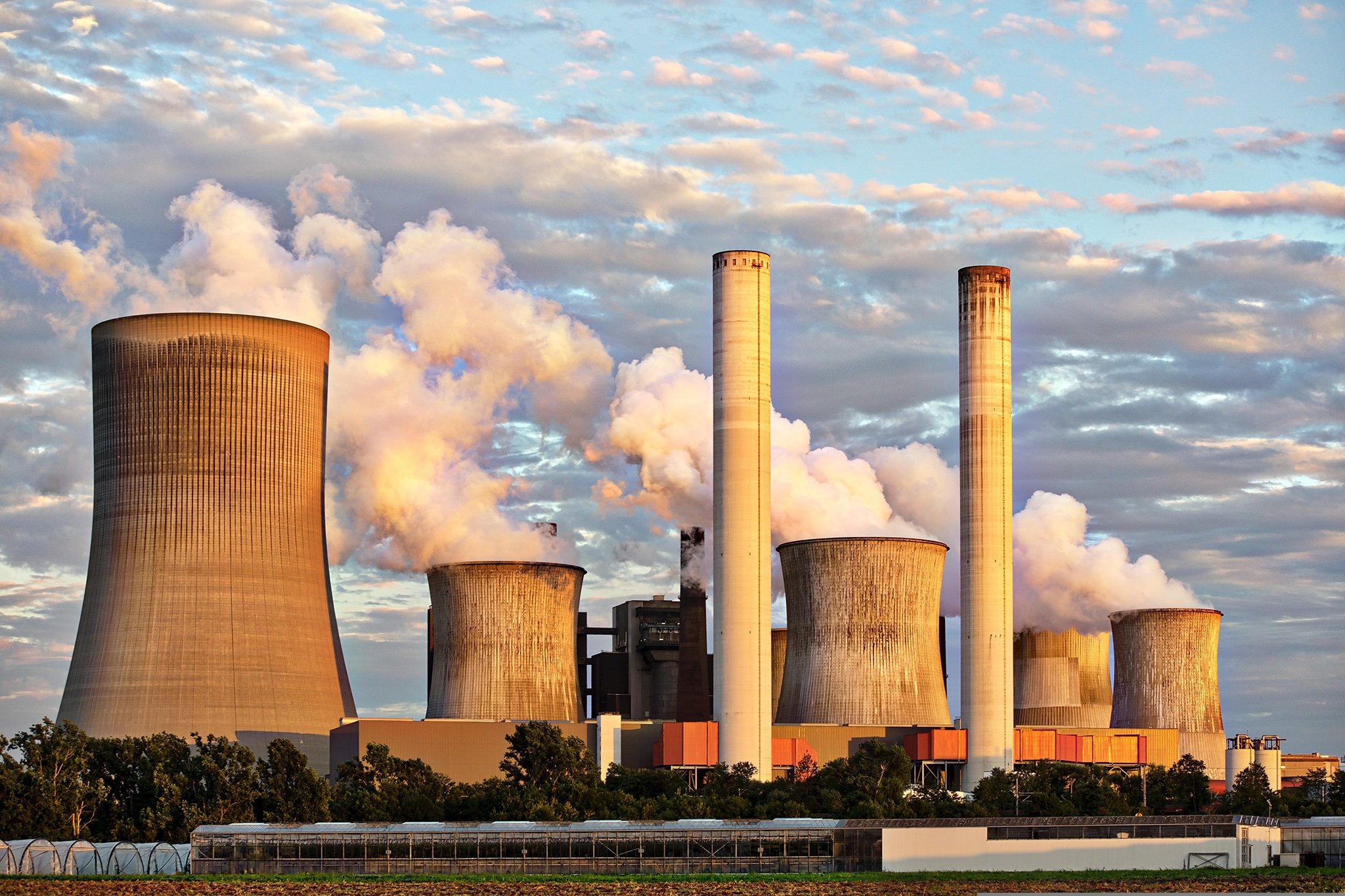
On September 14, 2026, the Trump administration announced its plan for “the single largest deregulatory action in American history.”
The Environmental Protection Agency (EPA) announced it will remove rules limiting emissions from coal and gas power plants -- rules that were part of decades of federal efforts to reduce emissions that contribute to climate change.
There are two sides to this story. While the government says that lifting these rules will make producing electricity easier and cheaper by more than $300 billion, environmental and public health groups say that since power plants are a major source of greenhouse gases, this would lead to more pollution.
This repeal is a major step backwards in federal efforts to limit greenhouse gas emissions. With fewer restrictions, the US could produce more emissions even if many states move towards expanding renewable energy.
Impact of Power Plants
Imagine if the Earth were covered in a blanket. This blanket is made of greenhouse gases, such as carbon dioxide, which are released when coal and gas are burned. These gases aren’t entirely harmful, though. We need some greenhouse gases to keep the Earth warm enough to live on; however, if we keep adding more and more layers of blankets, the Earth begins to overheat.
Over time, this contributes to global warming and the increased trapping of pollutants such as smog or mercury, which pose additional health risks. If power plants release more greenhouse gases, many scientists worry it would make the changing climate harder to control, worsening problems such as extreme heat, storms, and wildfires.
Renewable Energy: Not Political
This new action from the Trump administration doesn’t mean that renewable energy is disappearing. Solar power is booming. The US additionally installed more than 11 gigawatts of solar in Q2 2026, a 45% increase from Q2 2025.
An interesting trend is happening at the state level. States that voted for President Trump in 2024 accounted for 8 of the top 10 states for new solar development in the first half of 2026. Among these states, Texas leads the ranks with regard to solar development since 2024.
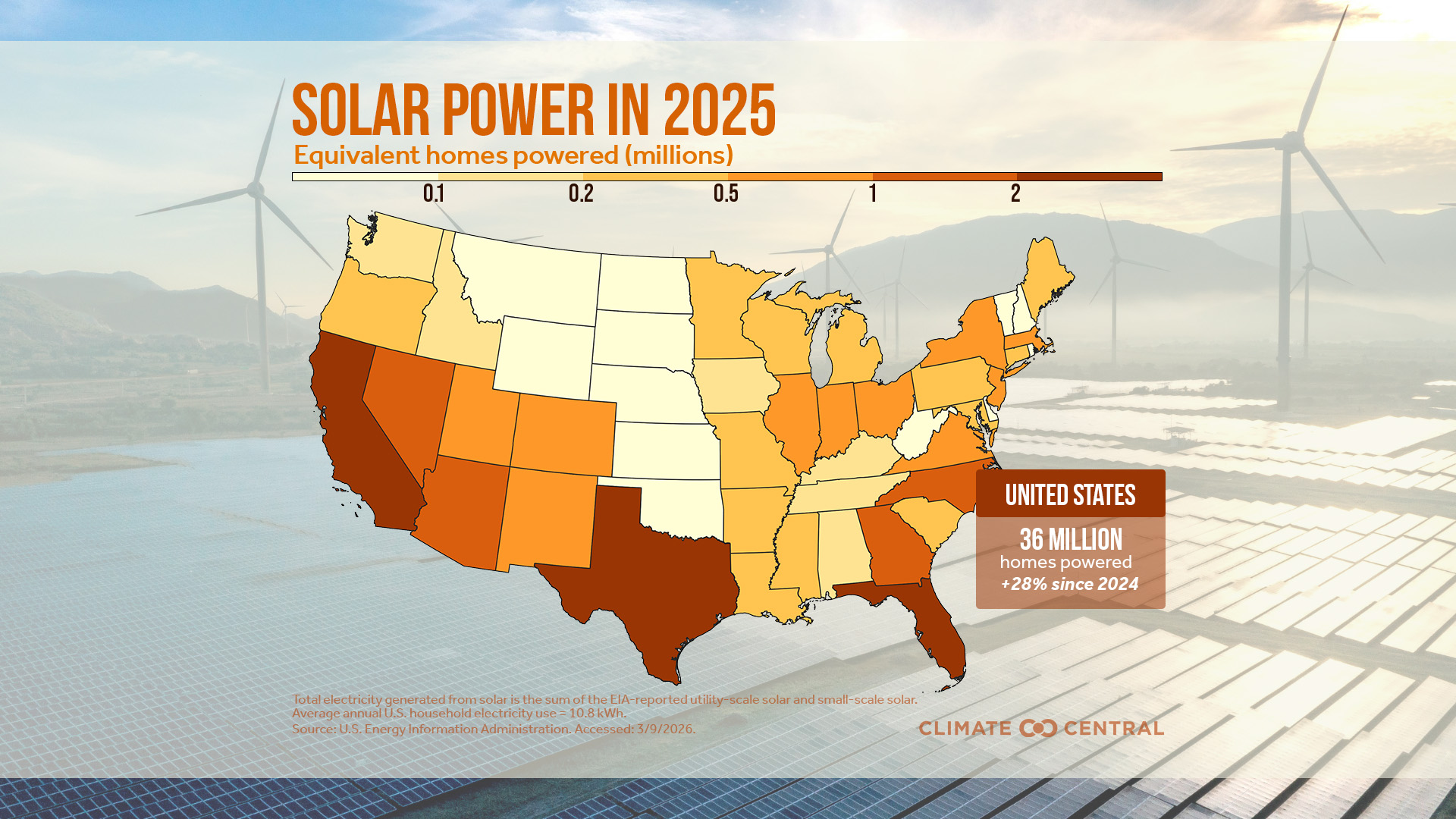
So why is solar growing so quickly in Republican states?
Many of these Republican states have lots of sunshine, open land, and a growing number of data centers and factories that need enormous amounts of power and electricity. This means that the transition to renewable energy is not just a Democratic agenda and that Republicans use fossil fuels. Clean energy is not just political. It can be a matter of getting enough electricity and the speed at which we can acquire energy.
Congress has ended some federal solar tax credits earlier than originally planned. Without tax credits, the future of solar growth is less certain.
So, imagine you are in charge of America’s electricity and are tasked with making sure everyone has enough electricity without harming the planet. Would you create stricter rules, encourage solar, or both?
Sources: NPR, Grist, Texas State University, Al Jazeera