
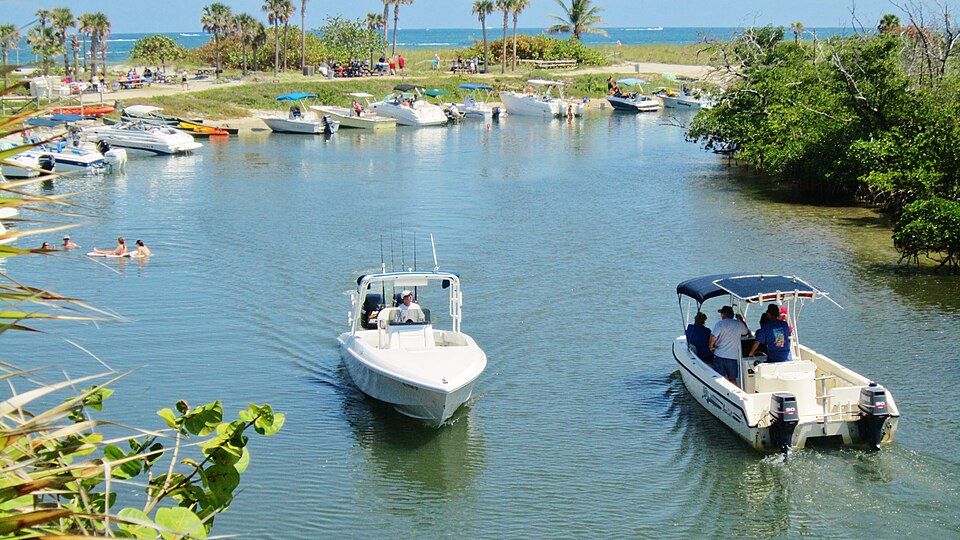

September has traditionally been the peak of the Atlantic hurricane season. But so far, not a single hurricane has formed or landed in the Atlantic.
Meteorologists at the National Oceanic and Atmospheric Administration (NOAA) claim that this phenomenon is impacted by El Niño (Spanish for “little boy”).
What is El Niño? How does it form? How does it affect hurricane season? Let's find out.
An Unusually Strong El Niño
On June 11, NOAA’s National Weather Service announced that an unusually strong El Niño has developed in the tropical Pacific.
Usually, the low-level surface winds—winds that blow just above the ocean’s surface—blow from east to west along the equator, pushing the warm surface water in that direction.
When the winds become weaker, some of the warm water spreads eastward across the Pacific, and El Niño forms. This makes the surface waters of the central and eastern Pacific Ocean warmer than usual.
These changes also affect the Atlantic. Imagine a hurricane as a spiral of clouds spinning upward.
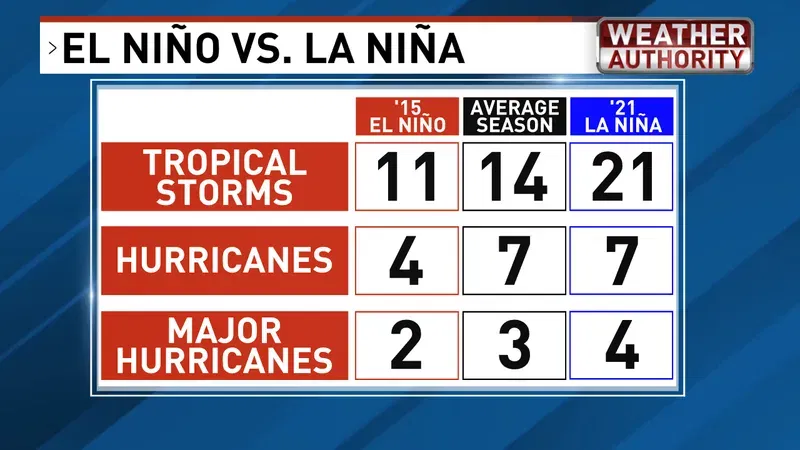
When El Niño makes the higher-level winds blow differently from the low-level winds, the winds break up a hurricane before it takes shape. This is why during El Niño, there are often fewer hurricanes that form in the Atlantic during summer and fall.
However, it does not mean the number will remain zero in the near future. During El Niño years, hurricanes tend to form much faster and close to the Gulf of Mexico or just off the East Coast. Forecasters are concerned that it is harder to predict the arrival of the next hurricane.
Impact on Global Climate
El Niño has also brought scorching weather across the tropical Pacific, bringing headaches to countries in Asia.
China has grappled with El Niño this summer: Hong Kong experienced its hottest day in history on August 9, with authorities forcing companies to reschedule and provide cooling equipment to mitigate harsh working conditions. Beijing and Taiwan adopted maps to help navigate areas swamped with heat and direct their citizens to cool spaces.

In parts of India, there has been almost 50% less rainfall in September. The water shortage will hamper the harvest of rice, pulses, cotton, and maize. The Indian government has encouraged farmers to plant pulses and millets instead, which require less water and ripen faster.
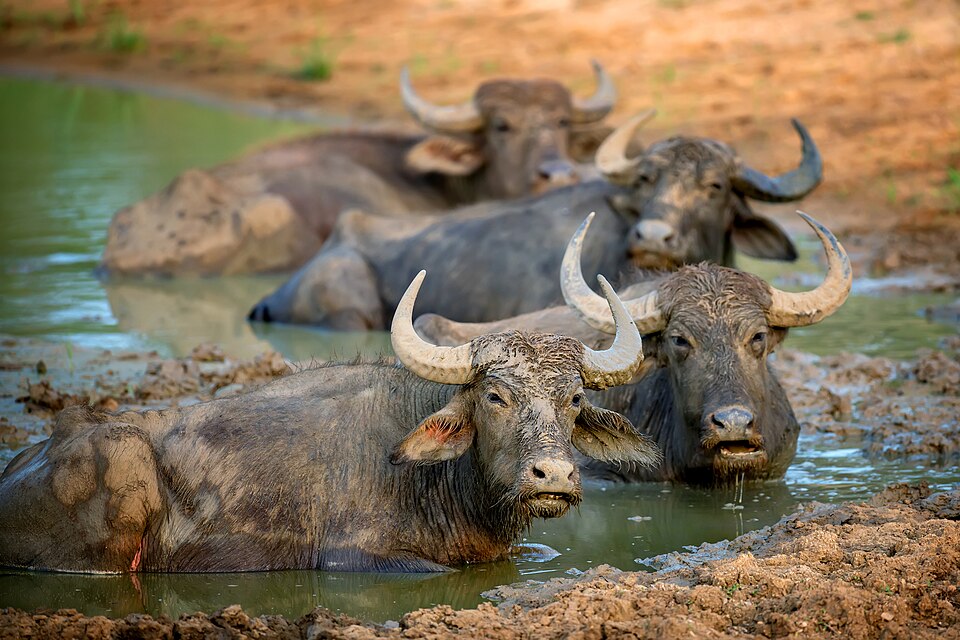
Sri Lanka is experiencing its worst drought in a decade. Officials have to close the Yala National Park and fill the ponds to ensure that the animals living there—leopards, elephants, crocodiles and spotted deer—do not die of thirst.
In south-east Asia, the rice harvest has decreased, leading to an economic crisis. Rice is imperative to people’s diet, and rising prices threaten social stability, especially in Indonesia and the Philippines.
No two El Niño years are the same. Given the unusual strength of this ocean phenomenon in 2026, countries are bracing for impacts.
Sources: NOAA, NYTimes, The Guardian, USGS