

For decades, the aim of nuclear energy has been to create more energy than is consumed.
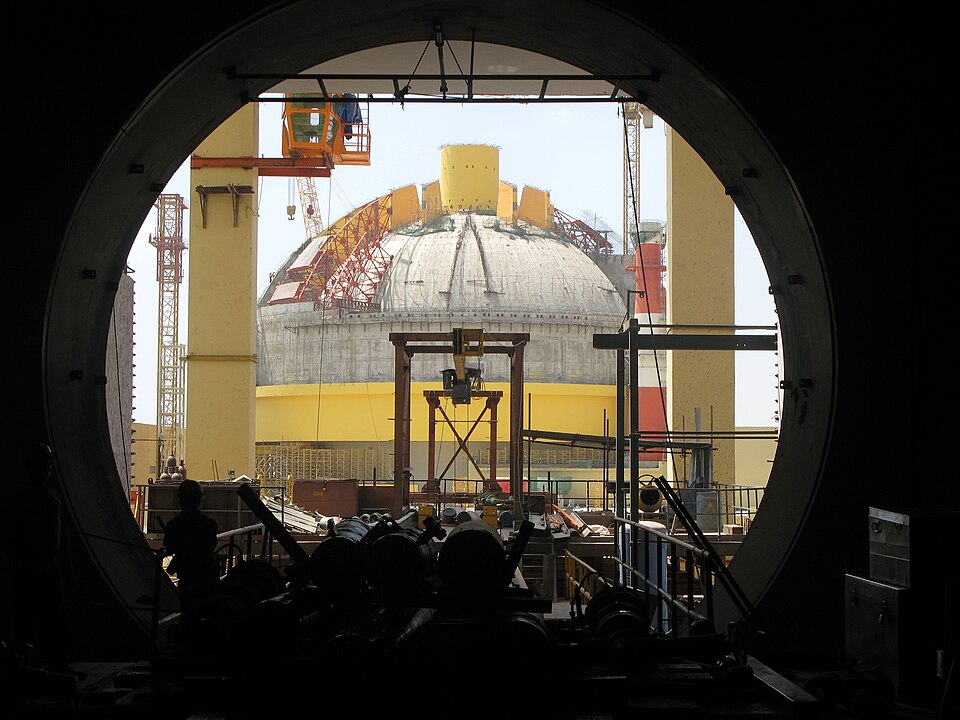
On April 6, India took a monumental step toward that reality. The country announced that its Prototype Fast Breeder Reactor (PFBR) has finally reached criticality -- the stage at which a nuclear chain reaction can continue on its own.
Once the PFBR becomes fully operational, India will only be the second country after Russia to have a commercial fast breeder reactor. This technology represents a significant shift in the energy production sector. Let's first find out what a breeder reactor is.
What is a Breeder Reactor?
Nuclear fission is the process by which heavier atoms are broken down into lighter atoms in a reactor, releasing energy, radiation, and additional neutrons. Conventional nuclear reactors use the uranium 235 isotope (U-235) as fuel, and slow down the neutrons to make fission happen more efficiently.
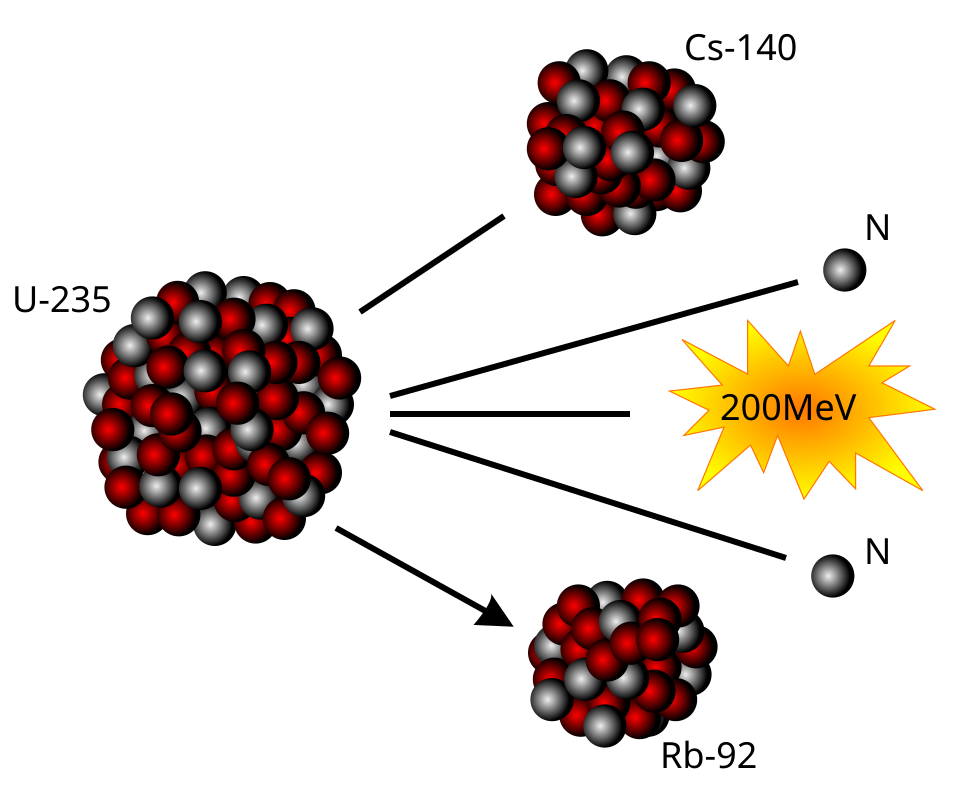

However, uranium occurs naturally as U-238, which is not fissile. A breeder reactor uses the fast-moving neutrons to convert natural uranium (U-238) into plutonium, which can then be used as additional reactor fuel. In some cases, breeder reactors can produce more fuel than they consume.
A useful comparison is that 70% of U-238, the most common fuel for the breeder reactor, can be used for power production, while a conventional reactor extracts less than one percent for use. Also, conventional reactors leave the plutonium as waste, which a fast breeder reactor can use once again.
By converting potential waste into usable fuel, the breeder reactor solves a major sustainability hurdle. However, the current approach developed by Indian scientists takes it a step further, using thorium as input -- a material that is four times more abundant than uranium globally. This drastically increases the potential nuclear fuel produced, and is especially good for India, which holds more than 25% of the world’s thorium.
Looking to the Future
Yet, despite the promise of a sustainable nuclear future, the road to a functional fast breeder reactor is full of issues.
The development of the PFBR in India began in 2004 but was only completed now due to many developmental and technological roadblocks, along with very high costs. In addition, the reactor is only at criticality after all these years, meaning that it is still not ready to supply electricity at full capacity yet.
Despite setbacks, the PFBR remains a great achievement for nuclear energy and represents a significant step in India’s sustainable future. Achieving criticality is not just a technical milestone, but serves as proof of concept for a future of recyclable energy.
As the facility moves towards its full operational capacity, the focus will begin shifting to thorium as the new global standard for energy. For India, the PFBR isn’t just a reactor, but it's the new key to unlocking the potential of India’s vast domestic fuel reserves that could power the nation for generations.
Sources: Al Jazeera, Interesting Engineering, Britannica