
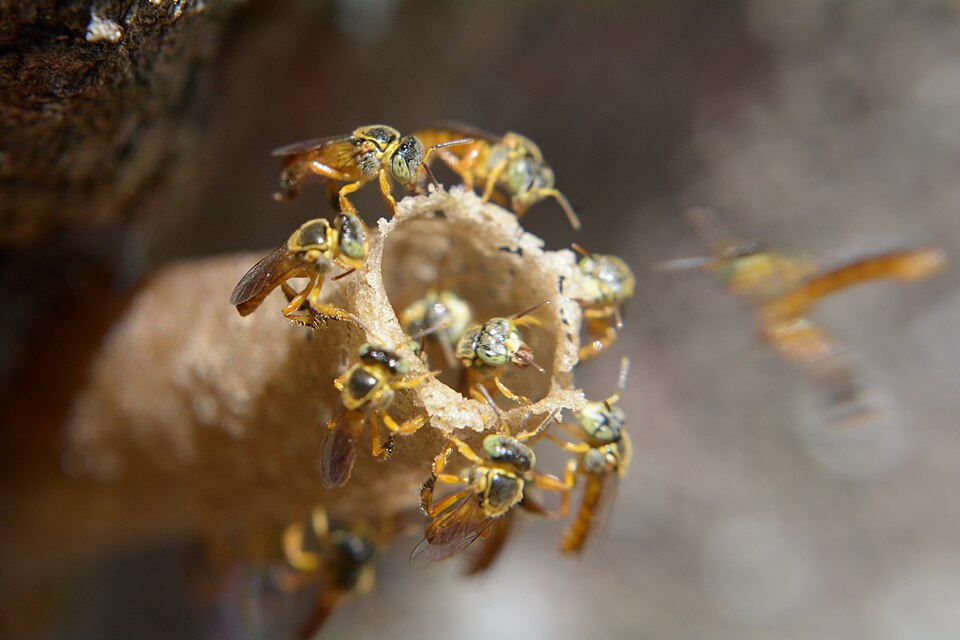

When you think of a bee, you probably imagine a flying insect with yellow and black stripes, and a sharp sting.
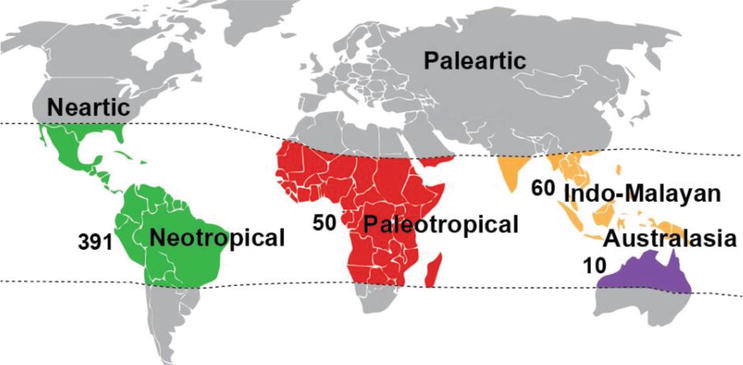
But did you know that there exists a species of stingless bees that are the oldest on our planet? There are over 600 species of stingless bees worldwide in tropical regions, with 175 of these found in the South American country of Peru.
In a landmark legislation, Satipo, a province in central Peru, has recently granted legal rights to stingless bees. Let's find out why.
Cultural and Ecological Role
For millions of years, Peru's stingless bees have played a crucial role in sustaining the ecosystems of the Amazon rainforest, pollinating trees and crops such as cacao, coffee, and avocados. The honey they produce is not only flavorful but also has medicinal value.

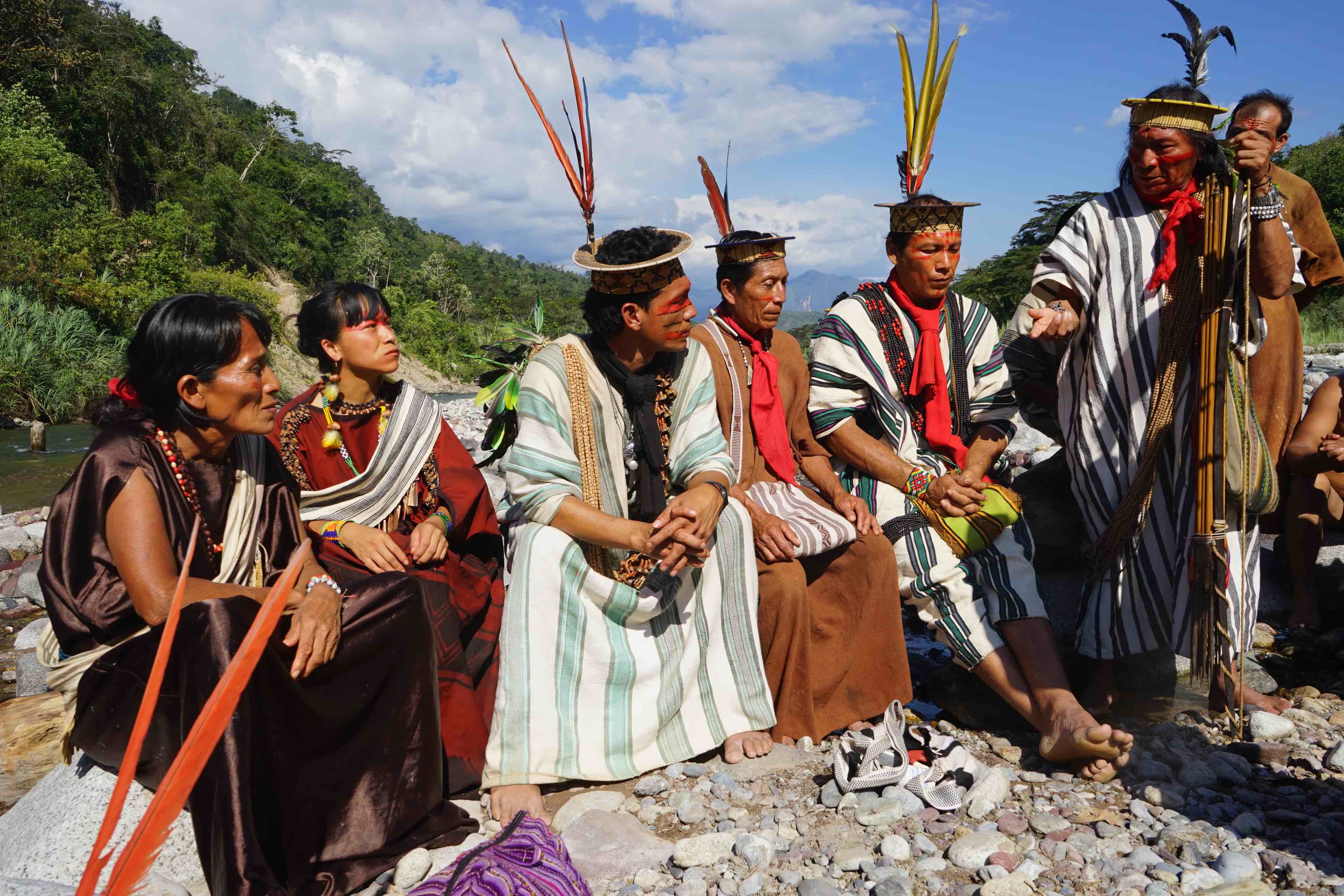
At the same time, these bees hold deep spiritual and religious meaning for the Indigenous Asháninka and Kukama-Kukamiria peoples, who view them as an integral part of their relationship with nature.
Because of their immense ecological and cultural value, the new legislation ensures stingless bees have the right to thrive and grow in population in their native habitats. Most notably, they can be legally “defended” in court if these rights are violated. Just like us human beings.
This recognition is part of a broader global movement to extend legal rights to non-human species. For example, in 2023, Panama passed a law granting sea turtles legal rights. This action was influenced by the Indigenous Guan people’s belief that sea turtles carry the spirits of their deceased relatives.
Threats To Survival
Stingless bees face a growing number of environmental threats. Pesticides, climate change, deforestation, and competition from invasive European and African honeybees have all contributed to their decline. Rising temperatures are pushing the bees toward cooler areas, while increasing wildfires and illegal logging continue to destroy their habitats.

In response to these threats, Indigenous scientist Rosa Vásquez Espinoza started advocating for their protection. She, along with her colleagues, worked to raise awareness both within Peru and internationally, including with the International Union for the Conservation of Nature (IUCN).
Her effort eventually gained international recognition, and in September 2025, Espinoza was awarded the Al Fozan International Prize for her contributions to addressing urgent global challenges.
Espinoza shows us the power of individual action. She is dedicated to educating the next generation on sustainable beekeeping, as well as helping communities make a living by selling medicines made from bees' honey. In a modest primary school classroom, she and her colleagues share their research and findings about the stingless bees. As a result, a petition to make the law nationwide in Peru now has 388,000 signatures.
Sources: Guardian, Smithsonian, Inside Climate News