
This year, Punxustawney Phil, the groundhog legend of Punxsutawney, Pennsylvania, woke up on a chilly Monday morning, startled by his own shadow. Thanks to Phil, the rest of society woke up to six more weeks of winter.
Across the United States, six more weeks of winter have shown themselves differently. While a brutal cold swept across a handful of locations across the East and Midwest, the West Coast saw some of the warmest winters to date in around 150 locations.
Many of you might have most likely noticed that the weather has become awfully warm in recent months. So the real question is: has spring sprung too fast?
Scientific Explanation
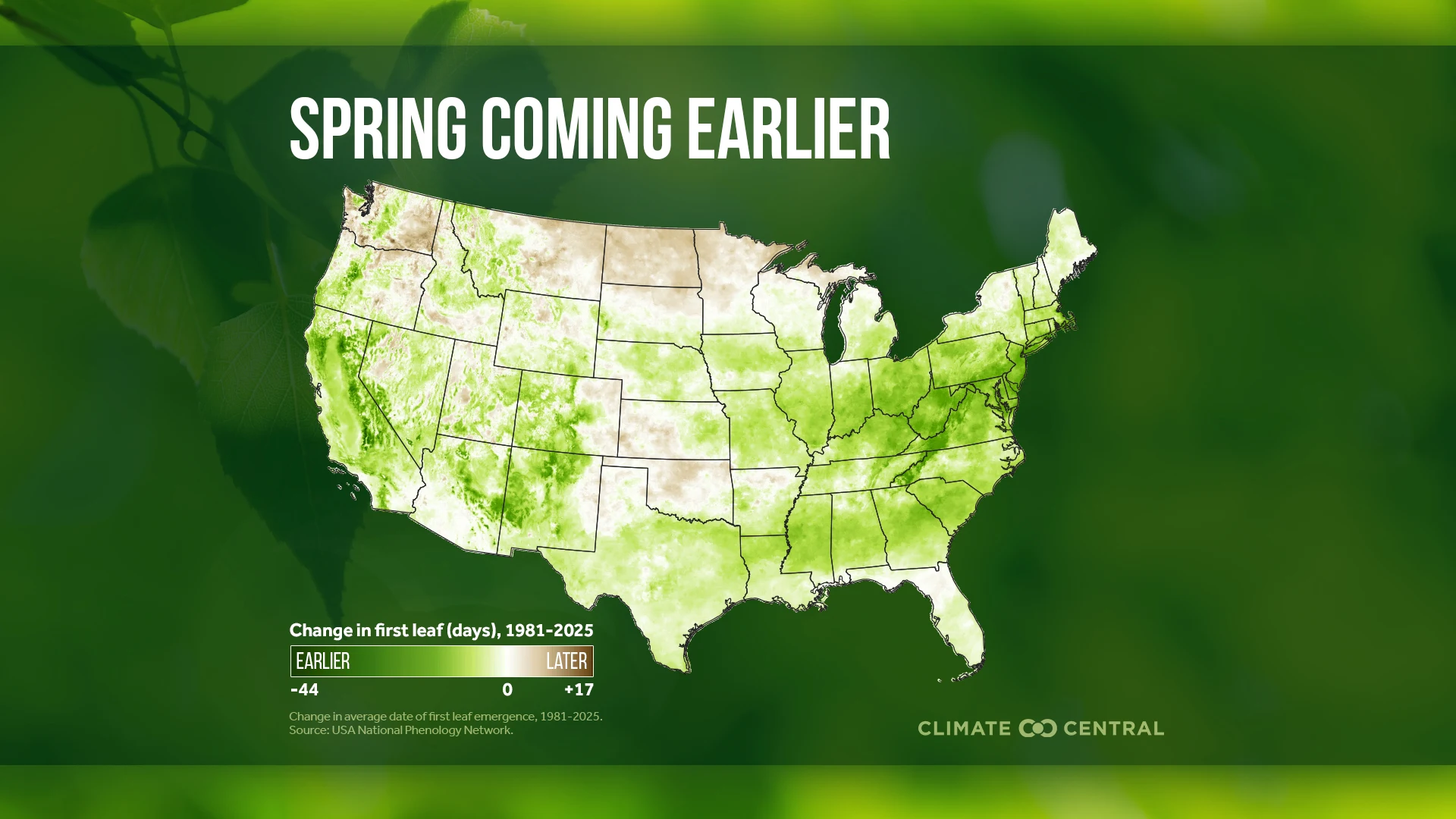
However, scientists don’t rely on groundhogs wearing tiny weather hats (sorry, Punxsutawney Phil!). Instead, they study phenology, the science of tracking seasonal changes in plants and animals.
The most noticeable clue of spring’s early arrival this year is the temperature changes. By examining weather records collected over many years, scientists observe that winters are becoming shorter and spring temperatures are arriving earlier.
When it gets warmer earlier, plants respond by blooming ahead of schedule. Plants also have more time to produce pollen and release it, greatly affecting those with seasonal allergies.
Ecosystem Impacts
The ecosystem gets disrupted, as birds, which are heavily reliant on seasonal changes to guide their migration patterns, have been migrating too early. Not only are they missing out on the time when food such as insects and flowers is most abundant, but they also fall out of sync with a variety of insect and flower species.
Farmers have been particularly impacted by this weather change; however, row crop farmers have adapted with new technology to combat this change. Although seed treatments allow crops like soybeans to be planted earlier and grow for longer, bugs have been more abundant with the warmer temperatures, which harms non-GMO crops specifically, as they do not have the traits to combat these changes.
So what is to blame for this change in temperature? Climate change.
Sources: CNN, Grist, Climate Central