
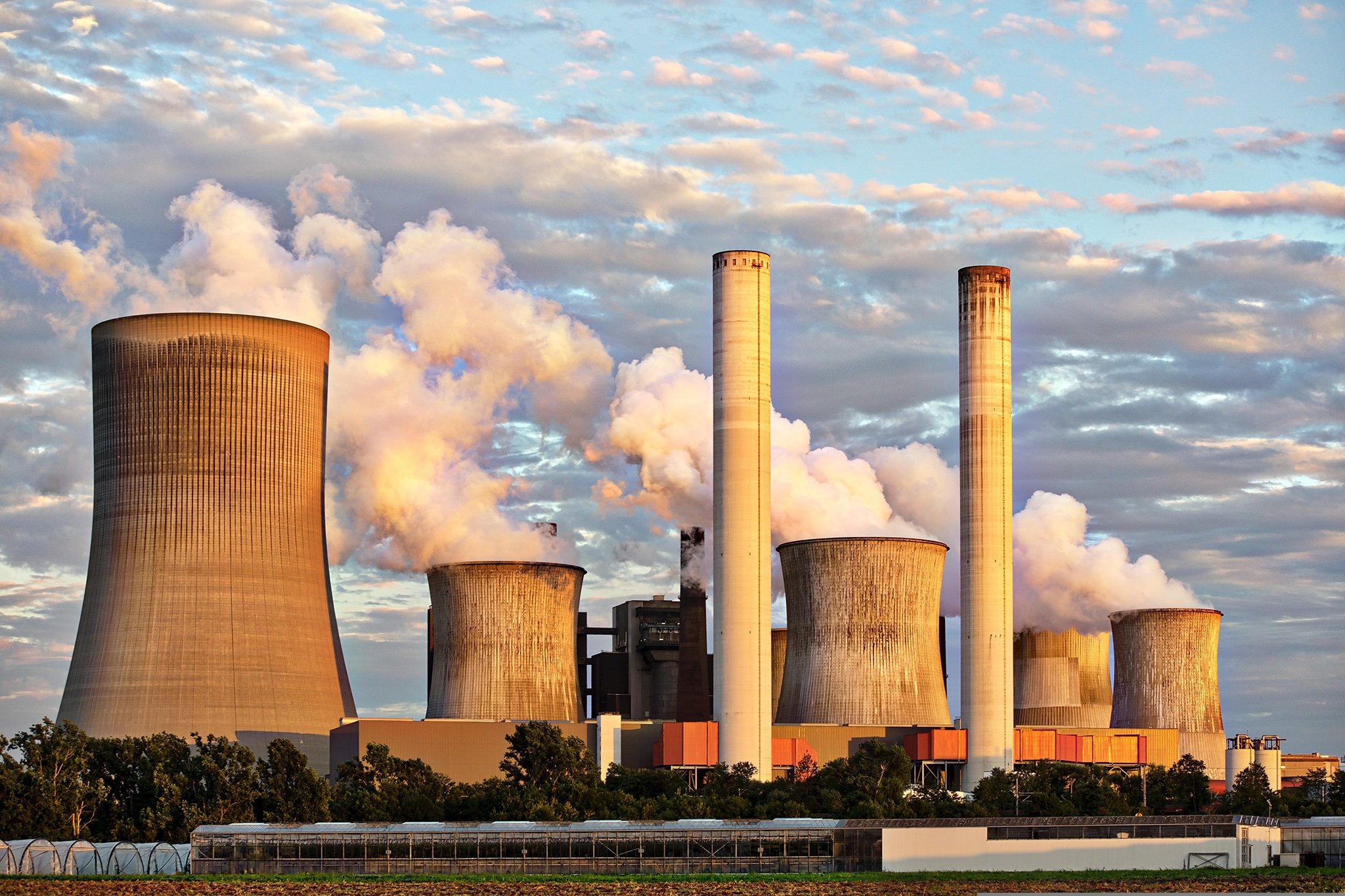
A new law in Utah is changing how courts handle climate change responsibility.
In March 2026, state lawmakers passed a bill that protects fossil fuel companies from certain lawsuits related to environmental damage.
This decision has sparked heavy debate across the country, and other states are left questioning whether they would consider similar actions.
Some leaders claim that this protects key industries, such as oil and gas. Others argue that it makes it harder for communities to hold those responsible for disasters accountable.
What Is The Law About?
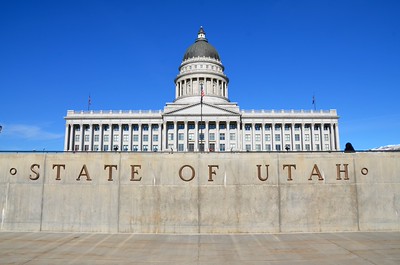
This law, known as Utah HB 222, creates a legal “shield” for fossil fuel companies. This means for cities, states, and individuals, suing these companies for their damages linked to climate change, such as floods or wildfires, would be almost impossible.
Across the U.S., some lawsuits say that oil and gas companies heavily contribute to environmental change and mislead the public about the risks. These cases aim to recover money to help cover the costs of damage caused by extreme weather events.
However, this new law would altogether block those claims in Utah courts. Supporters of the law argue that climate change is a global issue, but critics point out that this law removes accountability and limits the power of local governments.
Past Similarities
This type of legal protection has been used before. Gun manufacturers have laws that limit lawsuits when their products are used in crimes. Additionally, tobacco companies have spent years trying to avoid responsibility for the health effects of smoking.
Experts say fossil fuel companies are now using similar strategies. Iyla Shornstein, political director at the Center for Climate Integrity, says they are “borrowing from the gun industry’s playbook”, highlighting that the law would stop lawsuits before they even begin. These examples show how industries work to avoid costly legal battles to protect their profits.
Future Impacts
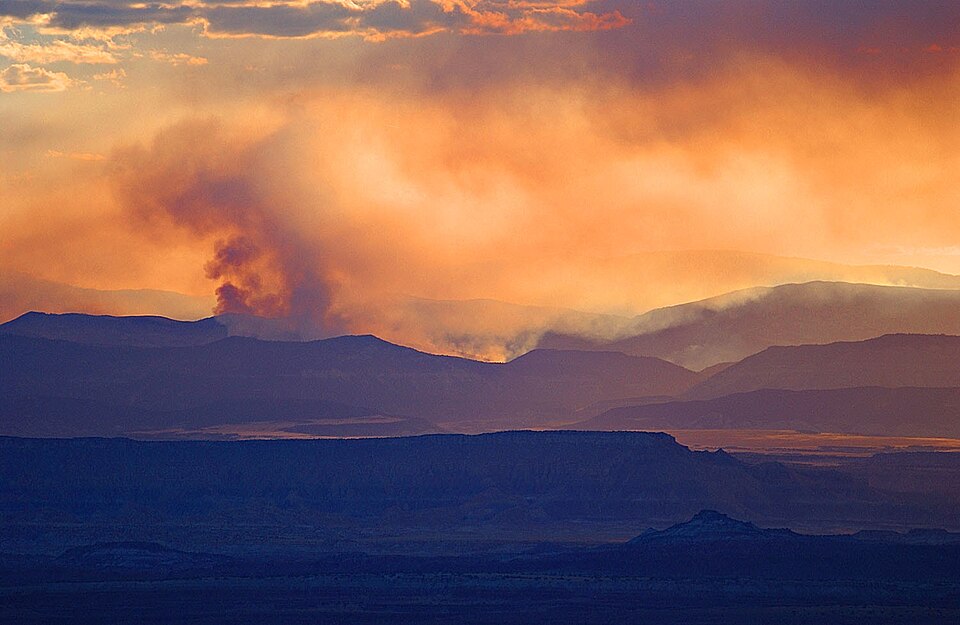

The law could have major impacts. Communities facing climate disasters will have a difficult time finding ways to recover the costs of damage, meaning taxpayers would have to cover more of the rebuilding efforts. This could be especially difficult in smaller areas with limited resources.
While supporters of the law believe it will protect jobs and prevent blame on energy companies, environmentalists pay attention to the risks that it could slow efforts to address climate change and reduce pressure on companies to find safer practices. They worry the law prioritizes profit over holding polluters responsible for the climate effects on communities.
Utah’s new law reflects growing debates about climate responsibility. How should fossil fuel companies be treated under the law? Should they be protected or held liable? We've seen this approach in the past, and the effects could change how governments and communities handle climate challenges in the future.
Sources: NY Times, Mother Jones, UCS, ClimateIntegrity.org