
A conflict happening halfway across the world is often ignored. But when it starts stealing food from the dinner tables of billions of people, people all begin turning their heads.
On March 2nd, after many military strikes led by both the US and Israel, Iran closed the Strait of Hormuz -- a strategic waterway.
Since then, many ships passing through have been fired upon, and thousands have been left stranded. With at least 1800 people killed in the war so far, the gravity of the situation is evident. But how does one channel in the Middle East interfere with global food markets?
Background: Strait of Hormuz
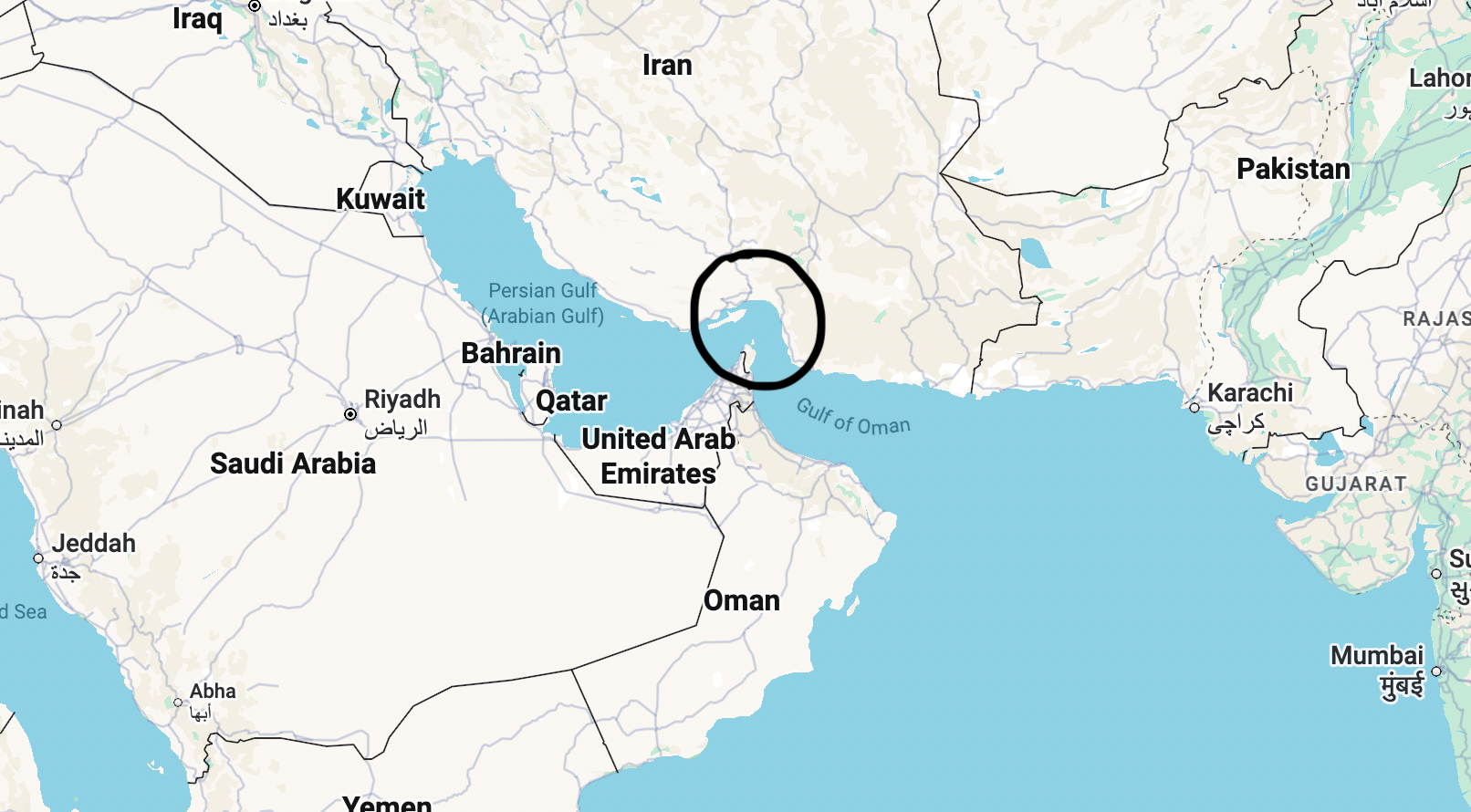
The Strait of Hormuz is a narrow channel connecting the Persian Gulf and the Gulf of Oman, vital for transport. Though only 21 miles wide at its narrowest point, the world’s energy and food security pass through this point.
The Strait is so important that it ranks in the top 20th percentile of global transportation corridors. 20% of the world’s oil and LNG (liquified natural gas) passes through here. After the Strait closed, the shock was instant, as oil prices soared from $65 to $100 per barrel.
But the crisis is not just about oil; it's about the food on our plates.
The Connection To Food
Did you know that nearly four billion people rely on synthetic nitrogen fertilizers to keep their crops growing? The Gulf country of Qatar is the largest producer of LNG, an essential ingredient in nitrogen fertilizers, including urea.
Currently, one-third of global nitrogen fertilizers and one-half of the world’s sulfur (used for phosphate fertilizers) passes through the strait. But after its closure, the supply of such fertilizers is trapped behind the blockade.
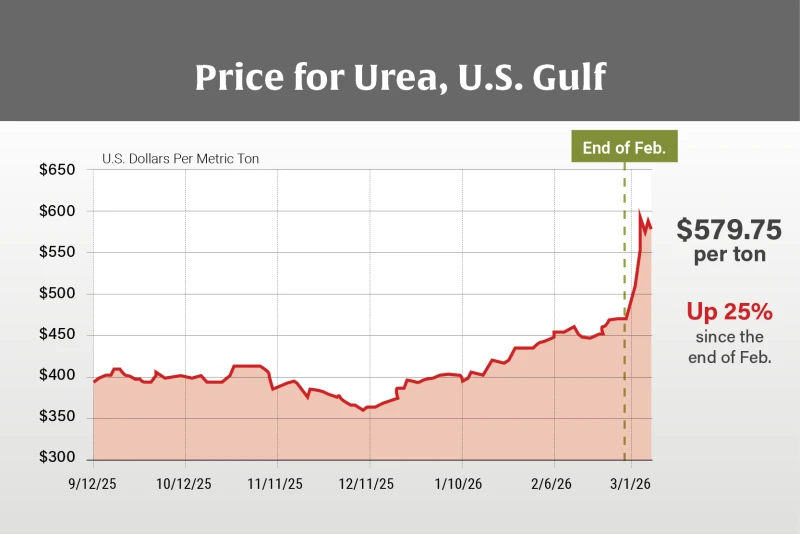
This blockade couldn’t have happened at a worse time. Spring planting season in the Northern Hemisphere, a critical time for farmers, is drawing near. With less supply and even higher demand, fertilizer prices are spiking. Due to these high prices, farmers are forced to ration their fertilizers, but less of these essential nutrients means less agricultural output.
A potential food crisis is more concerning than the oil crisis because of a lack of backup reserves. Many wealthy nations, like the US, Japan, and China, keep strategic reserves of petroleum. This backup supply of oil is essential for emergencies. However, there’s no global reserve for fertilizer, which is usually produced and shipped for the planting season.
The conflict in Iran has done more than raise gas prices; it has exposed how vulnerable our way of life really is. By blocking one narrow channel, the world’s most basic need -- food -- has been put at risk. Though the closure may be short-lived, its consequences will live through the year, affecting agricultural production and fuel supply globally.
Sources: Grist, BBC, Energy.gov, NBC, CSIS