
Your balcony is no longer just a place you place old chairs and dead plants on. It can be home to solar panels that generate electricity!
In September 2026, California’s governor, Gavin Newsom, officially passed a law allowing special plug-in solar panels on balconies.
How Do They Work?
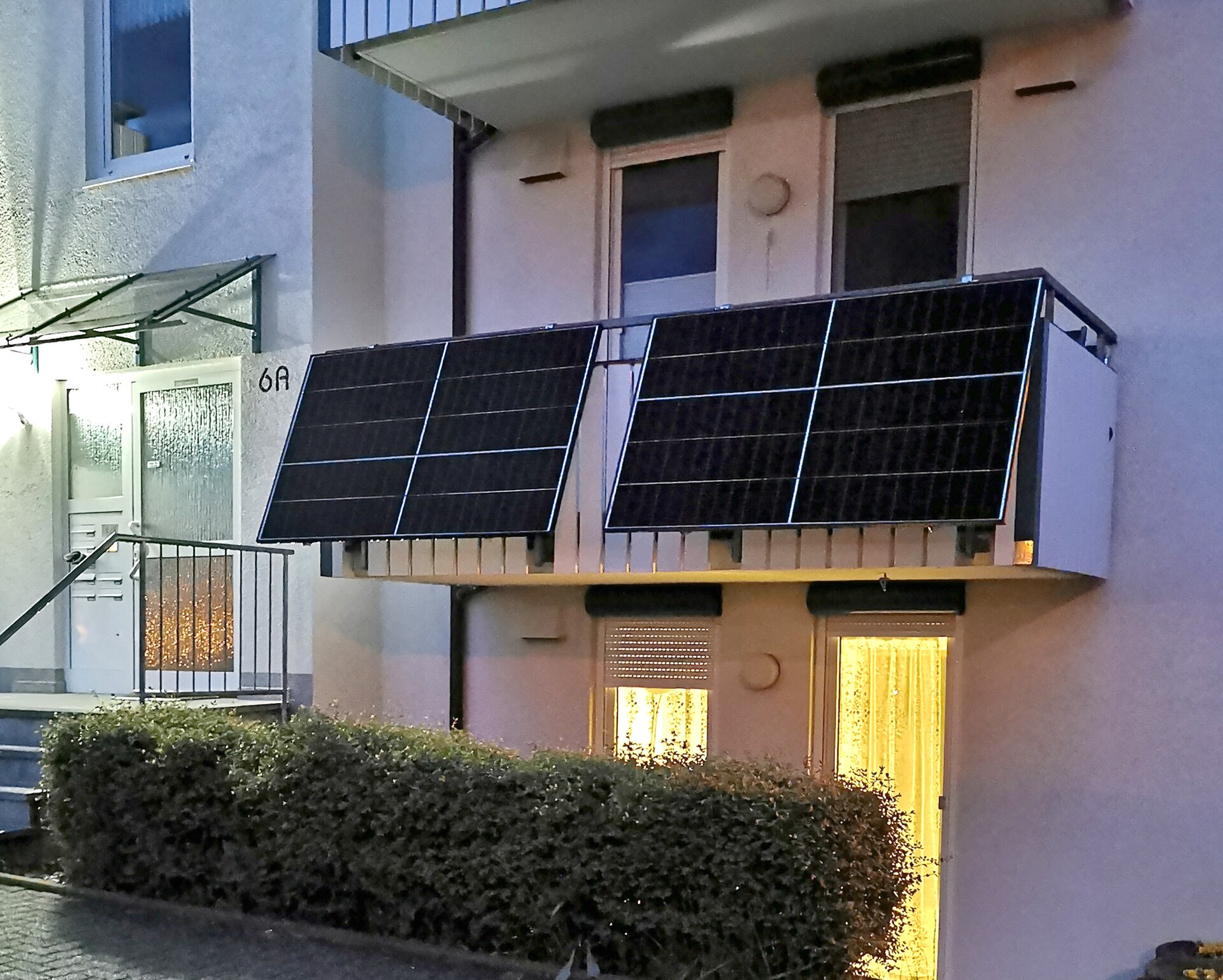

Solar panels convert energy from the sun into usable electricity for your house and its appliances. Using devices called inverters, solar panels convert direct current (DC) into alternating currents that your houses can use (AC).
We are familiar with solar panels on rooftops. Now, smaller solar panels can be placed on your balcony or in backyards, and plugged into a home's electrical circuit. This is especially beneficial for renters who now have more ways of generating their own electricity.
The installation does require a few more steps to ensure proper safety. Prior to this law, connecting small solar systems to the grid involved complicated paperwork and fees. But California's new law makes it far easier to use plug-in solar panels without the usual utility approval process.
Plug-in solar (also known as balcony solar) systems are popular in Europe, especially Germany. They are not getting attention in the U.S. Utah became the first state to pass legislation allowing plug-in solar in March 2025, and since then nine other U.S. states have followed suit.
How Effective Are They?
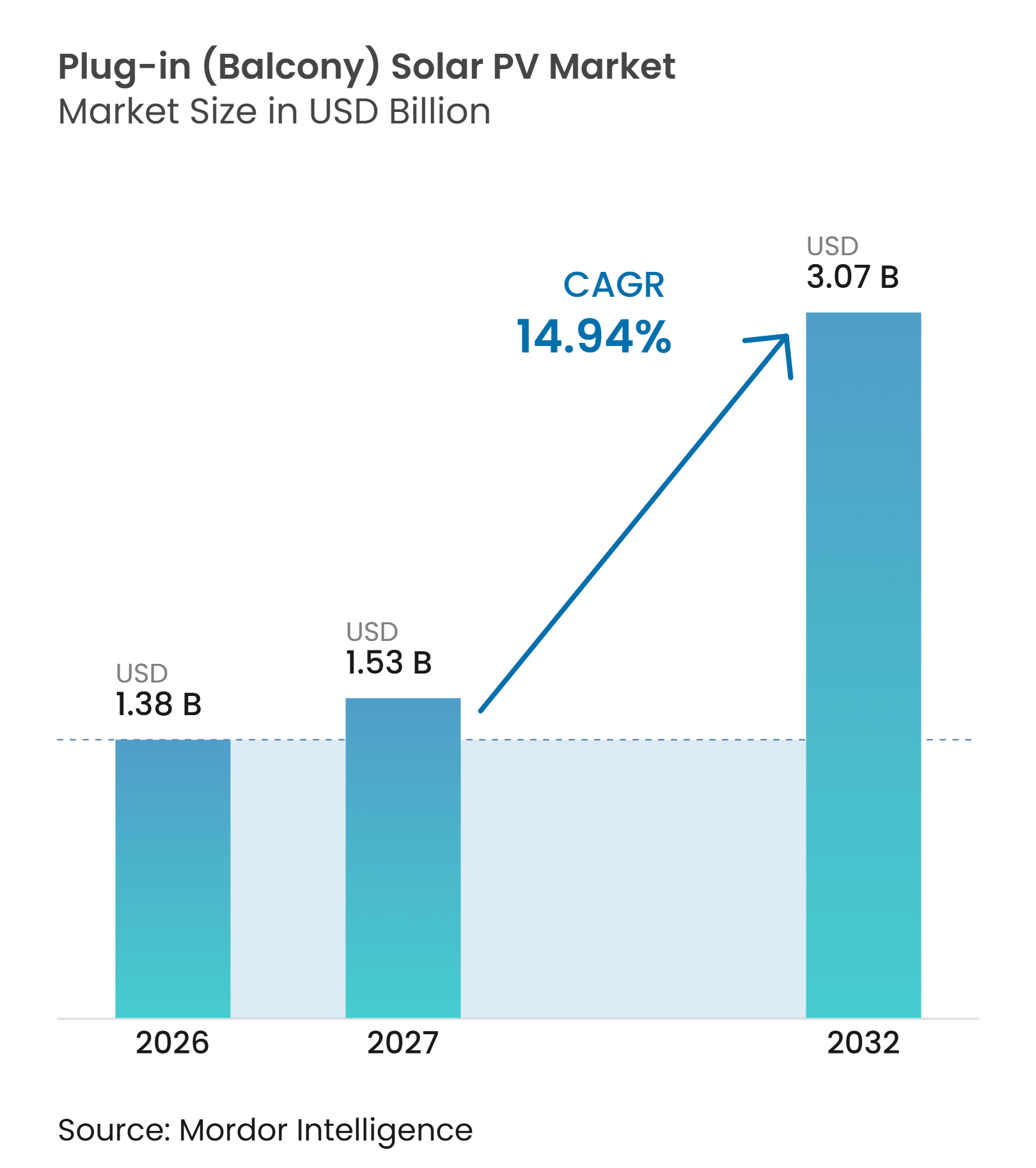
Balcony solar panels can meet up to 20% of a home’s electricity needs and be used to power household appliances, helping reduce monthly electricity bills. Some systems could even save households up to $500 per year, depending on their setup and electricity use.
On a larger scale, these panels reduce the demand on electrical grids and our reliance on fossil fuels. They are a cleaner option and powered by the Sun, a renewable source of energy.
Not every balcony will work as well as expected, however. The placement of the panel is crucial to its functionality. Some less than ideal locations include shady balconies and those facing away from direct sunlight. Additionally, the cost of the panels may be a challenge for some families. Despite its limitations, balcony solar offers residents an opportunity to access renewable energy without needing a giant rooftop.
California balconies are changing the future from holding flowerpots to powering new life. Not bad for a piece of concrete with a railing!
Sources: Grist, KQED, Energysage, Renewable Energy Hub