
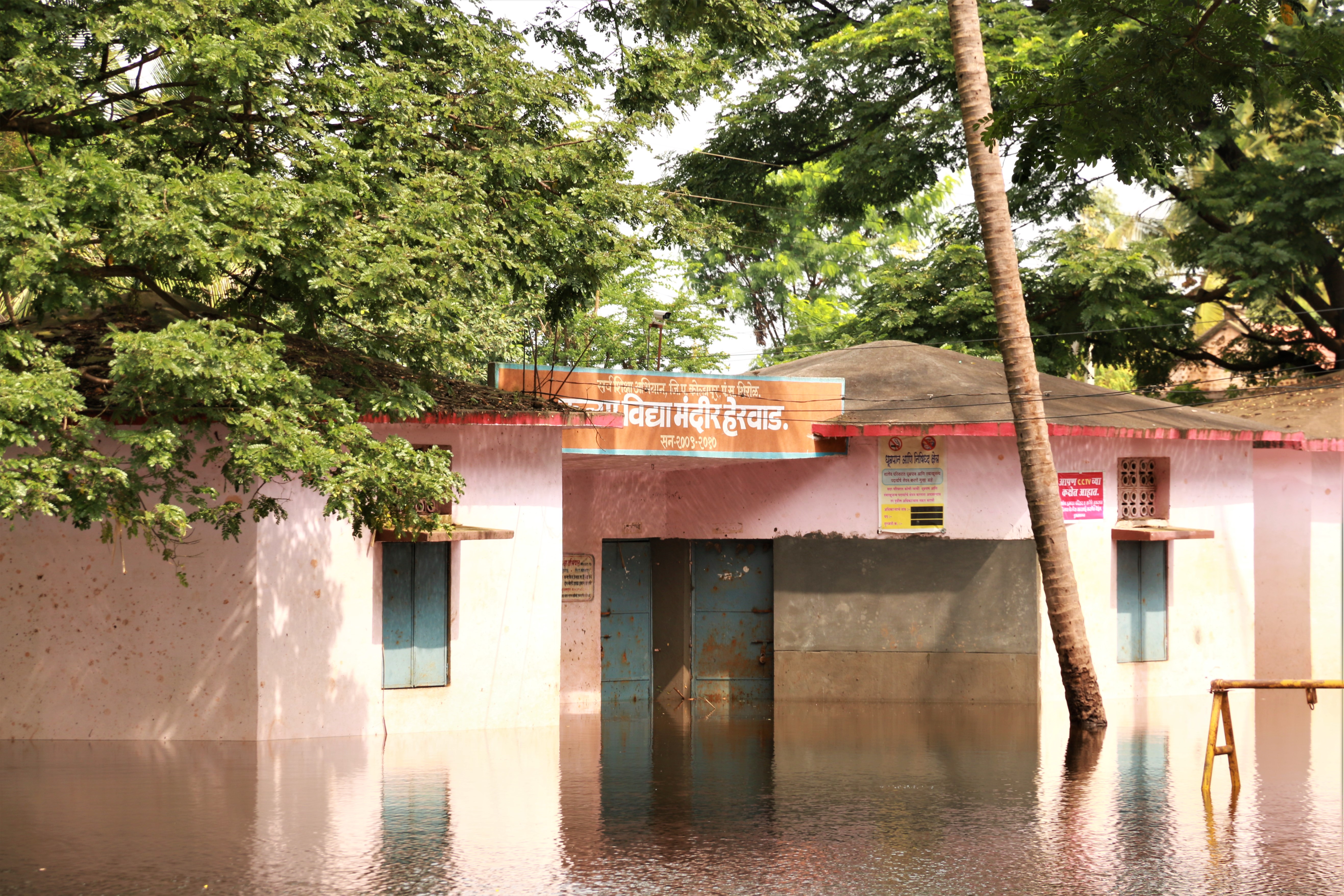

When we think of school, oftentimes, we think of the long hours in which we are stuck in a classroom... just waiting for the bell to ring.
But we forget how privileged we are to be able to go to school without our education compromised by things we cannot control -- especially the climate.
According to a UN study released in 2026, 1 in every 10 students -- about 171 million students -- from pre-primary through upper secondary grades have had their education disrupted by natural disasters. Approximately 75% of these students live in low- and lower-middle-income countries, which widens inequalities and costs US $200 billion in lost income.
Climate Shocks vs. Climate Stresses
UNICEF tells us there are two main types of stresses when it comes to climate hazards: Climate shocks and Climate stresses.
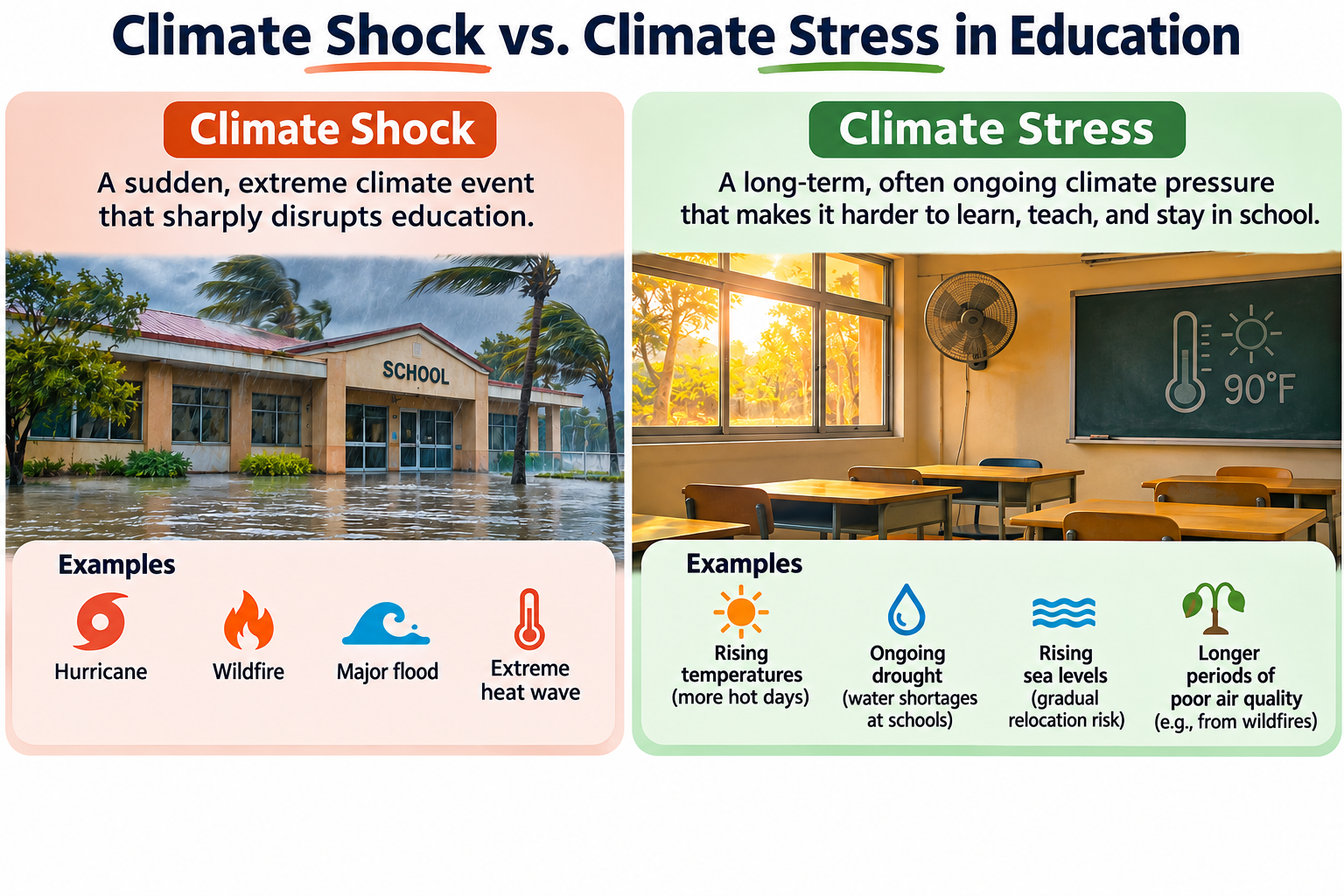
Climate shocks are intense and include sudden events such as floods and storms. Climate stresses, such as droughts or extreme heat, are more long-term and impact people's livelihoods, food security, and freshwater sources.
Shocks and stresses both affect students' education differently. Climate shocks can cause sudden school closures, damage to educational infrastructure, and displacement. On the other hand, stresses could gradually weaken student attendance, learning, and access to basic needs.
Impacts Of Natural Disasters
Storms are a major contributor to the crisis, with approximately 109 million students experiencing school disruptions.
- In the Caribbean, student education has been affected by Hurricane Melissa, which disrupted the education of more than 3.3 million students across the island groups. This hurricane added more pressure on the already vulnerable education system.
- As of June 2026, these disruptions remain, with more than 600 primary and secondary schools still damaged, and hundreds of early childhood institutions also affected. Due to these interruptions to education, many students are only able to go to school 2-3 days a week.
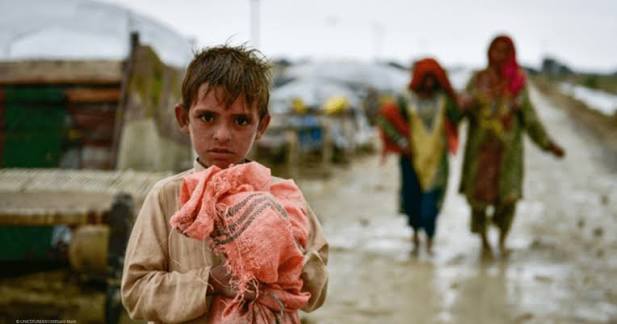
Floods have affected the education of 70 million students globally.
- In Pakistan, monsoon flooding kept more than 28 million students from attending school, and students were unable to return to school in August as scheduled, further delaying the end of summer break.
- Niger was forced to postpone the start of the 2025-2026 school year by two weeks due to unsafe conditions created by flooding. This impacted the education of 4 million students and was also the second school year in a row where flooding disrupted student education
Finally, heatwaves have impacted 50 million students worldwide.
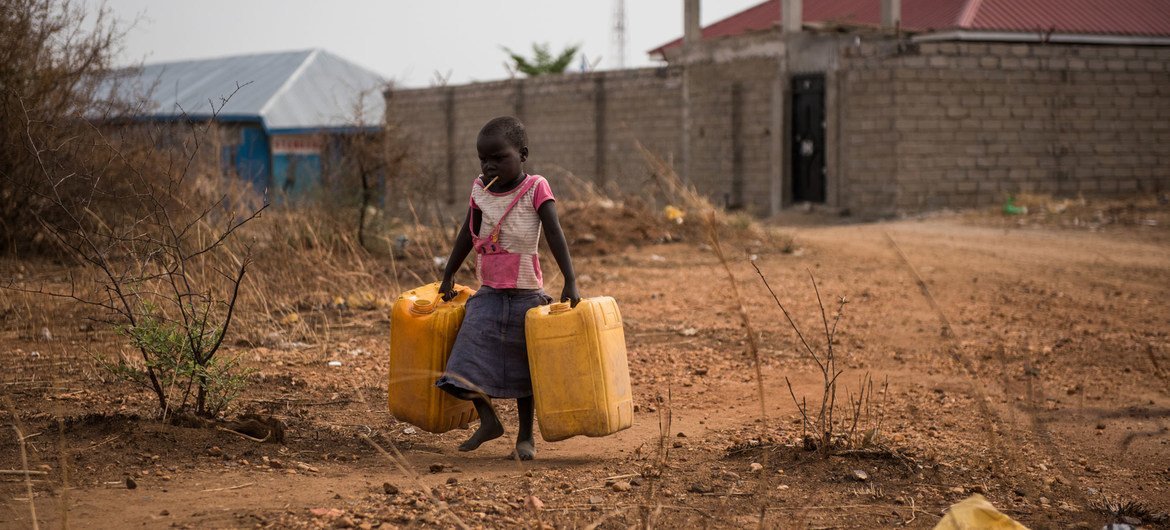
- In South Sudan, extreme heat conditions have caused health hazards for students, with children passing out in classrooms, forcing the education system to implement a nationwide school shutdown.
- More than 2.8 million school-age children are out of school, and more than half of the country’s schools lack proper classrooms, trained teachers, proper resources, and sanitation facilities.
- Girls can face additional barriers to education, specifically in countries where child marriage and gender-based violence are widespread. UNICEF reports that nearly half of girls in South Sudan are married before adulthood, while 65% of girls and women aged 15–64 have experienced violence (UNICEF, 2026). These preexisting challenges can make it harder for girls to return to school after climate-related disruptions, further widening educational inequalities.
When students miss out on classes, learning is rushed, and education is compromised. Gaps in education can impact opportunities, making it harder for young people to find jobs and provide for their families. Over time, this impacts a country's workforce and economic development.
UNICEF is calling for action to mitigate the education crisis by working with governments, communities, and their partners to protect the educational system and student learning. Climate disasters should not deprive a whole generation of the education they deserve.
Sources: UNICEF, AL Jazeera