
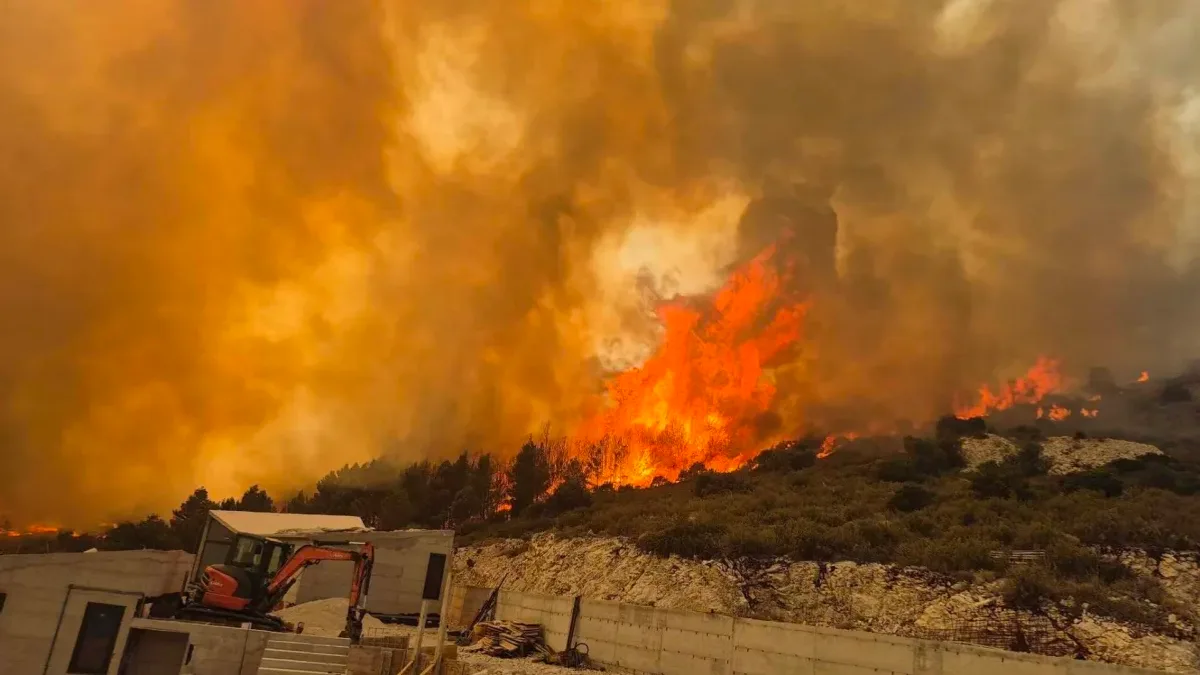
In September, a wildfire on Croatia’s Adriatic island of Brač forced nearly 700 people to evacuate as flames spread everywhere.
Many people waited on the beach to be rescued, escaping by boat. Ultimately, the fire burned about 3,500 hectares of land, damaging homes, businesses, forests, and vegetation.
The wildfire was not an isolated event, however. Across the world, a summer of dangerous heat has caused many wildfires and other cases of extreme weather.
Summer Temperatures
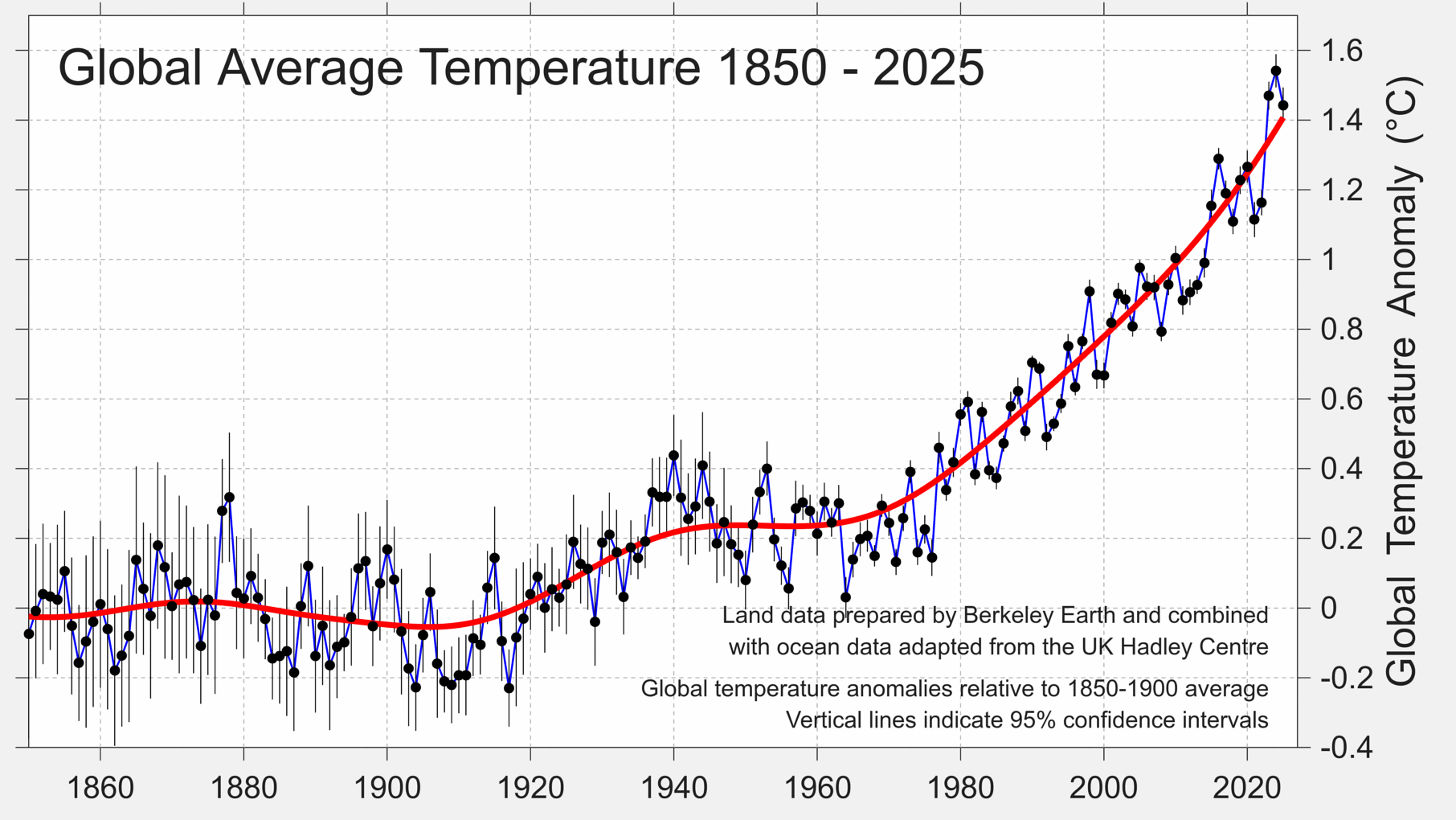
Did you know this summer was one of the hottest on record? In August, the average temperature globally was 62.43 degrees Fahrenheit, just a little higher than the global record set in July 2023!
From the United States to Europe and other parts of the world, people experienced extreme heat and wildfires. In the U.S., wildfires in British Columbia, Canada, brought smoke to cities from Minnesota to the East Coast. Millions of people experienced unhealthy air, with cities like Detroit and Chicago briefly having some of the worst air quality in the world.
In Europe, extreme heat waves have spread wildfires in countries like Spain, France, and the United Kingdom. Other parts of the world have dealt with flooding and other extreme weather.
The significance of this summer’s heat goes beyond the unusually high temperatures. The record-breaking heat signals the effects of rising global temperatures. For people living in affected areas, the summer season of relaxation also became one of caution and danger.
Heat Sparks Wildfires
Extreme heat makes wildfires more dangerous. High temperatures and low rainfall cause trees, grass, and other vegetation to become very dry. This makes it easy for fires to start and even easier for them to spread. Heat also increases evaporation, making the dry conditions worse.
Rising temperatures also impact different types of extreme weather. Warmer air holds more moisture, resulting in extreme rainfall. Several regions around the world have experienced extreme rain, flooding, or severe storms.
With a strong El Niño brewing in the Pacific Ocean, scientists estimate that 2027 will likely beat 2026 as the warmest year on record. Temperatures could potentially reach 3.2 degrees Fahrenheit above the pre-industrial level, according to Earth scientist Zeke Hausfather.
These events make it clear that extreme heat is far more than an inconvenience. Countries will need to prepare to avoid adverse impacts on vulnerable communities and ecosystems.
Sources: NPR, DW, CNN