
Is it possible to brighten the night sky? This question has hovered over engineers and entrepreneurs for more than a century.
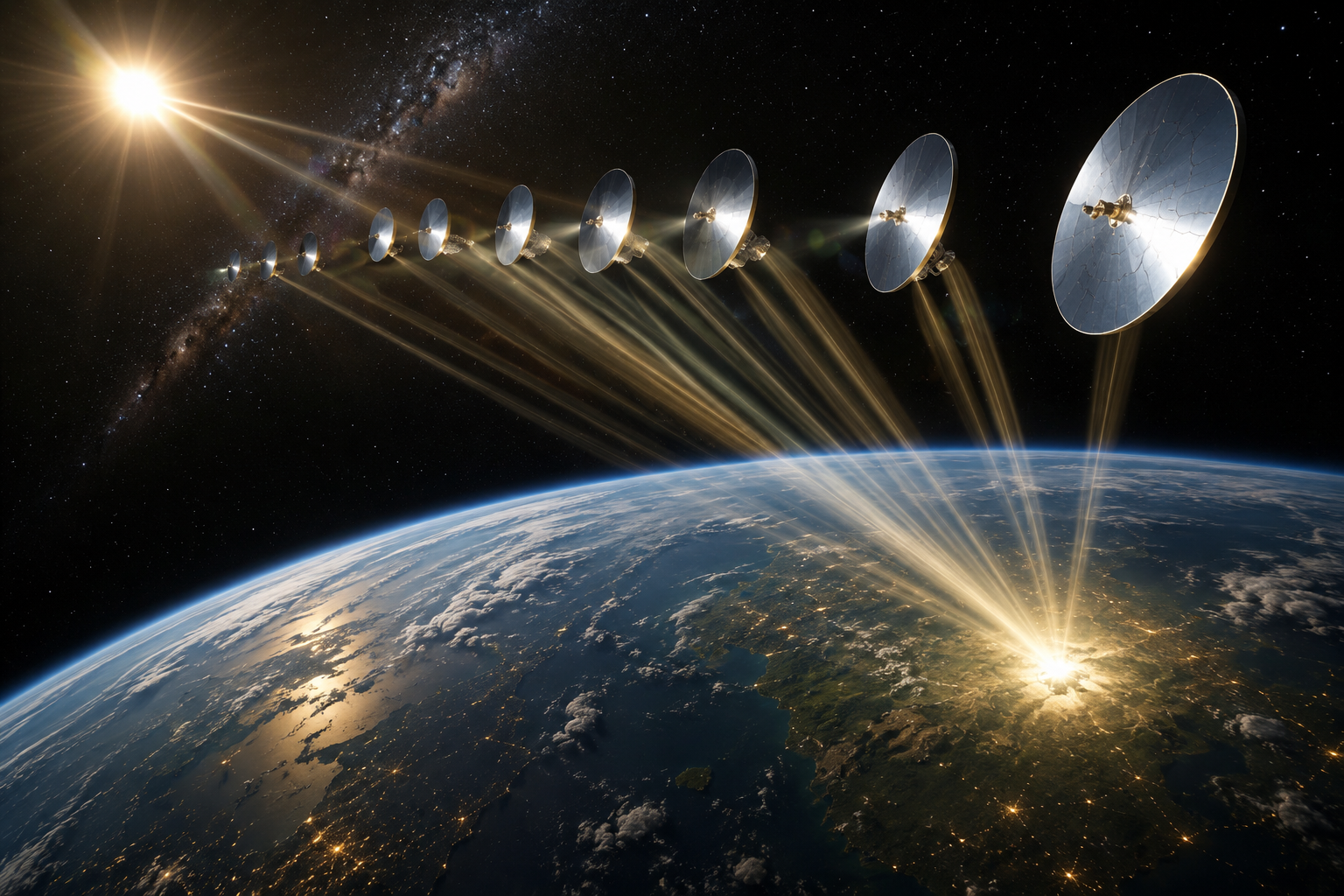
A California-based company named Reflect Orbital recently announced its intention to deploy more than 4,000 solar reflectors—essentially giant mirrors—into space, so solar power plants can continue generating electricity after the sun goes down.
The mirrors are 60 by 60 feet (18 by 18 meters) in size. Once implemented, they will together form a beam that is four times brighter than a full moon, covering a range of 60 miles (97 kilometers) on the ground. These mirrors will be carried by satellites circling the Earth.
While this sounds like a clever way to generate sustainable power all day long, experts are concerned about the consequences it might bring to the environment and our health.
Concerns on Land

Like all animals, humans have an internal “body clock” called a circadian rhythm that tells us when to wake up and sleep.
When the sun comes out, we wake up; when the day becomes darker, our bodies produce a hormone called melatonin that makes us sleepy. If it is bright even at night, our body does not know whether it is day or night, potentially interfering with our sleep schedules.
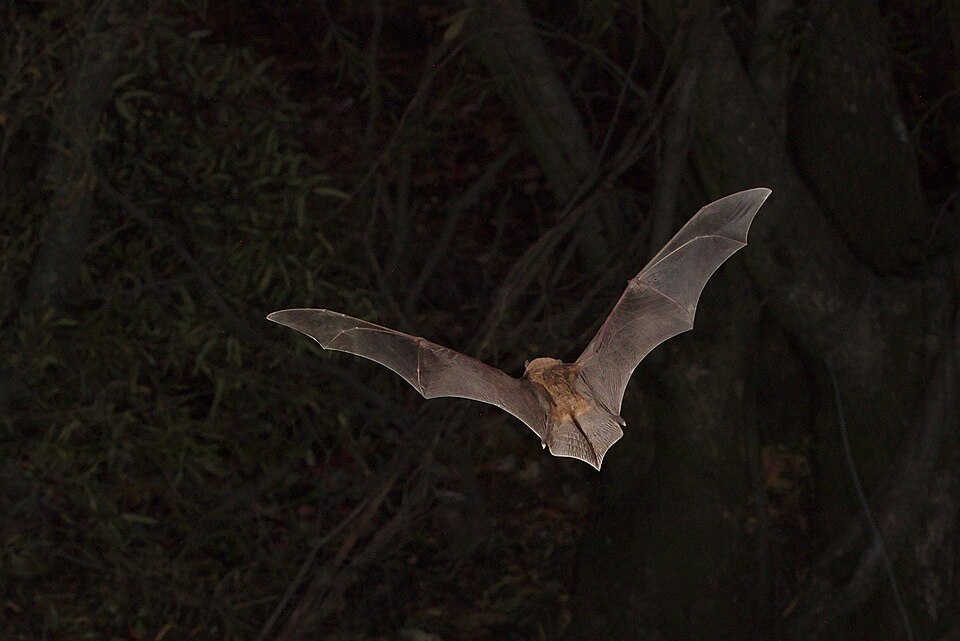
For nocturnal animals—such as bats and some insects—brightness at night can disrupt their hunting and foraging activities. Additionally, these mirror-satellites will appear as very bright stars in the sky, which can confuse migratory birds that use the stars to navigate during their long journeys.
Concerns in Air and Space
Astronomers have also warned of the negative effects these mirrors will bring to astronomy research and high-altitude tasks. Research telescopes require a really dark sky to detect distant stars and galaxies. If a beam of reflected light passes over an observatory, it could "blind" the equipment.
Furthermore, if an astronomer accidentally looks directly at the reflected light through a telescope, it could cause severe eye damage. Pilots could also be temporarily blinded when flying through the illumination range, which could lead to dangerous situations.
Are Mirrors Really Useful?
Scientists are questioning whether the method is actually effective in providing more sunlight.
Because the mirrors will be placed in space nearest to Earth, they move quickly across the sky, with each illuminating a specific area for only a few minutes. Continuous lightning needs multiple working together, which is expensive and difficult to manage.
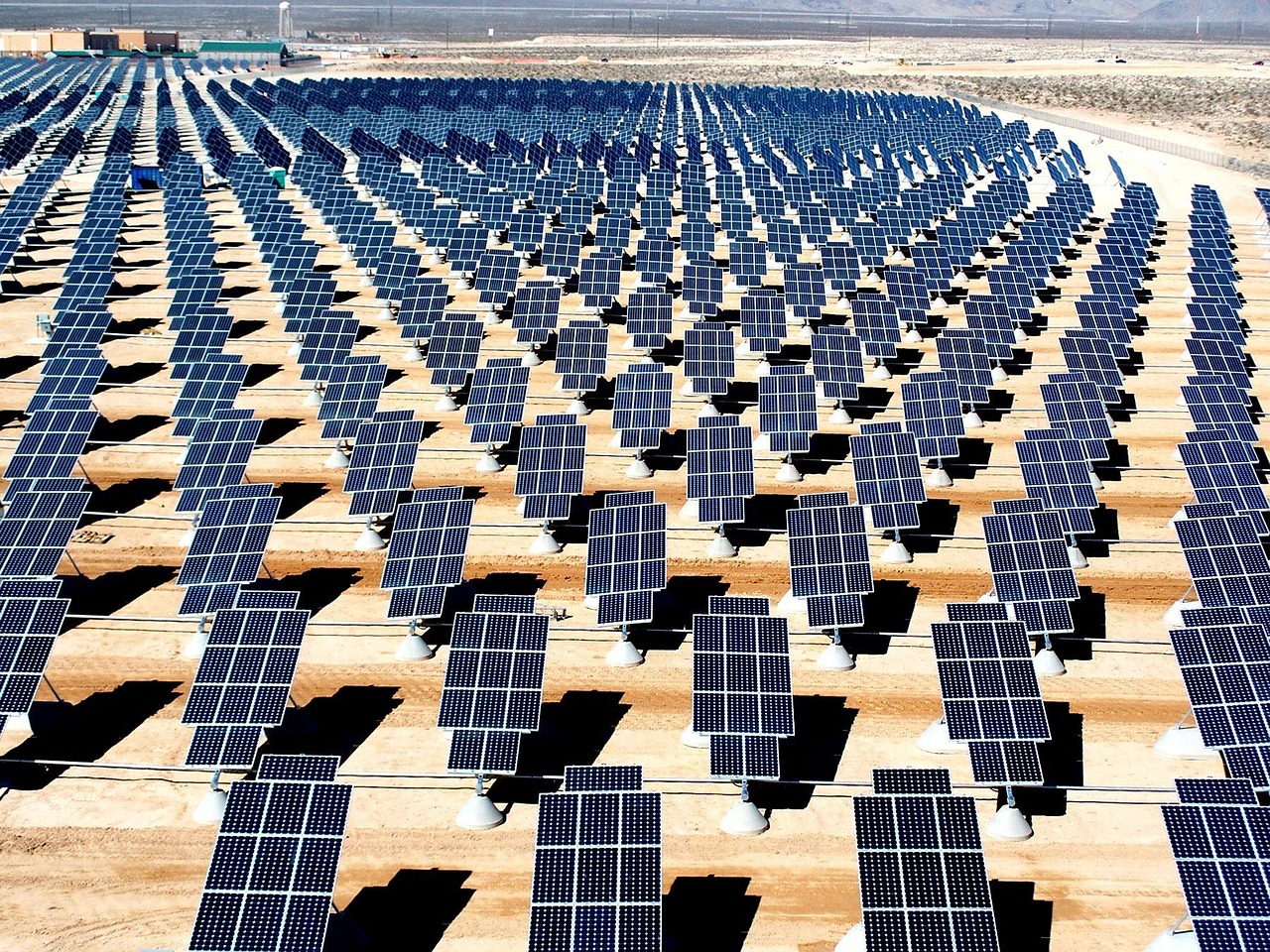
Many astronomers suggest that a more eco-friendly and practical solution already exists: simply adding more solar panels to our roofs and using large batteries to store the power collected during the day for use at night.
This technology opens up a brand-new frontier in space use, making it hard for the government to regulate. As we move forward, we must decide if the benefit of extra solar energy is worth the lasting effects these mirrors might have on astronomy, wildlife, and our own need for a good night's sleep.
Sources: Smithsonian, Earth.com, Space.com