
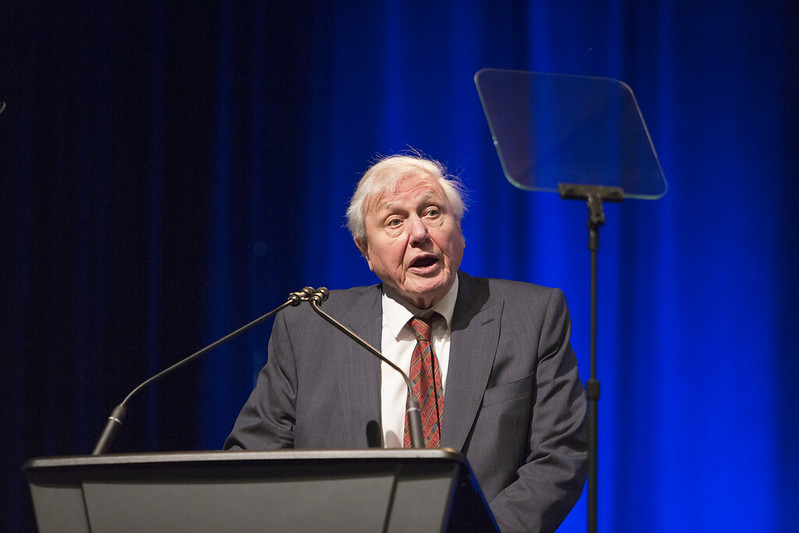
For most people, their 100th birthday is a cause for cake, candles, and perhaps some emotional speeches from close family members.
Sir David Attenborough was no exception; however, his celebration on May 8 had a flood of love and appreciation from fans across the world.
With one of the most recognizable voices on the planet, Attenborough did not become a global sensation in a day. He spent 70 years sharing his discoveries with others through television.
Early Years
Born in 1926, Attenborough spent most of his childhood in London in the halls of the University of Leicester, where his father worked as second principal.
In the late 1930s, he had discovered a fossil of a marine mollusk, a defining moment in his life so far. The adrenaline of being the first to lay eyes on the fossil led him to study geology and zoology at the University of Cambridge.
Attenborough was called to serve two years in the Royal Navy. On his return, he joined the BBC, helping to launch “Zoo Quest,” where he aided in the filming of several rare species, and later oversaw the sketch comedy show “Monty Python’s Flying Circus.” He left the BBC to pursue filmmaking of his own, full-time.
Nature Redefined
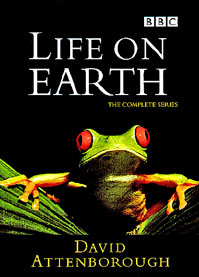

In 1979, Attenborough released “Life on Earth,” by traveling to different parts of the world and showing viewers animals in their natural habitats, all while bringing viewers face-to-face with creatures they may never see in person.
One reason people love Attenborough so much is for his storytelling. Each part of his production was well thought out, from the camera lens to the color film. The project took over three years to film, investigating more than 600 species from 40 countries. Its premiere on PBS in 1982 proved to be a smashing success with more than 500 million viewers worldwide.
He continued to release more documentaries, such as “The Living Planet” and “Life of Birds”
Concern For Planet
As he grew older, Attenborough began to notice the ways the Earth was changing around him. Not only were habitats disappearing, but also many species faced new dangers.
He was thoroughly convinced that humans were behind this change. In recent years, he has strongly spoken out against plastic pollution and environmental destruction, narrating the 2017 documentary “Blue Planet II” and the 2019 Netflix series “Our Planet” to spread awareness of the pressing matter.
Now 100 years old, he has been twice knighted and has earned countless honors. As a champion for the natural world, his legacy remains teaching people to love our planet and reminding them of their connection to nature.
Sources: NPR, NYTimes