
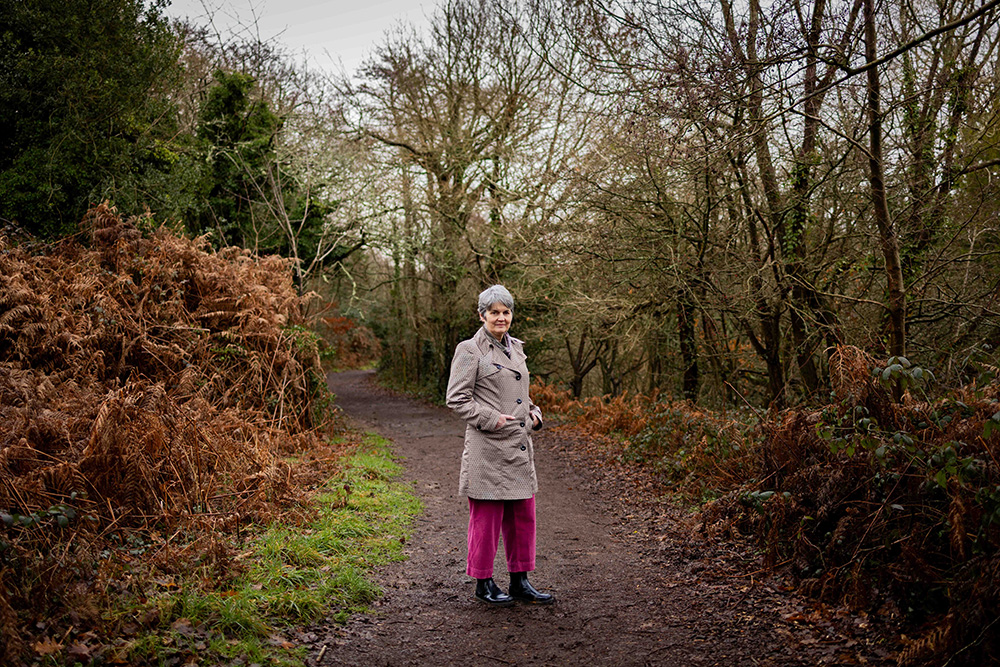
Often called the “Green Nobel Prize”, the Goldman Environmental Prize is an international award that recognizes grassroots environmentalists who take bold action to protect their communities and our world.
In 2026, a big moment in the environmental field made headlines around the world: for the first time in 40 years, all six Goldman Prize winners were women.
In this article, we feature Sarah Finch and Borim Kim, who worked to hold fossil fuel companies accountable for emissions that cause global warming.
Sarah Finch
The United Kingdom is one of Europe's largest producers of oil and gas, much of it extracted from the North Sea. In southeastern England, a region called the Weald contains significant oil deposits. Energy companies hoped to transform the area by developing thousands of oil wells.
Sarah Finch, an environmental activist from Surrey, became involved when she learned about plans to expand oil drilling near her home in Horse Hill. She worked with the Weald Action Group to oppose the project. While reviewing the company's environmental reports, Sarah discovered that they considered only emissions from drilling operations and transportation. The much larger amount of carbon dioxide that would be released when the extracted oil was eventually burned was simply ignored. These indirect emissions are known as scope 3 emissions.
After local officials approved the project, Sarah and her group challenged the decision in court. Despite several setbacks, they continued their legal battle all the way to the UK Supreme Court. In 2024, the court ruled in their favor, stating that fossil fuel companies must include the climate impacts of burning the extracted fuels. This ruling has influenced several other fossil fuel projects across the U.K.
Borim Kim
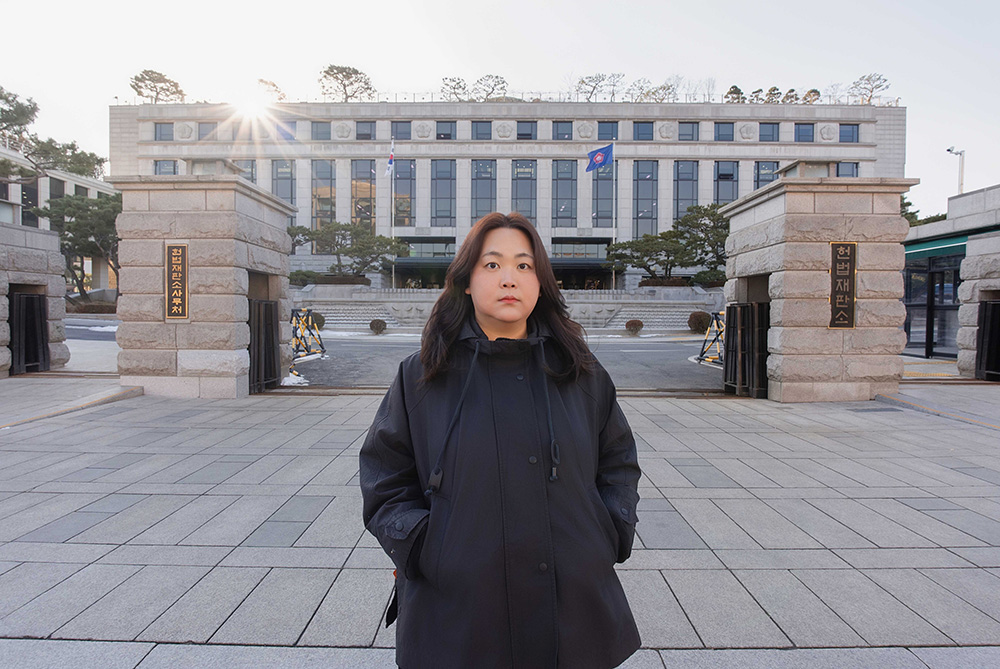
South Korea is one of the world's largest greenhouse gas emitters and imports fossil fuels (coal and natural gas) for most of its electricity. Although the country has pledged to reduce emissions, renewable energy still provides only a small share of its power. At the same time, South Korea is experiencing the effects of climate change, such as deadly heatwaves and severe flooding.
Borim Kim, a climate activist from Seoul, became deeply concerned about climate change after the record-breaking heatwave of 2018. She realized that climate disasters affect people differently, with vulnerable communities often facing the greatest risks. Borim founded Youth 4 Climate Action (Y4CA) to address the indifference she saw from authorities.
In 2020, Y4CA launched Asia’s first constitutional climate lawsuit, arguing that South Korea’s weak climate politics violated the rights of the future generation. After years of advocacy, public engagement, and legal action, the South Korean Constitutional Court ruled in 2024 that the government’s climate policy was unconstitutional and ordered stronger emissions targets. Borim's efforts have inspired youth climate movements across Asia.
Source: Read full-length articles about the Goldman Prize winners Sarah and Borim