
The Goldman Environmental Prize is presented annually to grassroots environmental activists representing the world's six inhabited continental regions.
The prize was created by philanthropists Richard and Rhoda Goldman in 1989. For the first time this year, all six winners are women.
In this article, we feature Alannah Acaq Hurley from the United States and Yuvelis Morales Blanco from Colombia, who led campaigns to protect fragile ecosystems from mining and drilling.
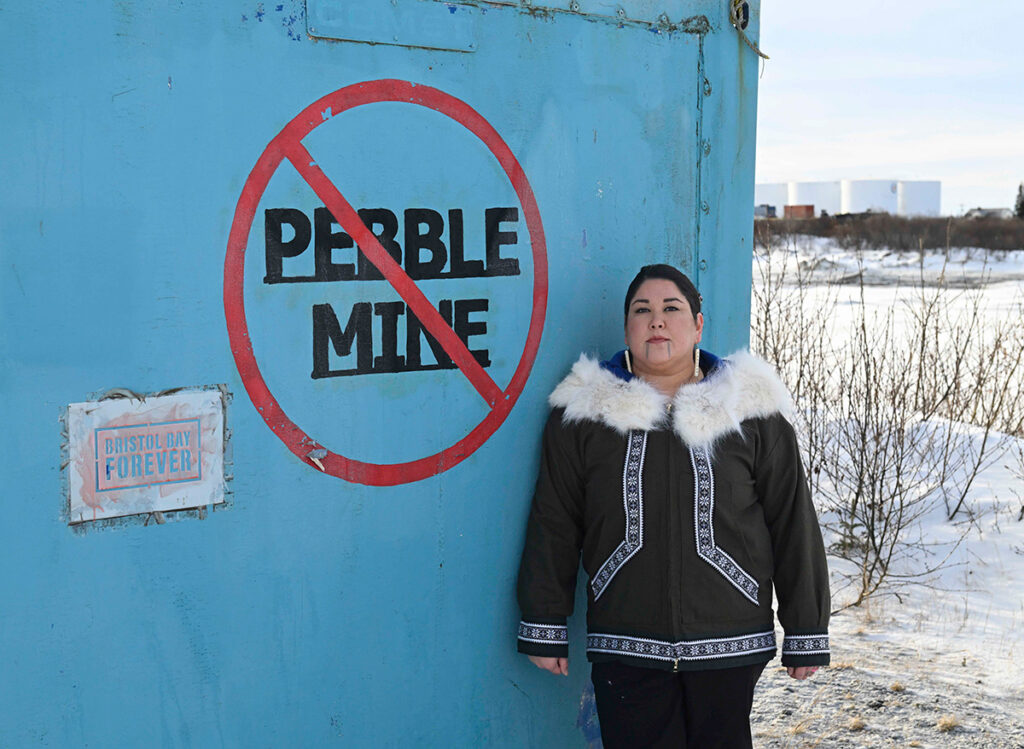
Alannah Acaq Hurley
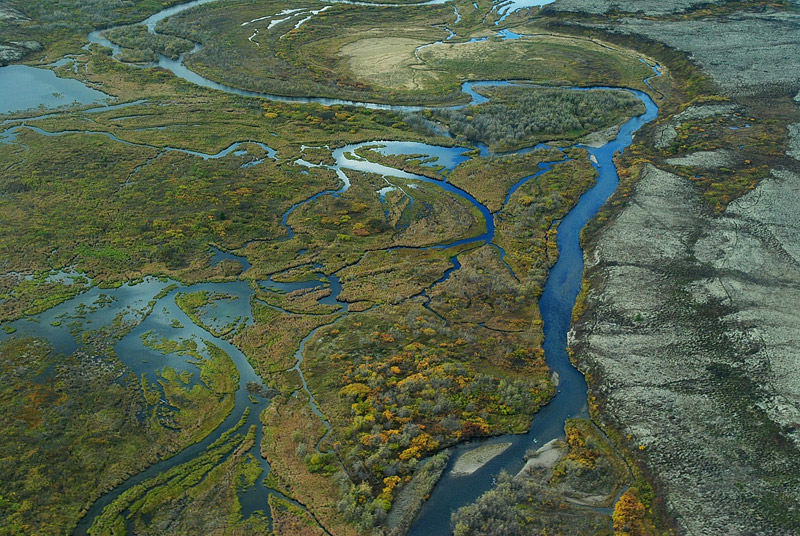
Bristol Bay, in southwestern Alaska, is home to pristine forests, rivers, and wetlands that support nearly 200 species of birds and many mammals. It is especially famous for having the largest sockeye salmon run in the world -- approximately 50 million salmon return each year to spawn in its waters!
Salmon play a critical role in maintaining the health of the ecosystem and are important to the culture and livelihoods of local indigenous communities. In addition, Bristol Bay supports a major fishing industry that produces about half of the world's wild sockeye salmon.
In the early 2000s, a Canadian mining company proposed a massive copper and gold mining project near the headwaters of Bristol Bay. If built, it would have been one of the largest open-pit mines in North America. Many people worried that the mine would pollute waterways with toxic waste, destroy habitats, and threaten the salmon population.
Alannah helped the local communities -- indigenous tribes, commercial fishers, and environmental groups -- organize to oppose the mining project. Despite significant setbacks and lawsuits filed by Northern Dynasty, the company that proposed the mine, she persisted. Finally, after a decade of advocacy and public outreach, the U.S. Environmental Protection Agency vetoed the project in 2023.
Yuvelis Morales Blanco
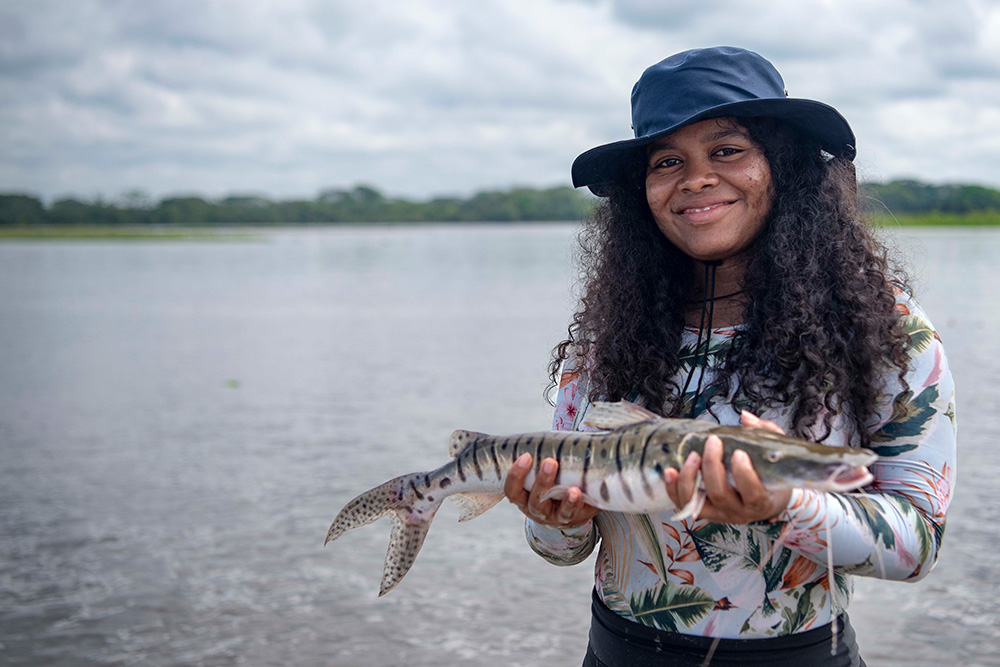
The Magdalena River, which flows nearly 1,000 miles across Colombia, is one of the country's most important waterways. It supports wildlife, provides food and jobs for fishing communities, and has played a major role in Colombia's culture and economy.
However, the region around the river, known as Magdalena Medio, is also a center of oil production. Yuvelis Morales Blanco grew up in Puerto Wilches, an Afro-Colombian community along the Magdalena River. She saw how oil spills were leading to declining fish populations, threatening the local community's reliance on fishing.
When plans emerged to test fracking—a method of extracting oil and gas that can contaminate water sources—Yuvelis joined the Colombia Free from Fracking Alliance. She organized assemblies and public campaigns against Ecopetrol, the country's biggest petroleum company. By uniting isolated villages into a single movement, Blanco built community influence and consent.
Her activism helped raise national awareness about the risks of fracking, with the Colombian government finally suspending the project. Despite facing severe threats and intimidation that forced her to temporarily relocate, she continues to fight for river protection and the communities that depend on it.
Sources: Full-length articles on Goldman Prize Winners Alannah and Yuvelis.