
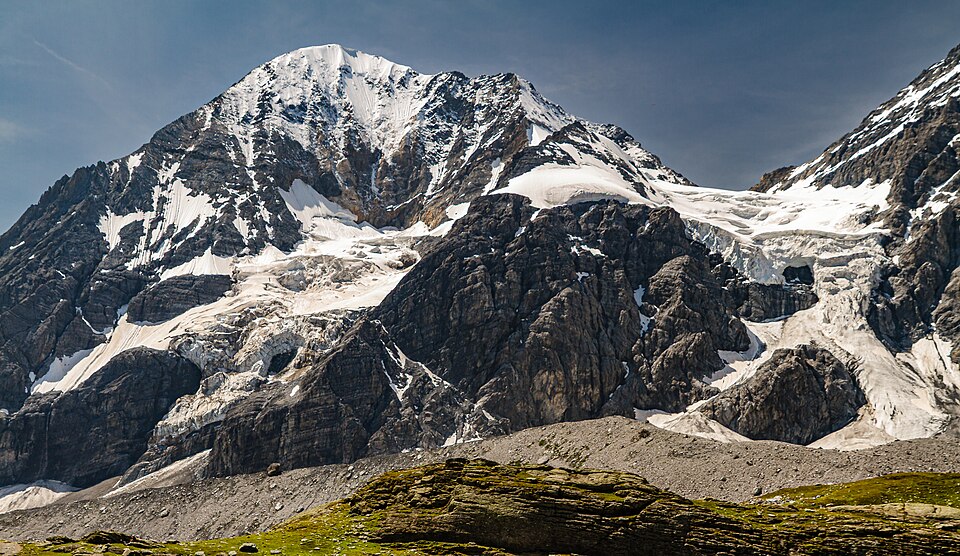

In the European Alps, long-lived glaciers are disappearing faster than scientists can study them.
As temperatures rise worldwide, these massive ice structures are melting at an alarming rate, and along with them, valuable records of Earth’s climate history are melting away into oblivion.
Let's look at why mountain glaciers are important and why their melting matters.
Glaciers As Time Capsules
Glaciers are formed over time as snow is deposited and compacted into ice. In Europe, many of these glaciers are currently melting at alarming rates due to increasing temperatures and decreased snowfall.
Some of these have already lost a significant portion of their original mass, and smaller ones may cease to exist within the next few decades or so. While this is a clear indication of climate change, the not-so-obvious issue is what is being lost within these glaciers.
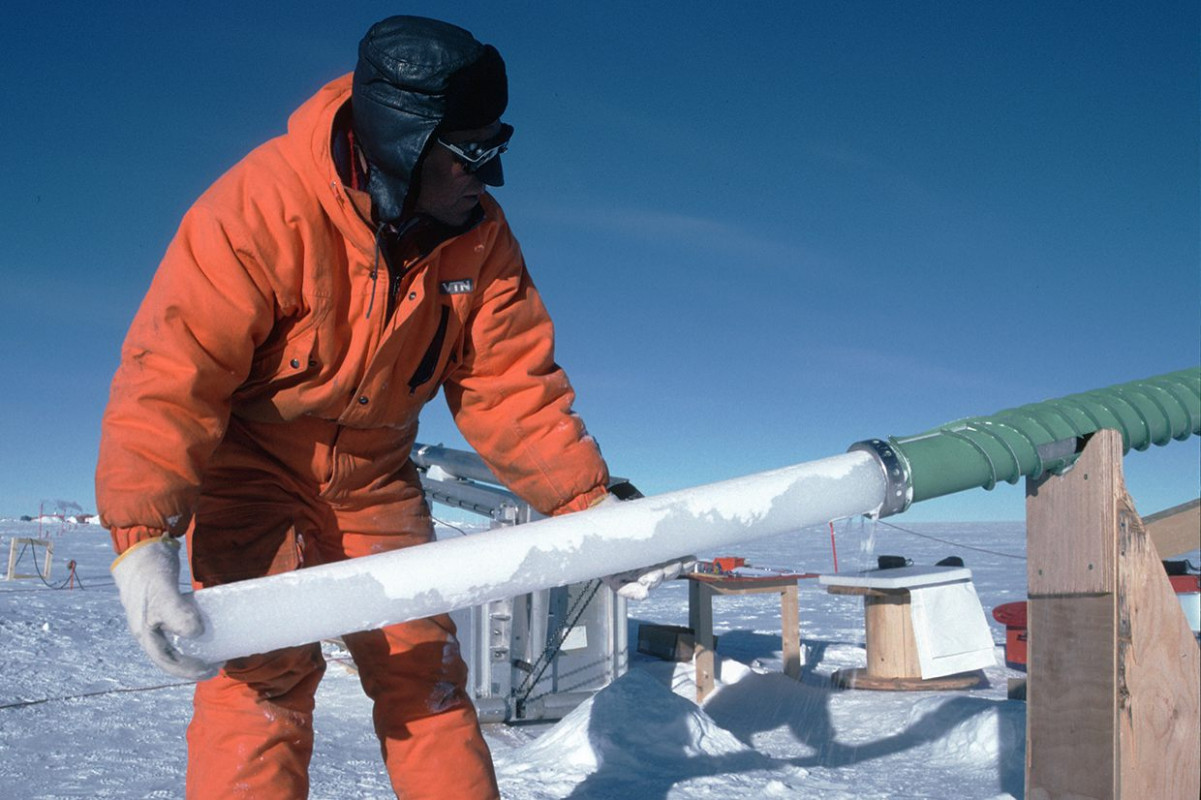
Scientists also research glaciers by obtaining ice cores, which are essentially cylinders of ice obtained from deep within a glacier. These ice cores are like time capsules. Every layer of ice contains small air bubbles that contain a sample of the old atmosphere.
By analyzing these bubbles of air, scientists are able to measure the level of greenhouse gases, pollution, and even the temperature of the atmosphere hundreds or even thousands of years ago. Ice cores may also contain dust and ash from volcanic eruptions.
Melting: Valuable Data Lost
The rate at which the glaciers are melting makes it hard for scientists to obtain the data, as they will soon be gone. Once the ice starts melting, the layers tend to be distorted, thus the data cannot be utilized. At the moment, scientists are working hard in extreme weather to obtain the data, sometimes keeping it in places such as Antarctica so it can be studied in the future.
The loss of these glaciers means more than just rising sea levels or changing landscapes. It also means losing the direct records of the history of the Earth’s climate. Without these records, scientists have fewer tools to determine the past climate patterns, so they cannot make accurate predictions about the future.
Ultimately, the melting glaciers in Europe aren’t just the result of global climate change; they are the warning. With the loss of the glaciers, we also lose the history we have come to rely on, and we cannot replace it.
Sources: EOS, Grist, NSIDC.org