
Un bajo récord del hielo marino del ártico

¿Sabías que el hielo marino del Ártico es responsable de reflejar casi el 80% de la luz solar de regreso al espacio?

Esto no solo enfría nuestra tierra, sino que el hielo marino también proporciona hábitats cruciales para varias especies de animales.

Por lo general, cada año, el hielo marino del Océano Ártico se derrite durante los meses de verano y alcanza su nivel más bajo en septiembre. A medida que las temperaturas descienden por debajo del punto de congelación a fines del otoño y en los inviernos, el hielo vuelve a crecer y el ciclo continúa.
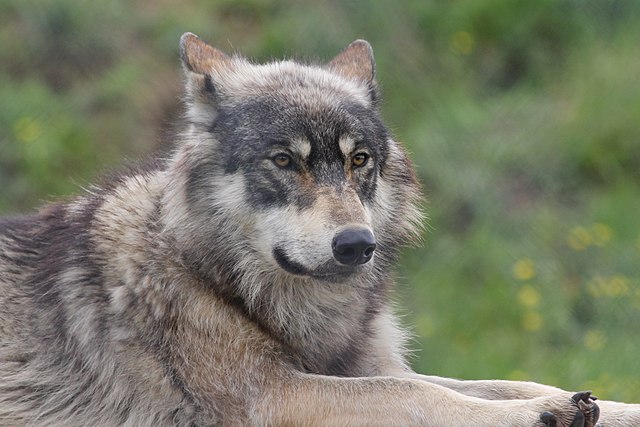
¡Buenas noticias! Un regreso para los lobos grises

Closeup of American Gray Wolf"¡Qué boca tan grande tienes!" 

“Exclama Caperucita Roja en el famoso cuento de hadas, antes de ser devorada por el gran lobo feroz disfrazado de abuela. Afortunadamente para Caperucita, ella y su verdadera abuela sobrevivieron, mientras que, como bien sabemos, el lobo malvado se encontró con su desaparición.

How Octopus Taste With Their Tentacles

Imagine touching something with your hands and being able to taste it. That’d be crazy, right?! 

Though it has long been known that octopuses can taste using their tentacles, Nick Bellono, an Assistant professor of Molecular and Cellular Biology and his team of scientists have recently discovered more about this phenomenon.

Tags

Are Typhoons Getting Stronger?

Can disaster strike twice? That, unfortunately, seems to be the case for the Philippines in Asia and the Central American country of Guatemala.

With wind speeds of over 195 mph, Super Typhoon Goni became the strongest storm to ever hit land in the Philippines. Now, less than two weeks later, Typhoon Vamco has hit the northern part of the country, cutting off power to millions of people and stranding many on their rooftops.

Good News! A Comeback For Gray Wolves

What a big mouth you have!” exclaims Little Red Riding Hood in the famous fairytale, before getting devoured by the big, bad wolf disguised as her grandmother. Luckily for Riding Hood, she and her real granny survived, while, as we well know, the evil wolf met his demise.

However unlikely this tale may be in real life, things have been looking up for this villain’s American relative—the gray wolf (Canis lupus). 

As of October, President Donald Trump’s administration announced that the gray wolf would be removed from the U.S. Endangered Species List.

Why Is Arctic Sea Ice Disappearing?

Did you know, the Arctic sea ice is responsible for reflecting nearly 80% of sunlight back into space?

Not only does this make our earth cooler but the sea ice also provides crucial habitats for various species of animals.

Usually, each year, sea ice across the Arctic Ocean melts during the summer months and reaches its lowest in September. As temperatures drop below freezing in late fall and winters, the ice grows again - and the cycle continues.

Weather And COVID-19: An Unusual Connection

COVID-19 has changed our lives in so many ways, including how we study, work, shop, vote, and interact with others. 

But did you know that COVID-19 also disrupts weather forecasting?

The pandemic has drastically reduced air travel. The number of passenger flights has dropped by 50% from pre-pandemic levels. Aircraft are equipped with sensors that provide valuable weather data. After satellite observations, data collected by airplanes is the most accurate. This plunge in flights has resulted in 75-80% of the data being lost. 

The Aftermath Of Wildfires

Did you know that the smoke from the wildfires in the U.S West reached as far as the Netherlands in Europe?

Wildfires have wreaked havoc in the western U.S states of California, Oregon, and Washington. They have created devastating sights of burnt forests and homes and led to hazardous air quality.

In California alone, wildfires have burned over 4 million acres of land this year. And climate change is causing wildfires to increase in frequency and intensity.

The Mystery Of The Dead Elephants

Since May, nearly 350 elephants have died in the southern African country of Botswana.

The mysterious death had baffled scientists and government officials alike. And after detailed research, the case has finally been solved.

The culprit is none other than tiny microorganisms living in the water known as cyanobacteria. Let’s look at how this discovery came to be. 

The Baffling Mystery

Botswana has around 130,000 elephants, making it the largest elephant population in the entire world.