
Did you know that diving bell spiders can stay afloat underwater for extended periods of time? The fine hairs on their skin trap air bubbles, allowing them to stay buoyant.
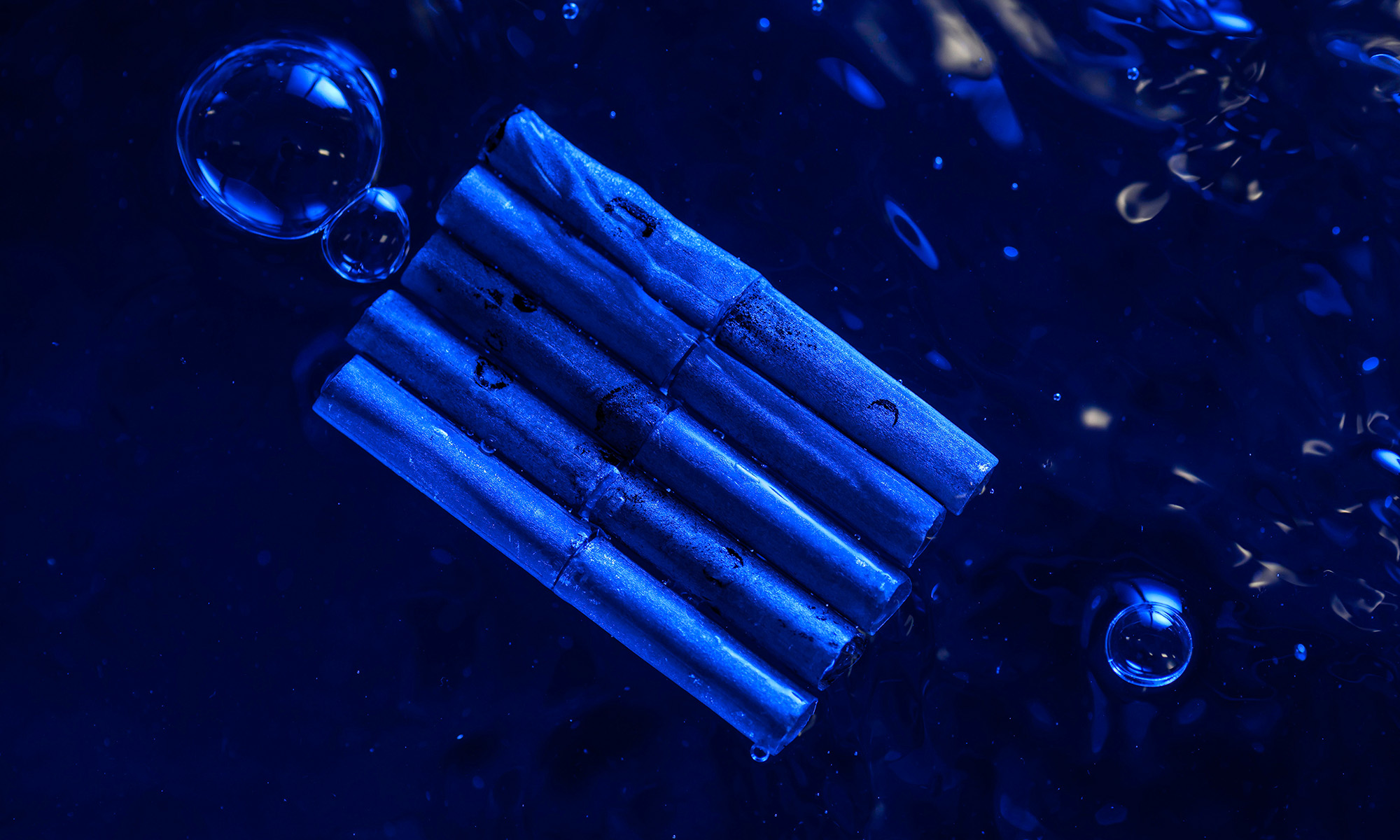
Scientists at the University of Rochester, New York, have developed the first-ever unsinkable tubes, inspired by these spiders. This practice of learning from and imitating nature's designs is known as biomimicry.
The tubes can float in the harshest of ocean conditions, and may also have positive implications in energy conservation!
How Do These Tubes Work?
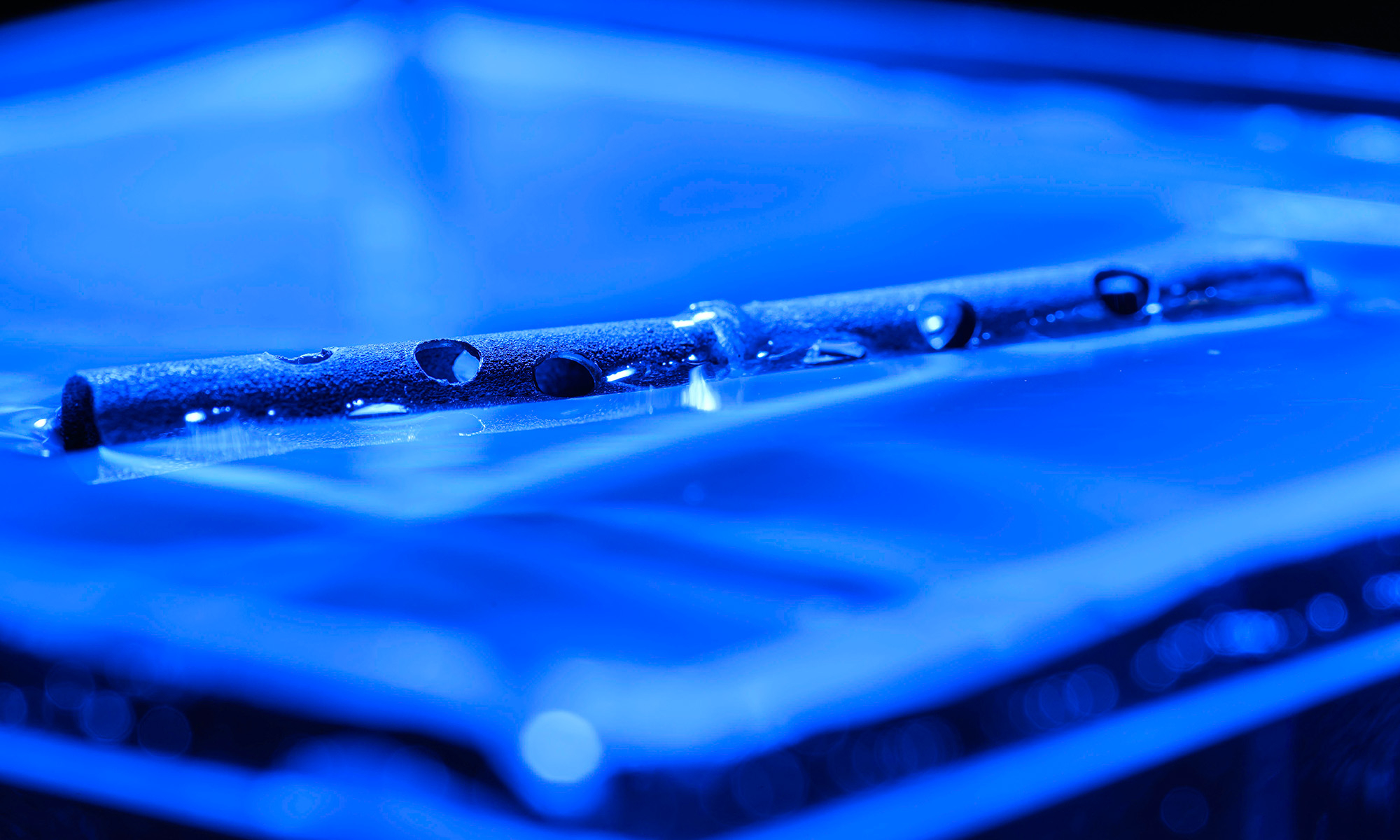
Prof. Chunlei Guo and his team used lasers to carve micro pits on the inner surface of the aluminum tubes. These pits capture air molecules -- just as spider hairs do -- and do not allow water to enter the tube. This property is known as superhydrophobicity and is similar to how water rolls off the surface of rain jackets. When immersed in water, the trapped air inside the tube repels water, allowing it to float effortlessly.
Although the mechanism looks fairly simple, the journey to this point wasn’t as straightforward. Dr. Guo and his team have been working on building an unsinkable flotation mechanism since 2019. Originally, instead of tubes, their design consisted of two superhydrophobic disks that were sealed together with an air gap between them.
However, this design wasn’t completely foolproof. When pushed into water at certain angles, the air between the disks was pushed out. To solve this problem, the researchers added a divider in the middle of the new tube design that would not allow water to pass through. The team has tested the new design in different scenarios, such as salty water, water with algae growing in it, and even tubes with holes drilled in them.
Implications for the Future
The simplicity and inexpensive process of making these tubes allows for flexibility and scalability, which translates into a variety of applications.
Primarily, these tubes can be used to build various floating platforms, such as rafts and ships that could survive unfortunate tragedies like the Titanic. Another exciting use of these tubes is in harvesting tidal energy. Rafts built from these tubes could be used to harvest energy from the wave motion of water. This could be used for generating off-grid power in many remote and offshore environments.
Although exciting, this technology is still fairly new and will continue to be developed and expanded upon. In the meantime, these unsinkable tubes can serve as reminders that even amidst climate challenges, we can count on nature to help us find solutions.
Sources: University of Rochester, NY Times, Scientific American, Optimist Daily