
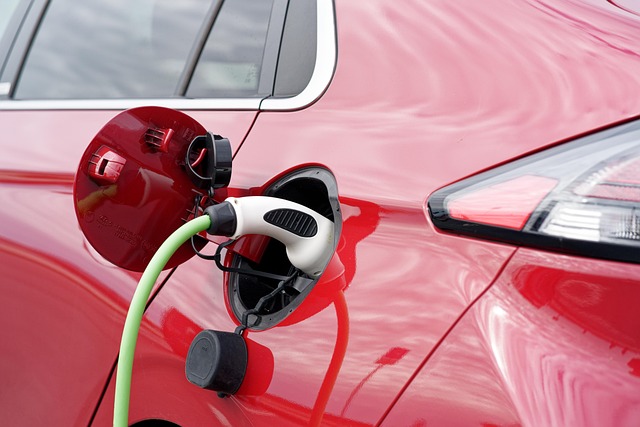
Electric vehicles are touted as being more environmentally friendly than gasoline-powered cars. However, there is still the fact that they have batteries that will eventually run out.
As more and more electric vehicles are put on the road each year, scientists and energy companies are faced with an interesting question: What do you do with an electric vehicle battery once it can no longer power an electric vehicle?
Instead of disposing of them, one solution is to advance the cause of clean energy. Let's find out how.
Issues With EV Batteries
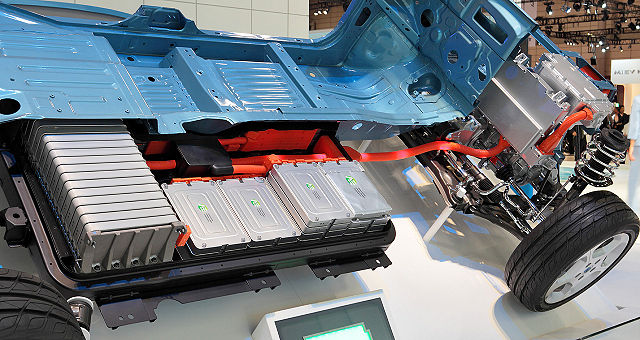

Most EV batteries use lithium-ion technology that is meant to be used for 8 to 10 years or 100,000 to 200,000 miles. This is because EV batteries deteriorate over time. There are several reasons for this.
For one, each time an EV battery is charged and discharged, there is a small chemical change inside the battery. After thousands of cycles of this kind of activity, the battery’s ability to store and provide power degrades.
Temperature is another factor. Too much heat may hasten a chemical degradation of the battery. Quick charging, though convenient, may hasten degradation as well. Even under perfect circumstances, there is a slow degradation of the internal parts of lithium-ion batteries.
For car drivers, this means that a battery that may have been able to power a car hundreds of miles may no longer be able to provide a reliable range. At this stage, it is usually replaced. It is not to say that it has no use anymore. It still has more than half of its ability to store electricity!
Application In Energy Storage
One of the most promising applications of retired EV batteries is in clean energy storage.
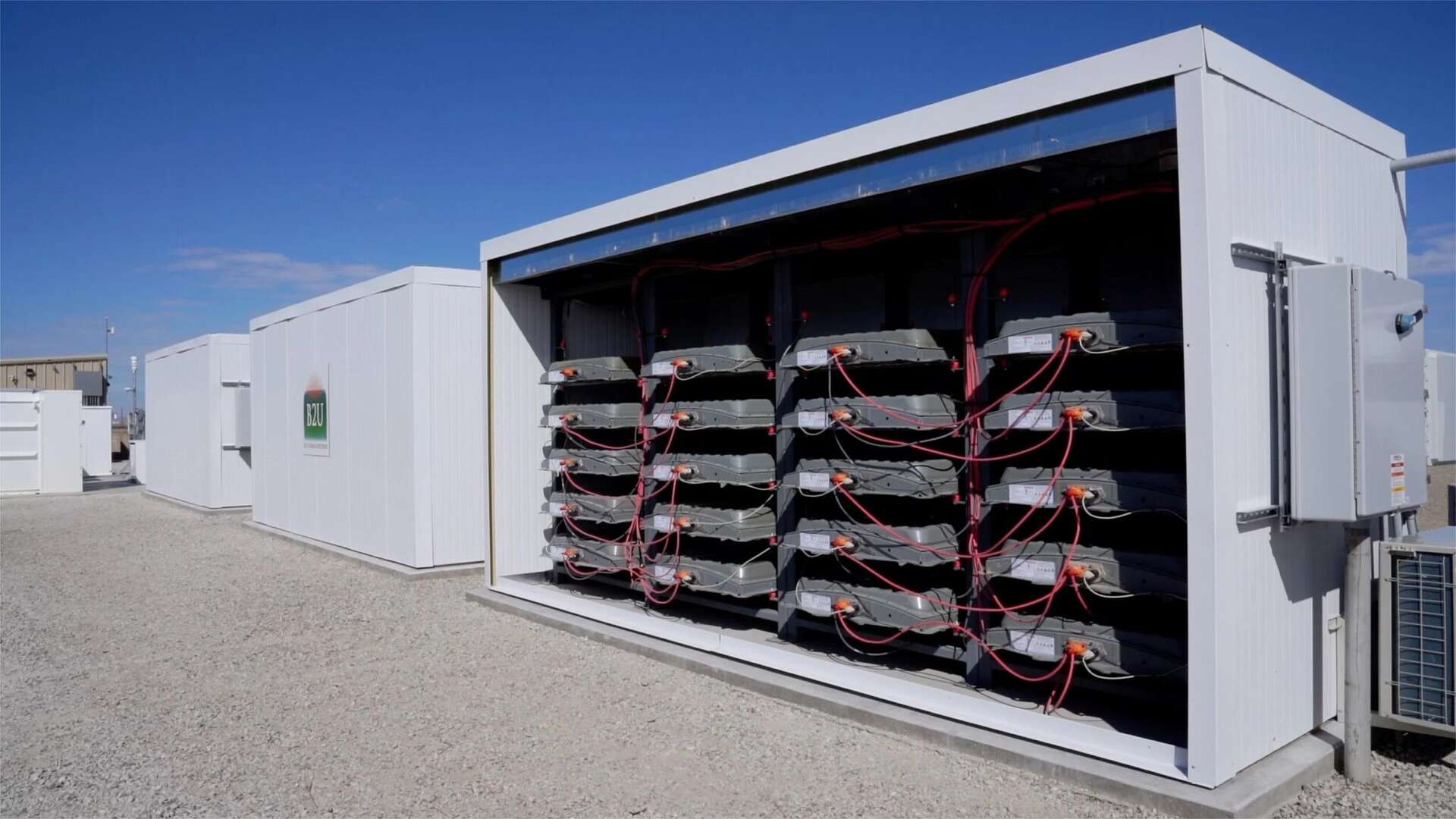
Solar and wind power are not continuous sources of energy. Batteries may be used to store the excess power generated during sunny or windy conditions, and released later when there is high demand -- such as hot summer evenings when everyone is using air conditioners.
In Texas, for instance, B2U Storage Solutions has utilized around 500 retired EV batteries to create a storage facility that can deliver electrical power to the grid. Redwood Materials, another company, is considering second-life batteries for powering a microgrid located in Nevada, which will be used to power an artificial intelligence data center.
Since energy systems tend to charge and discharge more slowly than those used in electric vehicles, the batteries will be able to operate for many more years. Eventually, these battery packs will still need to be recycled to recover valuable metals such as lithium, cobalt, and nickel.
In a world running on electricity, giving EV battery packs a second life can help minimize waste and build a more sustainable energy system.
Sources: Inside Climate News, Inside EV, Texas Tribune