
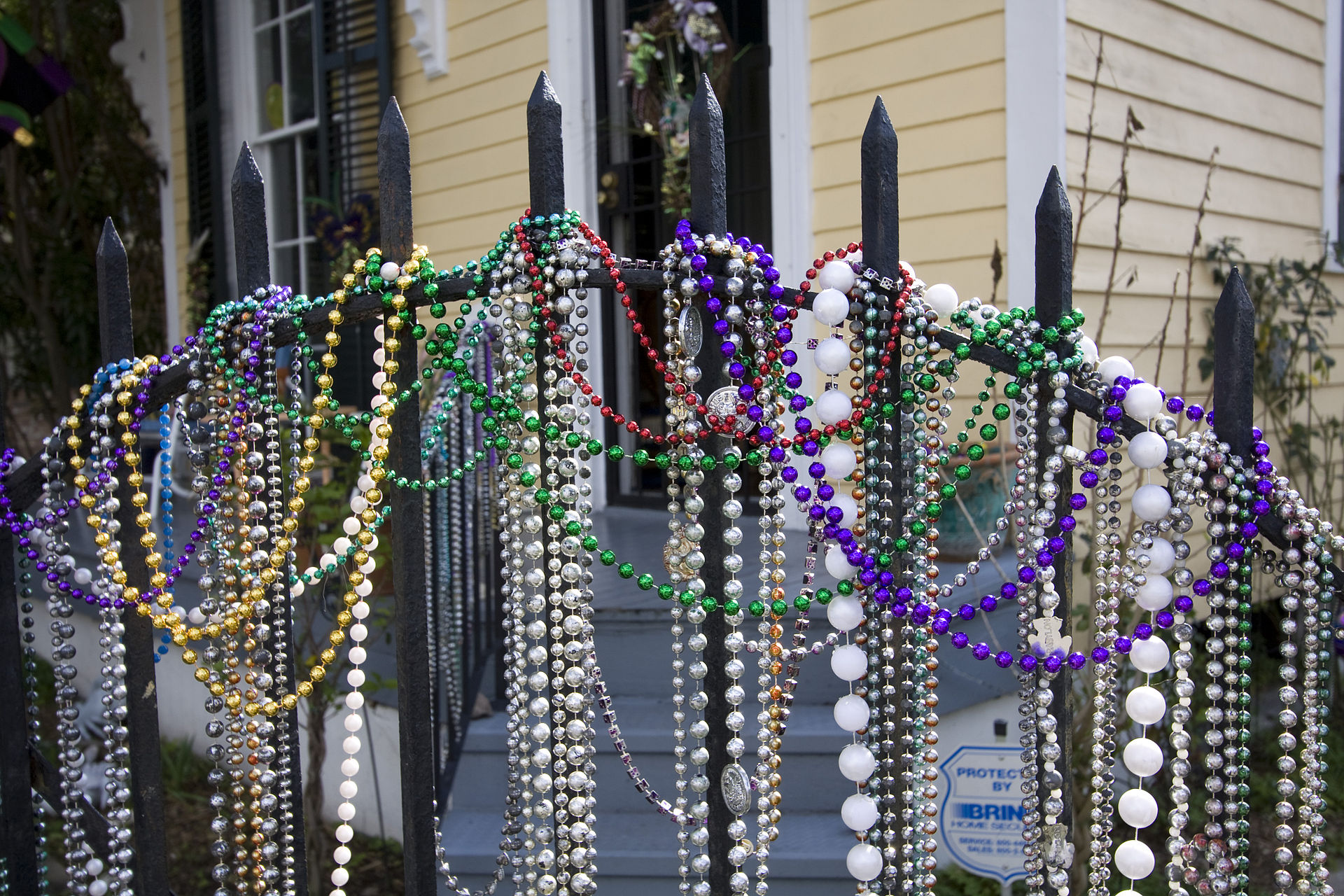

Did you know that Mardi Gras produces more than a thousand tons of trash each year? That’s the weight of 5 blue whales!
For decades, the bright purple, green, and gold beads were always signs of good luck and prosperity. Now, these same beads have become an environmental nightmare.
Mardi Gras, or Fat Tuesday, is celebrated annually in New Orleans with extravagant parades. Essentially, it's a huge party that brings $900 million in revenue to New Orleans, around 4% of its annual revenue.
However, this party leaves behind mountains of trash in the streets, which often ends up tangled in trees, buried in the dirt, or even washed through drains into water bodies, where it can harm marine life.
The Issue With Beads
The problem begins with the tradition of throwing beads. Around 25 million pounds of Mardi Gras beads are thrown away each year.
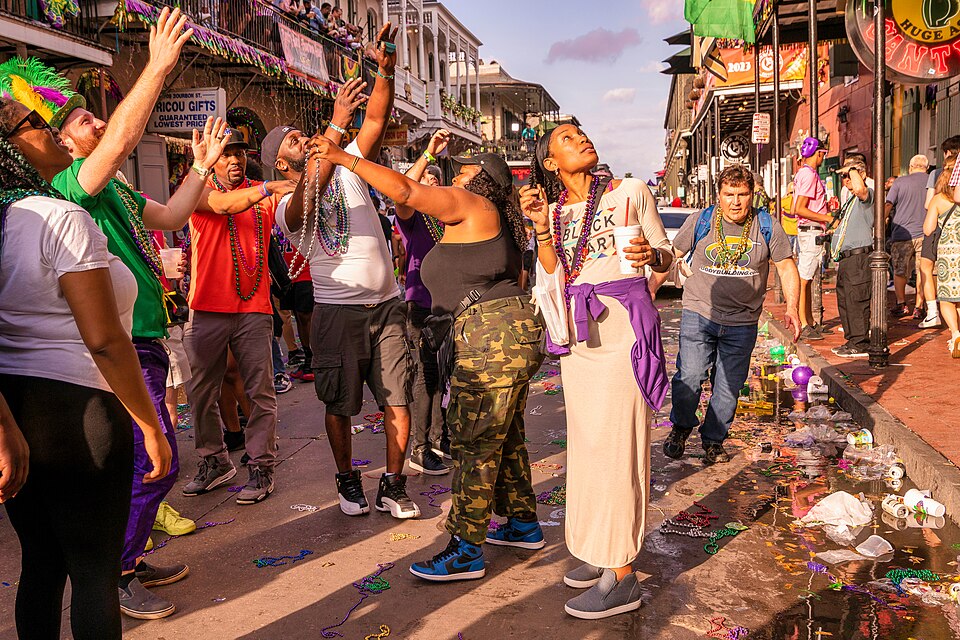

For years, “krewes” (the groups that run the parades) have thrown inexpensive plastic necklaces in masses to crowds. These beads are made of petroleum-based plastic that never really disappears. Because the beads are so cheap, people throw millions of them. In the past, catching a bead was a sign of good luck. But now there are so many that people duck to avoid getting hit by the plastic.
The consequences are both expensive and dangerous. In 2014 alone, the New Orleans government spent 1.5 million dollars to clear 1500 tons of waste from city streets. Much of this waste was just beads. When it rains, beads clog the city’s catch basins.
In 2018, cleaning crews pulled 46 tons of beads out of just a few blocks of storm drains after heavy flooding. When the drains stay clogged, the city floods more easily. Even worse, the plastic can leak into water bodies, where it can harm marine life or the ecosystem with harmful chemicals and microplastics.
Innovative Ideas
Thankfully, researchers are now fighting back with smart alternatives. In 2025, the Krewe of Freret became the first to completely ban plastic beads. Instead, they threw sustainable items like branded baseball hats, which people actually keep and wear.
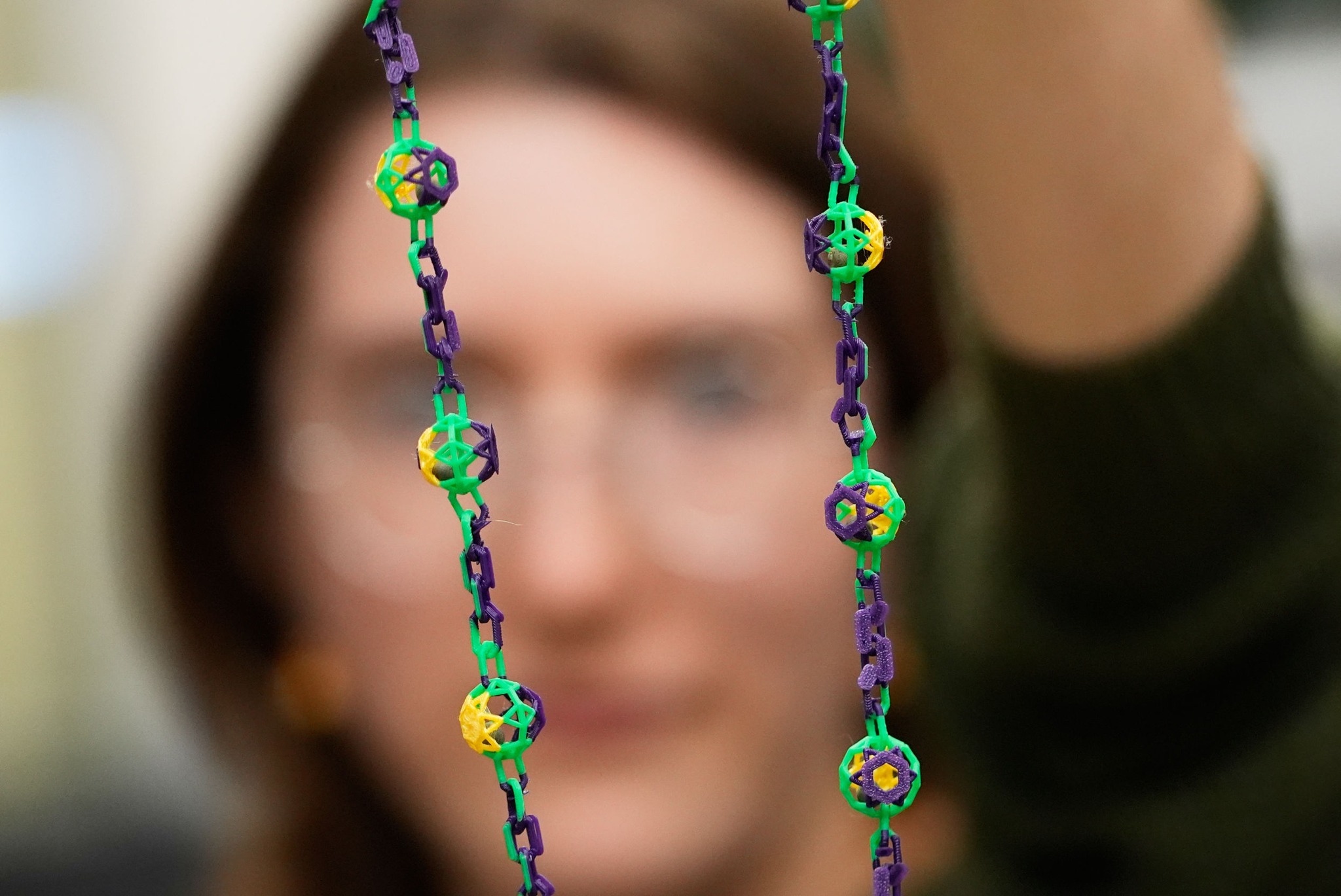
Scientists at Louisiana State University are also getting creative. They created PlantMe beads, which are 3-d printed from cornstarch and polylactic acid (plant-based plastic) and filled with okra seeds. When you are done with the parade, you can plant these beads and help the environment! The okra seeds help it decompose quickly.
Another scientist, Qinglin Wu, created beads from a sugarcane byproduct called bagasse. Other krewes are now throwing useful items like bags of jambalaya spices and “seed beads,” which are biodegradable party favours.
These solutions prove that New Orleans can keep its famous spirit alive without burying the city in plastic. By swapping plastic for plants, Mardi Gras can stay a party for the planet, too.
Sources: PBS, Time, Yahoo, Good News Network