
Since 2006, China has been the world’s largest emitter of greenhouse gases.
To reduce global warming and keep the temperature rise to within 1.5 °C- 2 °C, every country has pledged to reduce emissions. Initially, China was predicted to reach its peak in emissions in 2030 and decline thereafter.
However, recent research shows that China's emissions from oil and gas could potentially peak this year, and emissions from coal could peak in 2027.
How has China managed to accelerate its green transition? Let's find out.
China’s Journey To "Green"
China’s first landmark environmental protection act was signed in 1979, which marks the beginning of the country’s modern environmental legislation.
Initially, like all industrialized countries, China still relied heavily on coal and other fossil fuels. As the country began to develop its manufacturing capabilities and engage in trade with the rest of the world, the need to address pollution locally became increasingly important.


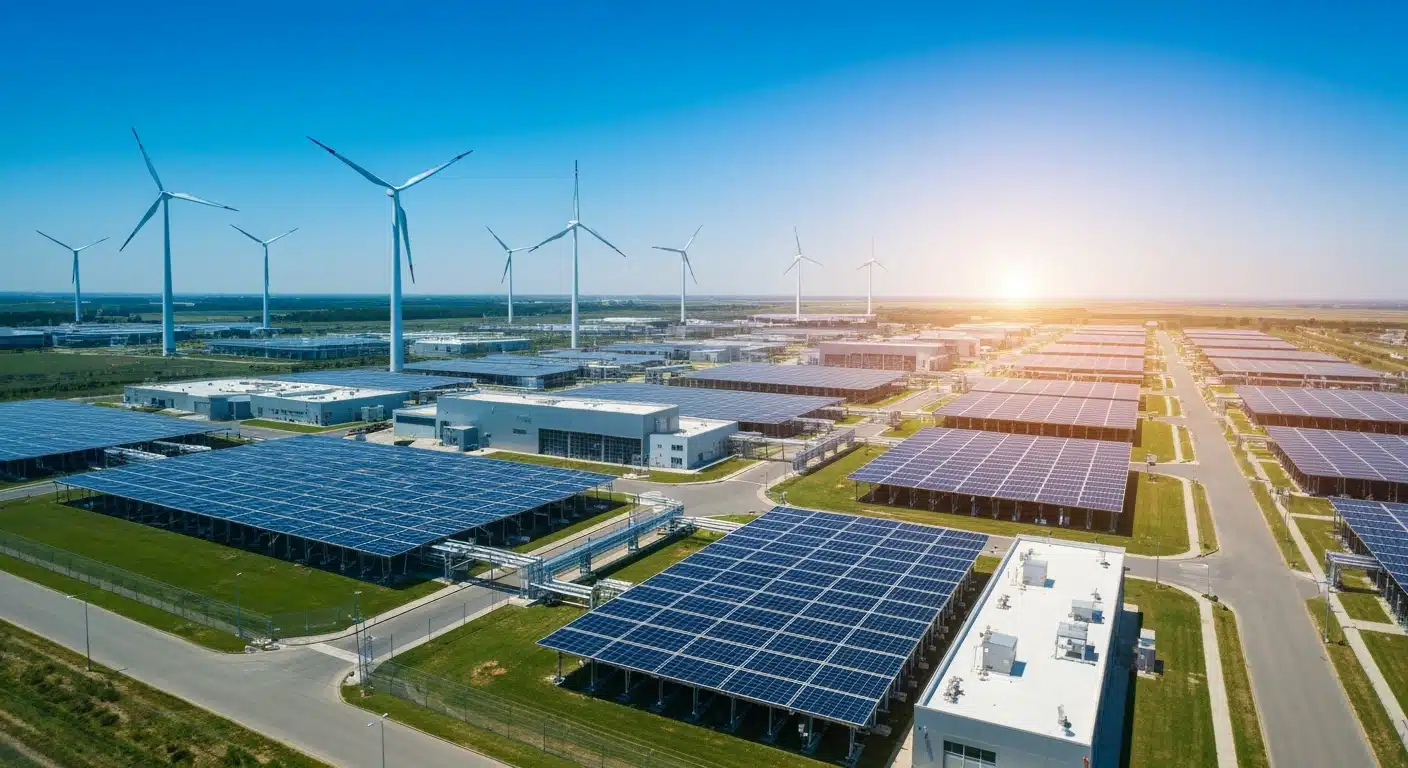
The government implemented regulations to encourage the adoption of green energy. Industrial policies were reframed to focus on research and development on alternative sources of energy, including wind and solar power. These green energies were priorities of the Five-Year Plans—a blueprint to guide national economic and social development.
With the support of government funding, Chinese companies such as BYD (Build Your Dreams) started building electric cars, while others manufactured solar panels and wind technology.
Additionally, the government spread awareness amongst the public and enforced punishment to make sure action was taken. Households and businesses received support to purchase environmentally friendlier products. The burning of coal at the household level was banned to decrease emissions.
Other actions include China’s project on planting trees around the Taklamakan Desert in Xinjiang. This project will turn one of the world’s driest deserts into a “carbon sink" that absorbs greenhouse gases.
The Role of Government Policies
Countries worldwide face the same problem as China, and effective solutions require collaboration between the government and private companies.
For example, a joint venture between the U.S and Japan for a hydrogen production plant in Oregon ended due to a lack of funding. In contrast, Saudi Arabia’s joint project with China for a green hydrogen plant continues, with commitment from both countries.
China faces challenges as well. President Trump's trade war with China has meant that the country has had to increase its production of ethane and ethylene, key materials for plastic. As a result, emissions from China's chemical industry rose 12 percent in 2025.
Government policies are vital to the success of green energy projects. Climate change is a global issue, and addressing it requires a global effort.
Sources: Live Science, Inside Climate News, ceibs.edu