
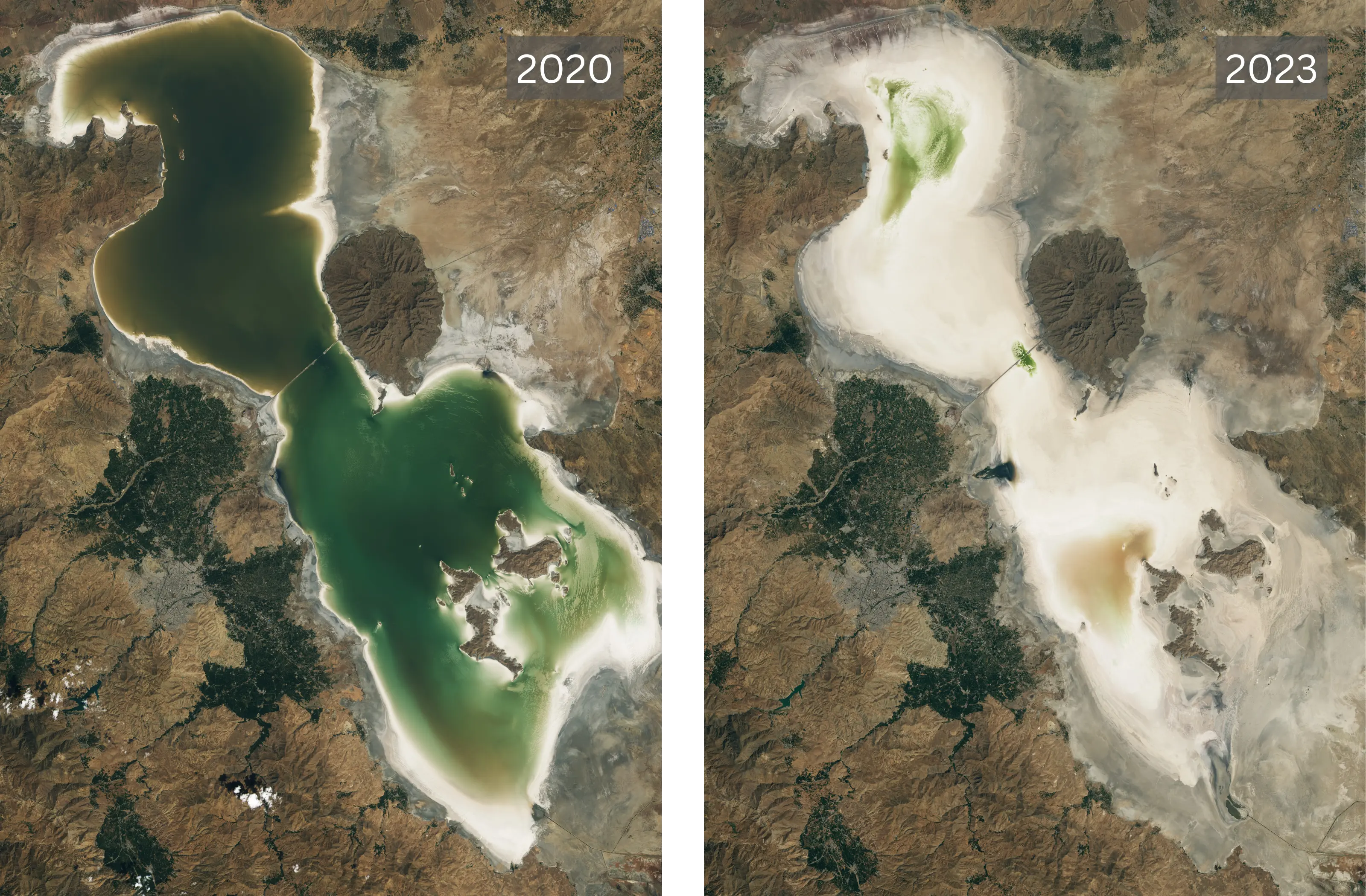
Iran is in the midst of a war, with the U.S and Israeli-led attacks on the country. However, there is another silent environmental crisis brewing in the country's capital.
In Tehran, the taps are starting to run dry at certain times of the year. Experts have stopped calling it a simple shortage and are calling it “water bankruptcy.” In addition to recent droughts linked to climate change, the real cause, according to the hydrologists, is decades of poor human water management.
Tehran may eventually need to relocate because the region can no longer provide enough water for its 10 million residents. “If it doesn’t rain in Tehran… we’ll have to evacuate Tehran,” President Masoud Pezeshkian of Iran said.
What Led To The Crisis?
Since 2008, scientists have been warning about how excessive groundwater pumping is draining Iran’s aquifer, but the red flags were ignored.
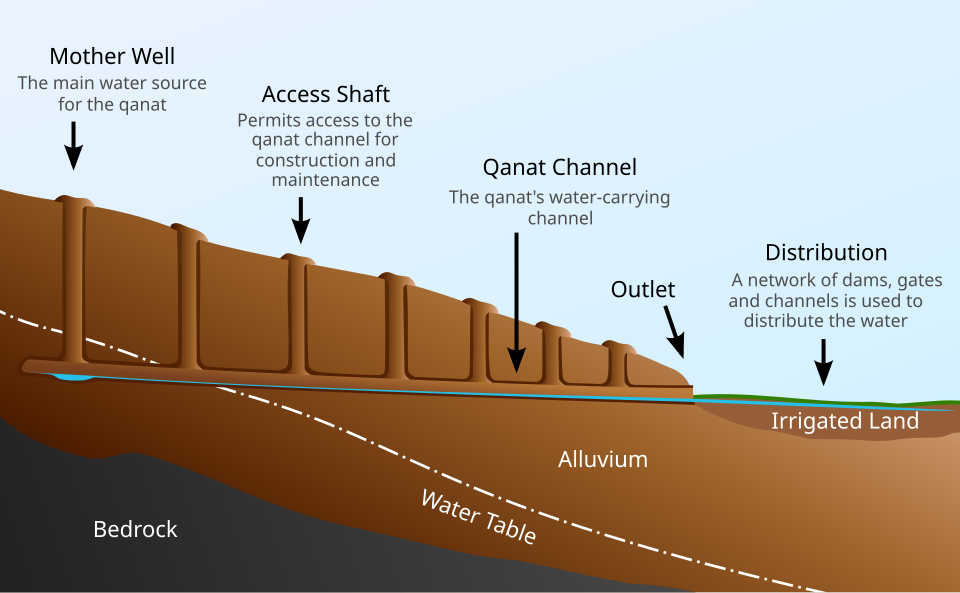

For over 2,500 years, ironically, Iran used ancient underground tunnels, called qanats. Qanats bring underground water to the surface without the need for pumping. This system was sustainable because it relied on gravity for water to flow. The modern projects, like reservoirs, increased evaporation and reduced water flowing downstream to feed wetlands.
The consequences are now hitting home. During the dry months, residents of Tehran experience “nightly pressure cuts” between midnight and 5 am. With Tehran’s own supply dropping about 12% capacity, several cities are now approaching “Day Zero.” It also has a way of making social inequality even worse. The wealthy can buy their way out of the thirst with private tankers and bottled water, while poorer communities are left staring at empty pipes.
The biggest drain on the entire system is agriculture. 90% of the country’s total water supply is used for water-intensive crop farming. This indicates that the crisis is driven by human decisions about how water is used and managed.
Possible Solutions
The Iranian government is considering relocating the capital city to the Makran coast, which would provide better access to water resources through desalination. However, experts say it may not solve the real problem due to the high cost of over $100 billion and the region’s harsh environment.
Many experts believe better water policies and management are necessary to solve the crisis. This means updating the policy by swapping out the thirsty crops for ones that actually fit the climate. What about restoring those legendary qanat systems to move water sustainably? Another solution is the use of floodwaters to recharge the underground aquifers.
While climate change has a role to play, the crisis in Iran was accelerated by human choices and the bad management of water resources. Ultimately, this serves as a wake-up call for all of us to stop treating water like an infinite resource and to respect the limit we have ignored for decades.
Sources: Scientific American, Yale360, Mother Jones